The Tamesis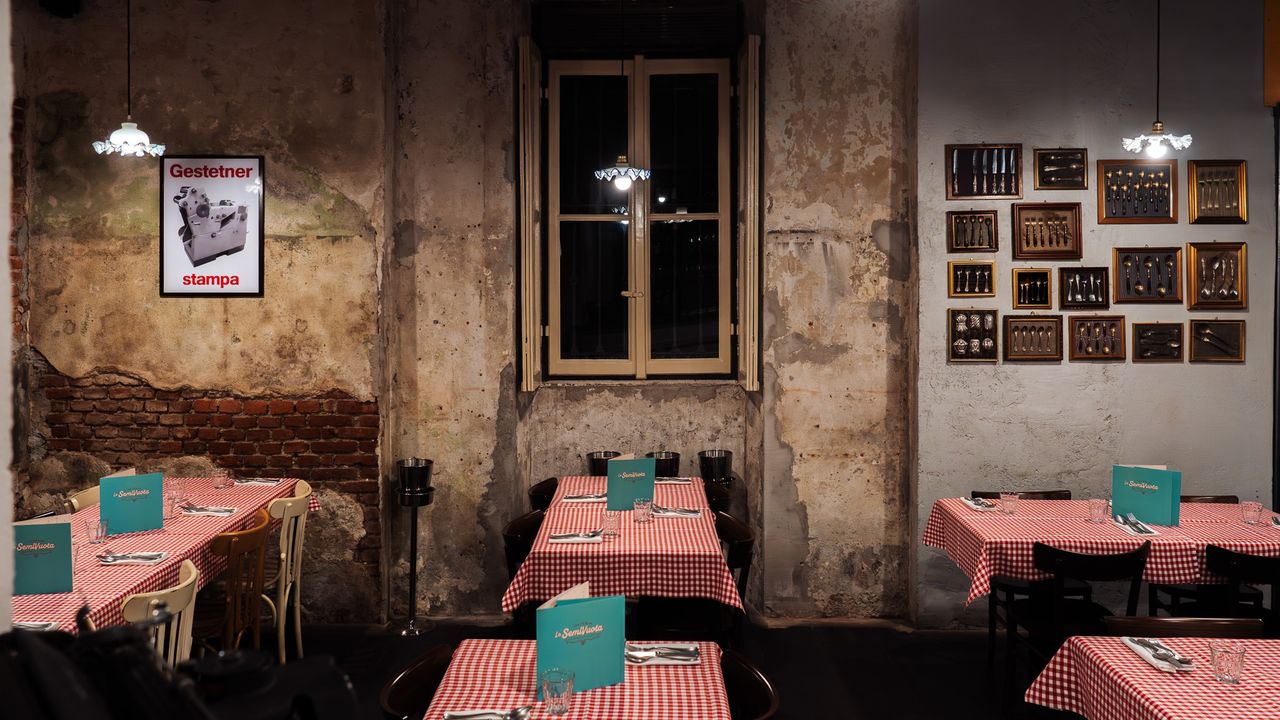
Acquabella is located in Porta Romana and has been part of Milan’s working-class history since 1950. Its original owners saw it as a place for workers to eat and drink and for regulars to play cards. The ambience of the restaurant is that of a traditional diner: terracotta floors, exposed brick walls, pastel-colored walls, solid wood tables and chairs, and light fixtures hanging from the ceiling. Mottoes in the local dialect of Milan and vintage photos complete the décor. The menu includes classic Milanese dishes: saffron risotto, braised veal knuckle, schnitzel Milanese with potatoes, neuronetti, tripe, casserole and mondegigli. Likewise, the wine list emphasizes Lombard producers. Generous portions and fair prices make it a favorite among office workers who come here for lunch and gourmets in the evening looking for Milan’s most authentic cuisine. You can expect friendly, family-style service in a warm environment.
Four generations of the Masuelli family have run this little restaurant since 1921, and it has become a Milan institution. Founded by grandfather Francesco and his wife Virginia, originally from Mascio in the Piedmont region of Italy, the hotel has been located at its current location in Viale Umbria since 1930. Inside, the 1930s Gio Ponti chandelier and Art Deco furniture transport you to another era. Dishes combine Lombard and Piedmont traditions: Solare (Milanese veal with saffron risotto) is a signature dish, and the menu also includes pasta and beans, agnolotti del plin with grilled sauce, fried veal brain, ossobuco and cutlet with ultra-crispy breading. The classic tiramisu with mascarpone cream is not to be missed. Massimiliano Masuelli, the third generation of the restaurant family, is in charge of the kitchen. The atmosphere is elegant without being too formal.
West and southwest of Milan (D’Angeli, Washington, Tortona, Navigli)
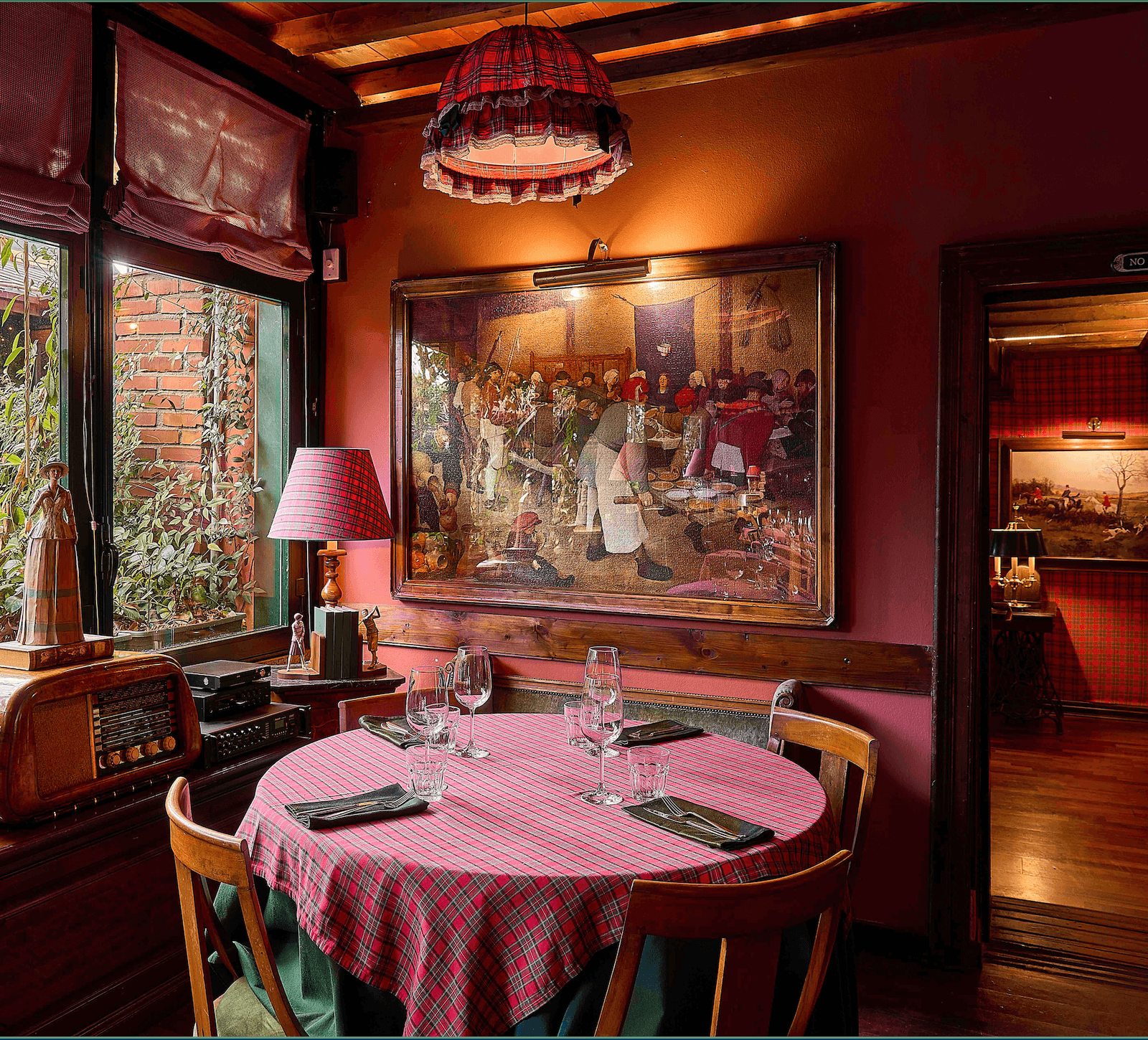
Photo: Courtesy of Al Garghet
In the Milanese countryside of the ancient Gratum Solium (now Gratosoglio), where the croaking of countless frogs was a constant backdrop, one of Milan’s most magical restaurants has been open since 1991. “Garghet” means “croak of the frog” in Milanese dialect, and even today in summer you can often hear the sound echoing in the large garden where dinner is served. The main building dates back to the 13th century and was originally a tavern with a dance hall. “I fell in love with this place at first sight.” More than 10 guest rooms and outdoor spaces feature tartan-style tablecloths, fabric lampshades, winter-lit fireplaces, hanging lamps and candles to create a cozy atmosphere. Executive Chef Luca Mauri is responsible for the typical Lombard cuisine, passed down from Cipolla’s childhood recipes: mondeghili, nerevertti, risotto giallo, ossobuco, rognone, cassoeula and rustin negàa (veal knuckles slow-cooked in wine broth). The most famous dish is schnitzel, of which there are two versions: Costoletta alla Milanese (veal cutlet, trimmed of fat, breaded and cooked in butter) and Cotoletta del Garghet Orecchia d’Elefante (“elephant ears”), which follows Cipolla’s mother’s recipe (pork loin beaten until very thin, a post-war preparation created to stretch small amounts of meat). Pastas, vegetable soups and desserts are all homemade using the best, freshest ingredients. Although primarily meat-based, vegetarian and gluten-free options are available. Reservations need to be made up to a year in advance, but it’s worth planning ahead to experience the fairytale atmosphere.
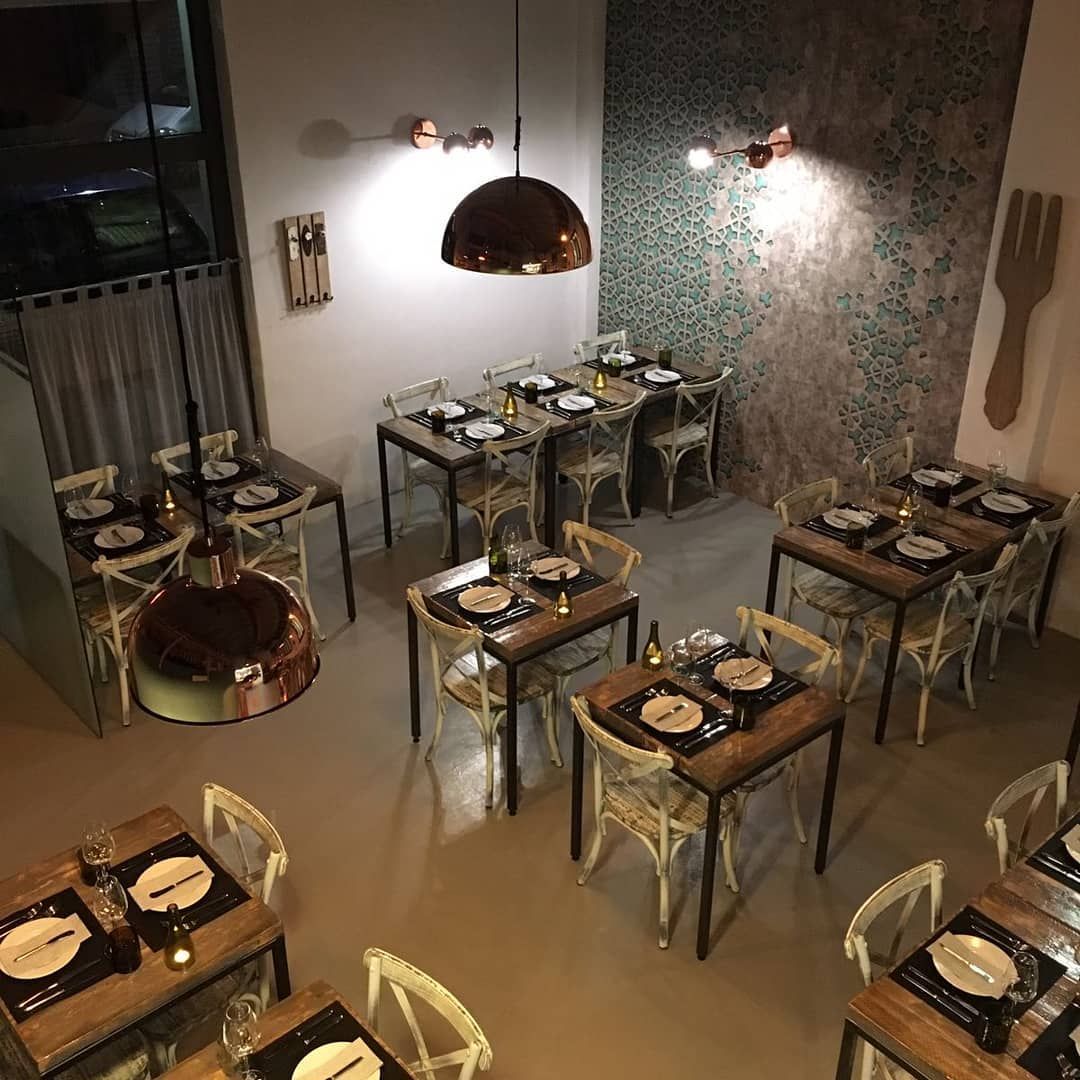
Photo: Courtesy of Osteria dei Malnat