The Tamesis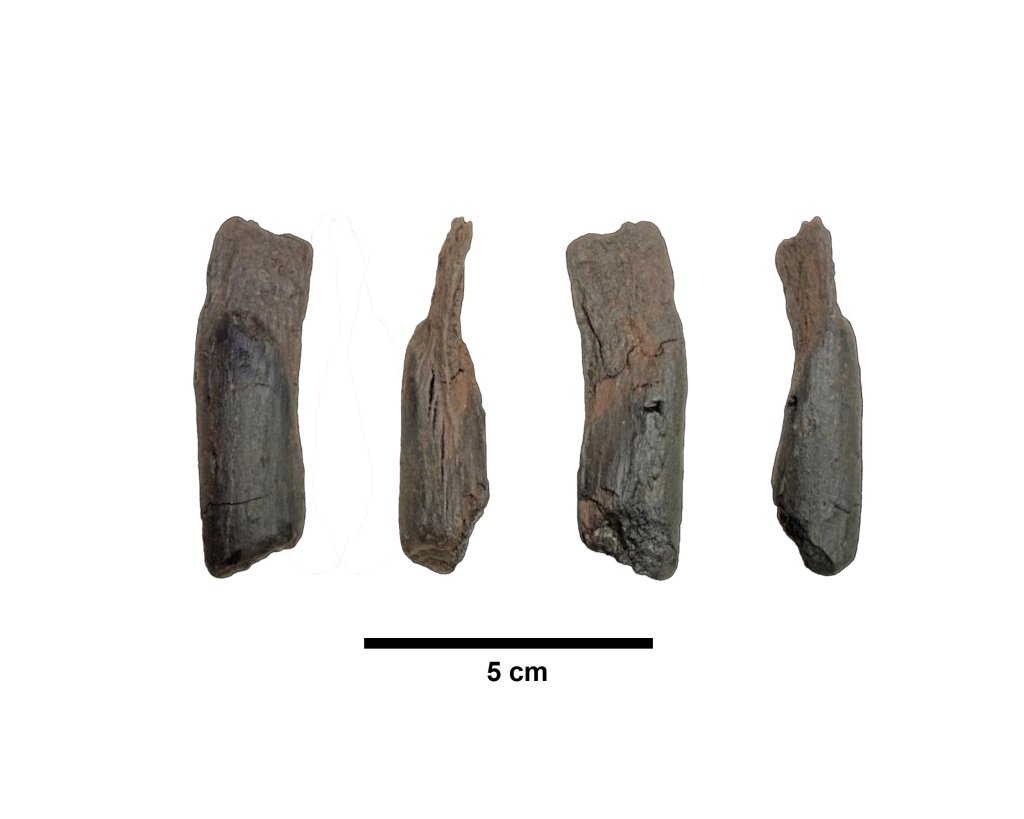
Two objects unearthed from an archaeological site in southern Greece are the oldest wooden tools ever discovered, according to a paper published Monday in the Proceedings of the National Academy of Sciences (PNAS).
The objects come from the Marathousa 1 site, which was once a lakeshore during the mid-Pleistocene. Other finds at the site, including stone tools and animal bones, date to 430,000 years ago, providing a possible date for the new discovery.
The artifacts include a 2.5-foot-long stick that may have been used for digging, and a hand-held piece of poplar or maple that may have been used to shape stone tools. They provide insights into little-known aspects of early human technology, study author Katerina Harvati, a paleoanthropologist at the University of Tübingen in Germany, said in an email to phys.org.
Related articles
Hominins of the mid-Pleistocene are thought to have used tools made from a variety of materials. However, evidence of wooden tools is difficult to find as wood is susceptible to decay unless kept in a poorly ventilated environment. Researchers believe the latest find may have been preserved today by being buried in the soil.
The tools were found along with dozens of wood fragments. All were examined under a microscope and via CT scans. “We found marks of cutting and carving on both objects, clear signs that humans shaped them,” lead author Annemieke Milks, an archaeologist at the University of Reading in the UK, told Science . new york times.
A third piece of wood found with other pieces of wood piqued the researchers’ interest. It shows signs of scratches from large carnivores, suggesting that ancient humans who lived at the site may have competed with predators, perhaps bears, for access to prey.