The Tamesis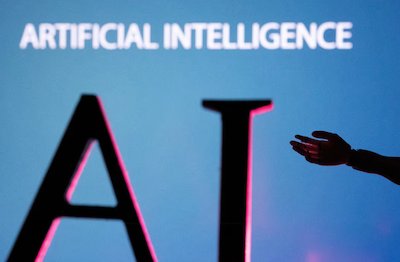
A report by American academics on artificial intelligence and machine learning has raised doubts about the benefits of artificial intelligence.
The report was published in Harvard Business Reviewsparking debate about whether signs of burnout come from people embracing artificial intelligence.
Researchers Aruna Ranganathan and Xingqi Maggie Ye of the University of California, Berkeley, said they conducted an eight-month study (“ongoing research”) to examine how generative AI could change work habits at a U.S. technology company with about 200 employees.
See also: Focus on economic growth is killing nature, 150 states warn
They found that employees were working at a faster pace but also taking on a wider range of tasks and stretching their workdays into more hours of the day, often without being asked to do so.
“The productivity surge enjoyed at first may lead to reduced work quality, turnover and other problems,” they said.
They worry that “increased workloads can in turn lead to cognitive fatigue, burnout, and diminished decision-making skills.”
They said companies “need to develop a set of norms and standards around the use of AI,” which they called “AI practices.”
After months of extensive interviews leading up to the end of last year, they discovered three main reasons for increased employee workload:
- It expands the number of tasks they can accomplish;
- It blurs the lines between work and non-work;
- It requires these employees to take on more multitasking.
While employees achieved greater productivity in the short term, they also experienced “increased workloads and increased cognitive stress as employees juggled multiple AI-powered workflows simultaneously.”
This means negative effects.
“For employees, the cumulative impact is fatigue, burnout, and a feeling that it’s increasingly difficult to disconnect from work, especially as organizational expectations for speed and responsiveness increase.”
Therefore, they suggest that employers need to consider how to help AI workers better manage their new workloads and responsibilities.
“Our findings suggest that AI can inadvertently make it easier for us to do more, but harder to stop.”
According to one report, others had similar reactions TechCrunchwhich cited comments posted on a tech industry forum hacker news:
It says: “I feel it. Since my team started adopting AI for everything they do, expectations have tripled, pressure has tripled, and actual productivity has only increased by about 10%.
“It feels like leadership is putting tremendous pressure on everyone to prove that their investment in AI is worth it, and we all feel pressured to try to show them it’s worth it but actually have to work longer hours to do that.”
So perhaps now people are starting to have a better understanding of the impacts (or shortcomings) of AI.
See also:
China and U.S. opt out of global commitment to military use of artificial intelligence
China plans to send artificial intelligence data centers into space in the next five years
Study finds artificial intelligence majors fail security tests, with Chinese companies worst performing
DeepSeek researchers are pessimistic about AI’s impact on humanity
DeepSeek shares user data with Chinese military, intelligence agencies: U.S.
Chinese researchers build artificial intelligence tool for military use from Meta’s model
U.S. test of artificial intelligence fighter worries China
OpenAI changes stance on military use of AI tools
The idea of artificial intelligence superintelligence is a ‘fantasy’ – US researchers
Senior analyst warns that artificial intelligence is ‘virtually useless’
When AI hallucinates in times of war