The Tamesis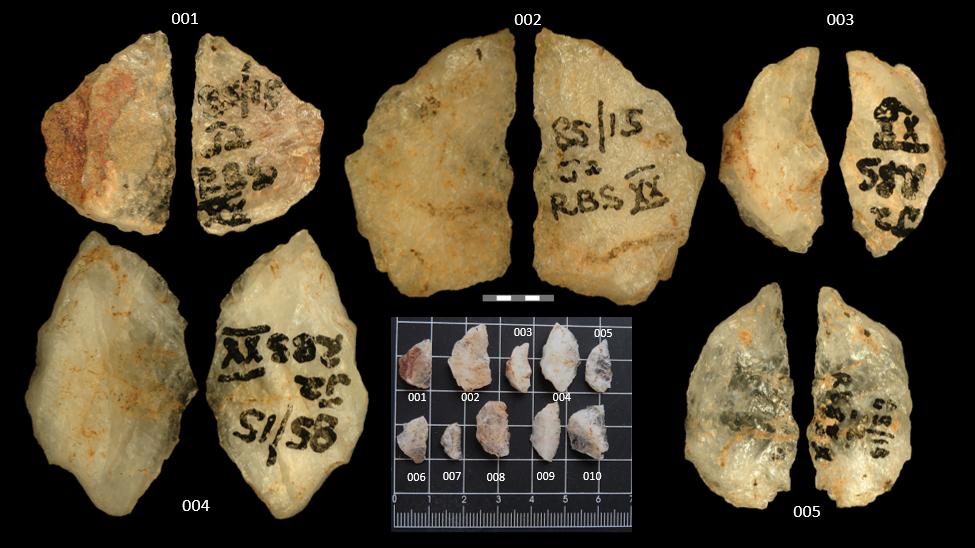
South African and Swedish researchers have discovered poisonous traces on 60,000-year-old arrowheads in South Africa. Stockholm University reported their findings in the journal scientific progressis the earliest direct evidence of the use of poisonous hunting weapons in the world so far. The oldest known poison arrowheads prior to this study date to approximately 6,700 years ago.
These quartz arrowheads were collected from Pleistocene sediments at Umhlatuzana Rock Shelter in KwaZulu-Natal, South Africa. By analyzing the chemical structure of the residue on the arrowheads, the researchers discovered a poison made from gifbol (Boophone disticha), a plant still used by traditional hunters in the area.
Related articles

“[The find] “This suggests that our southern African ancestors not only invented bows and arrows earlier than previously thought, but also understood how to exploit natural chemistry to increase hunting efficiency,” said study co-author Marlize Lombard, a researcher at the University of Johannesburg’s Institute of Palaeology.
Similar poison arrowheads were discovered in South Africa in the late 1700s, providing evidence of continuity in knowledge between prehistoric and historical periods. Furthermore, lead researcher Sven Isaksson, a professor of archeology at Stockholm University, said the plant poison used in the arrowheads was not immediately lethal, suggesting the cognitive abilities of ancient hunters were quite sophisticated.
“It takes a well-developed working memory to predict that if I put this arrow into this plant, it’s going to shorten the delay before I get to this piece of meat,” he told reporters new york times.