The Tamesis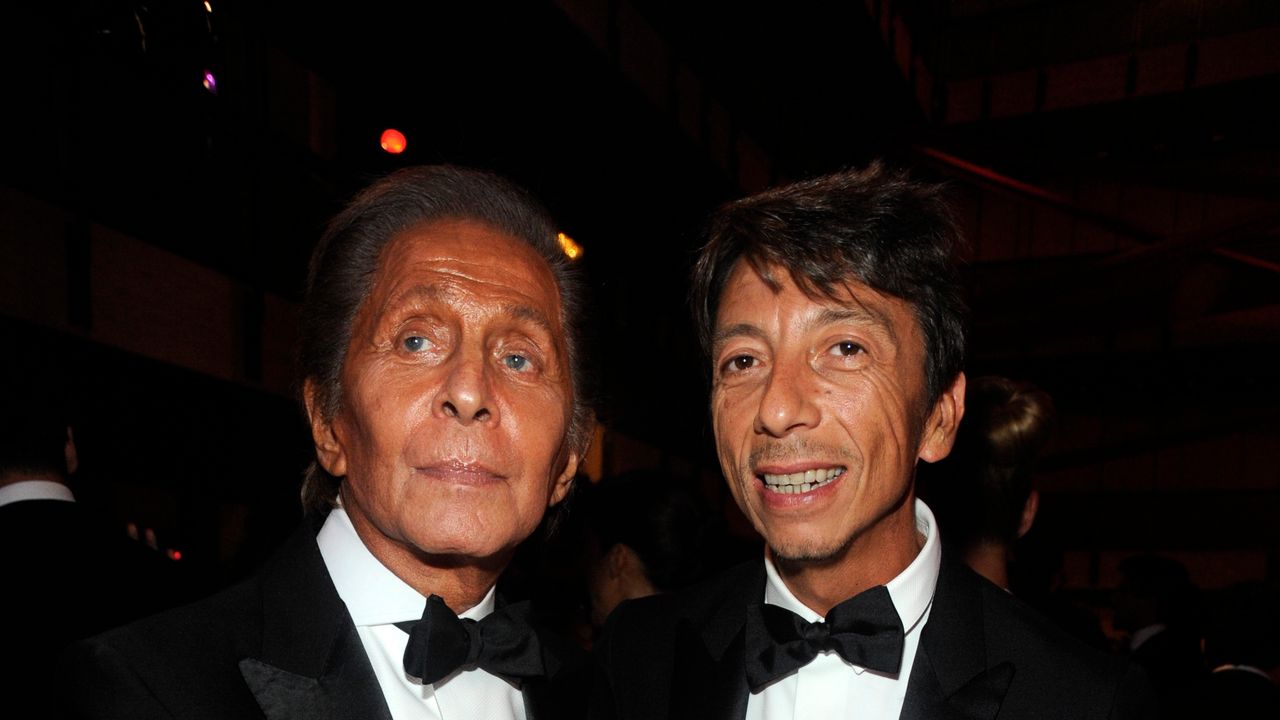
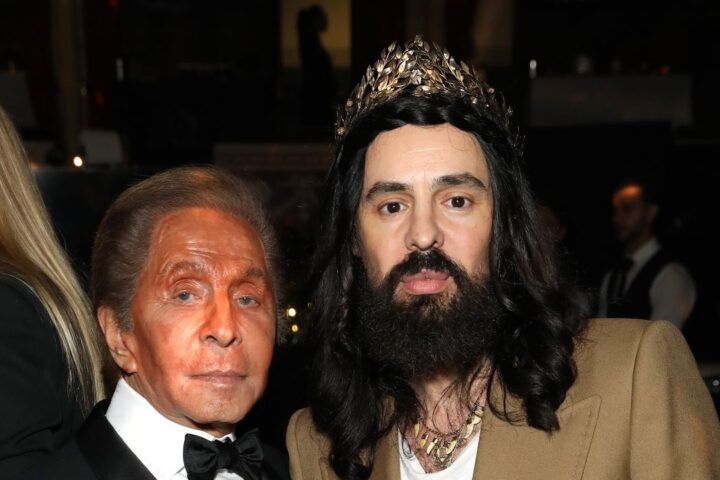
Of course, we spent a lot of time together, from “lessons from the boss” to discussing matching jewelry colors with clothes. We have a very personal relationship because, as you probably know, he used to do fittings where the models’ hair and makeup were done to perfection. We had a lot of time while we were waiting for the girls to get ready and I would sit with him and ask him to tell me stories. All the moments you read about history, about society—he lived all of them. For me, it’s an honor to ask: What was that moment like when Farah Diba (Queen Farah Pahlavi) left Iran wearing your clothes? Tell me the story of Nan Kempner and those ladies in uptown New York in the early 1980s. Or what the Halston house looked like in the 1970s after Studio 54? I always heard very personal stories from him, not the clichés that you know. It was a real privilege to know those moments through his eyes.
I think his influence on fashion was the idea of beauty, and the idea of speaking to women as a designer. Try to make them more confident in themselves rather than trying to create for themselves. I think that’s the idea of being a fashion designer: you work with another body – with a mannequin, with a woman’s body. As a fashion designer, you don’t create just by projecting yourself or your ideas, but you project your ideas and yourself in dialogue with others. In a way, it’s not about your ego, it’s about serving others in some way. This is more subtle, but to me it’s very relevant.
In the 1960s, he created a new lifestyle for women. In the 1950s, heroines appeared wearing big skirts and small corsets, like perfect wives. Together with Jackie Onassis, he created a new generation of women who began to be themselves, independently, rather than falling behind men. Then, of course, everything changed. But in that moment he was destructive even to these clean shapes. To me, the Jackie Onassis era was the most subversive era in the history of fashion.
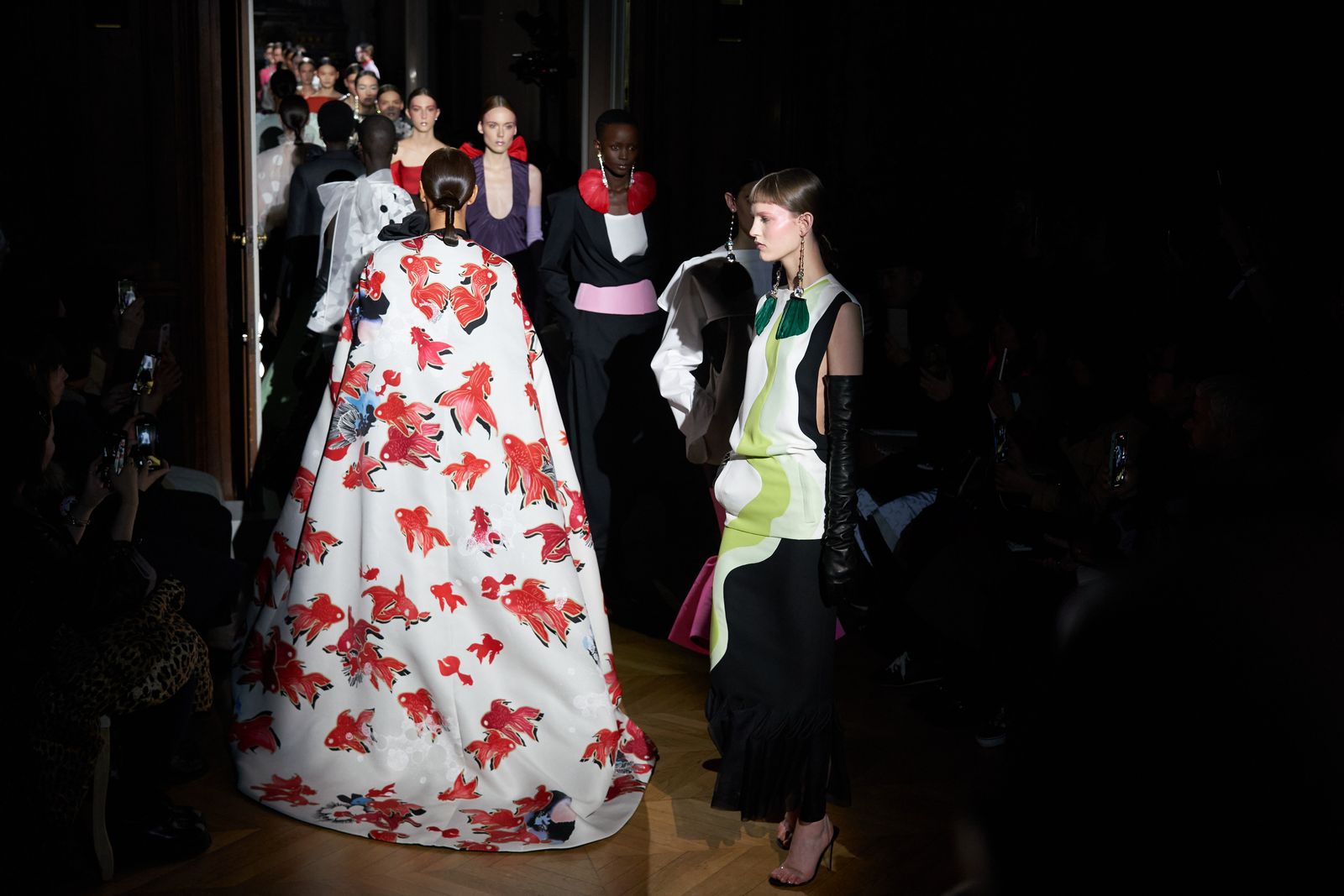
I remember Maria Grazia well [Chiuri] I was appointed creative director and Valentino called us to give us some advice. He said, “Don’t do big rolls,” because he knew I always liked big rolls. “Or do those books, but do them for women rather than for yourself, and think not just of yourself, but of a woman.” He was always very, very supportive and confident in embracing those changes.