The Tamesis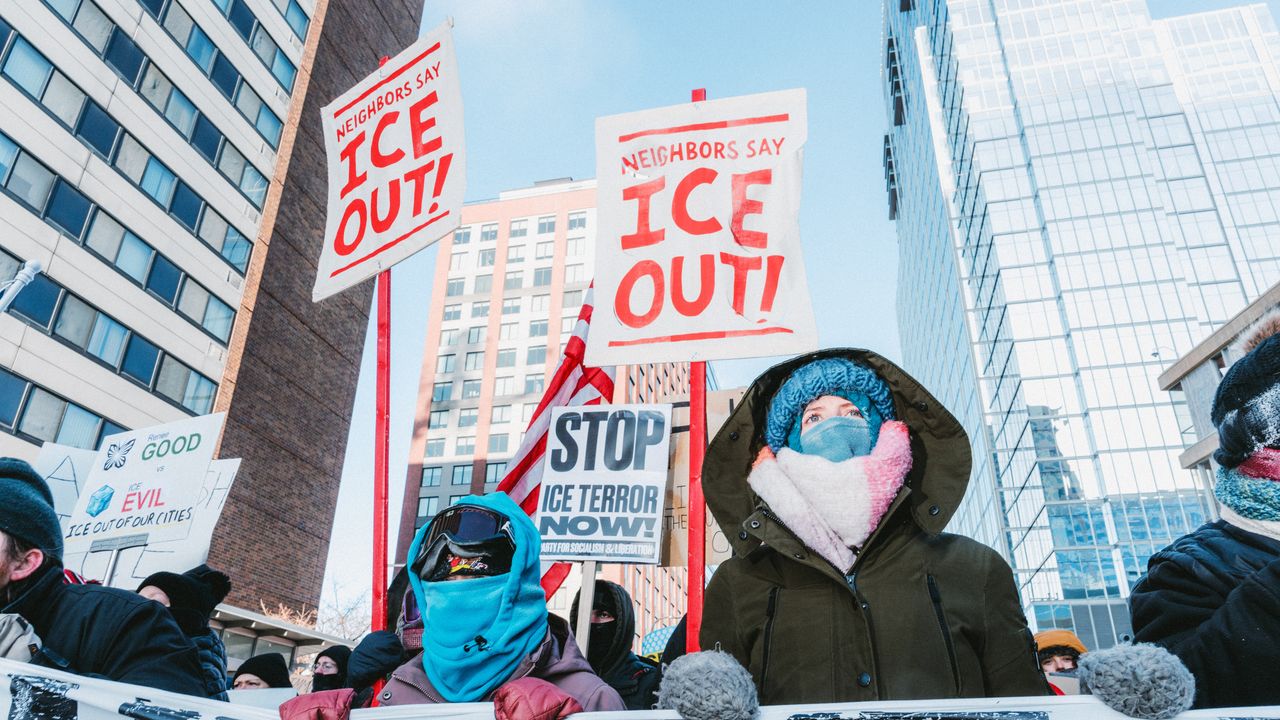
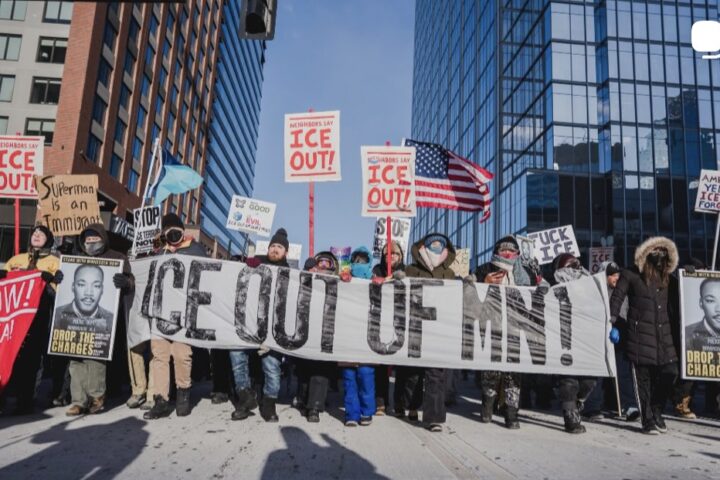
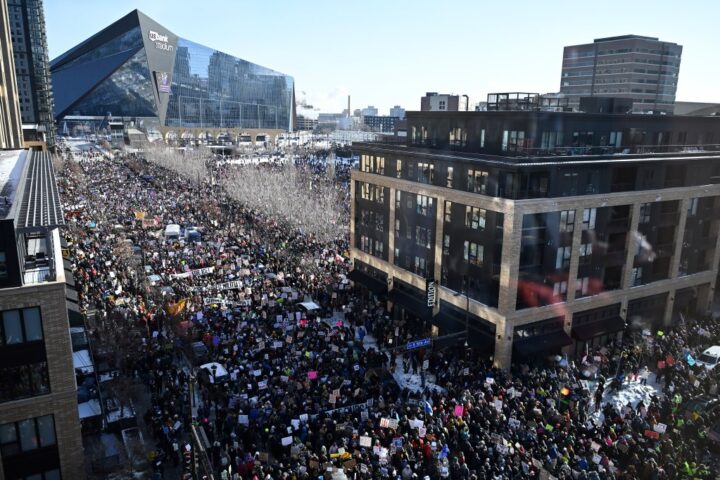
Since Donald Trump took office last January, Immigration and Customs Enforcement (ICE) has deported approximately 540,000 people, resulting in dozens of deaths. A year has passed since the shooting deaths of two U.S. citizens, Renee Nicole Good and Alex Pretti, by ICE agents in Minneapolis, Minnesota, within a month, sparked protests and clashes with law enforcement.
Claire, a 36-year-old mother, teacher and organizer from the Minneapolis area, is just one of many civilians working to keep her community safe amid raids and riots. Here she is Fashion About seeing her students and neighbors targeted by ICE, losing faith in elected officials, and how people outside the Twin Cities are showing support.
Can you tell me a little bit about what it’s been like for you these past few weeks as a Minneapolis resident?
We live in Ridgefield, Minnesota, which is basically south Minneapolis. This is where the video of two people being detained was filmed. That’s a mile from our house. We have a large Hispanic population in our area, so we’ve had a large ICE presence in our neighborhood since they arrived a few weeks ago. It’s very overwhelming. Our daughter attends Spanish immersion daycare in the area, so this was our first mobilization. Daycare centers are a chain and they’ve been through this in Chicago, so we’ve been providing rides to all the teachers who feel unsafe driving right now.
On the school side, I’ve scheduled some meetings with my understudy – I’m on vacation right now – and I’ve also scheduled some meetings with parents. It just so happened that both of these sessions were with Hispanic families and students that I had been interacting with for several years. The day Renee Goode was killed was the day I scheduled these meetings. Before that, they came to me and said, “Hey, can we cancel? We don’t feel comfortable going out.” We had plans to make everything virtual for them, and then everything obviously just snowballed. Now I know those students have not been in school since that incident. A large percentage of our Hispanic students are currently not in school. It was really heartbreaking and crazy to see everything happening right outside our front door. It’s also crazy to see the disconnect between the Twin Cities of Minnesota and rural Minnesota or other states depending on where they get their information and news from.
What part of all of this was the hardest to witness?
You know, I think the hardest thing for parents that I’ve been working with and all the volunteers that I’ve been working with is knowing that the target population is really just regular people – people that we care about, neighbors that we say hello to on the street but rarely talk to. It’s heartbreaking to hear these controversial language used about them, like “illegal immigrants” and “aliens,” and the disconnect from who they are as human beings. The people who take care of our daughter are so lovely and wonderful, but they don’t deserve any of this. she master The age range is different, so across the span, whether they’re in their early 20s or 50s, there’s still the same level of absolute fear. It just makes it real.
What do you think about families talking to their children about ICE raids?