The Tamesis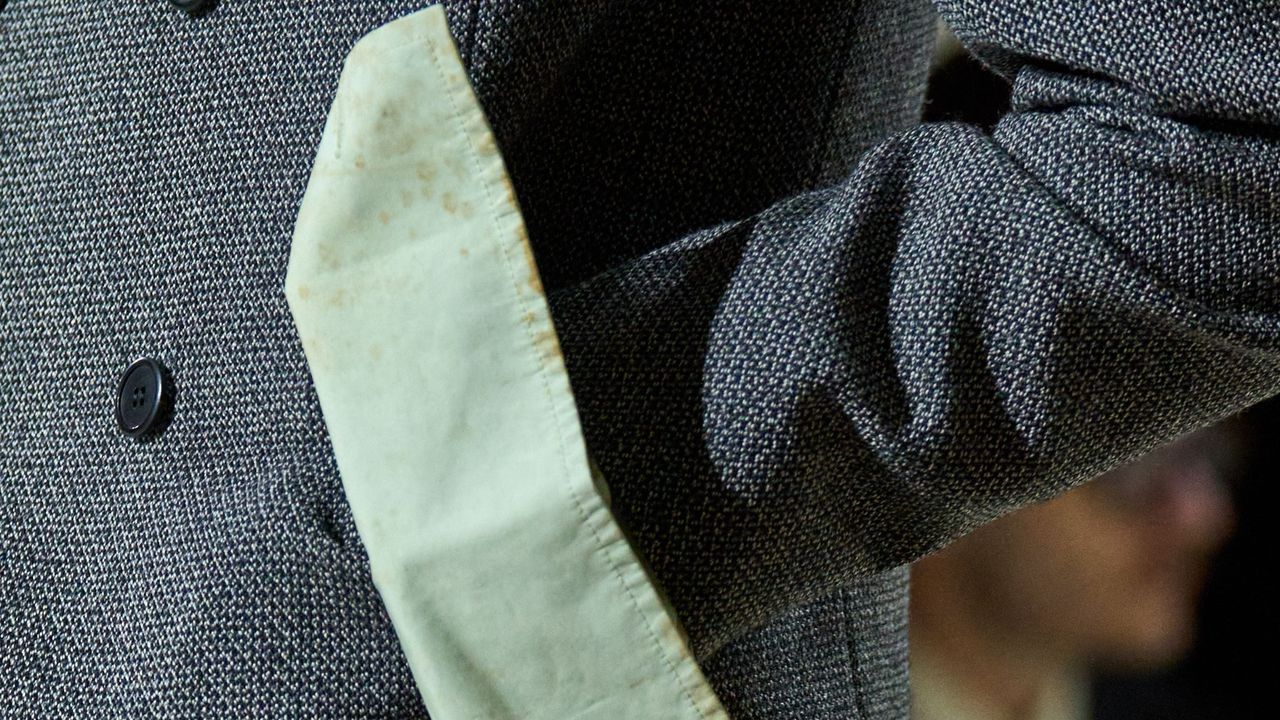
Dirty shirts appeared on the catwalk at the Prada Fall 2026 menswear show in Milan earlier this week. Of course, this is no accident: designers Miuccia Prada and Raf Simons appear deliberately– A stained dress shirt with artful splatters and spots on the cuffs and collar.
Why, you might ask, would a fashion house want its clothes to look worn? “The pieces are built on traces of tradition, composed of familiar elements, transformed through the questioning of convention,” reads the official collection presentation notes. The pieces on the runway looked less than perfect, certainly against convention, but the ripped shirts served a specific purpose – to offset the sharp tailoring and beautiful outerwear they were paired with, making them feel more authentic, more lived-in, and, frankly, real.
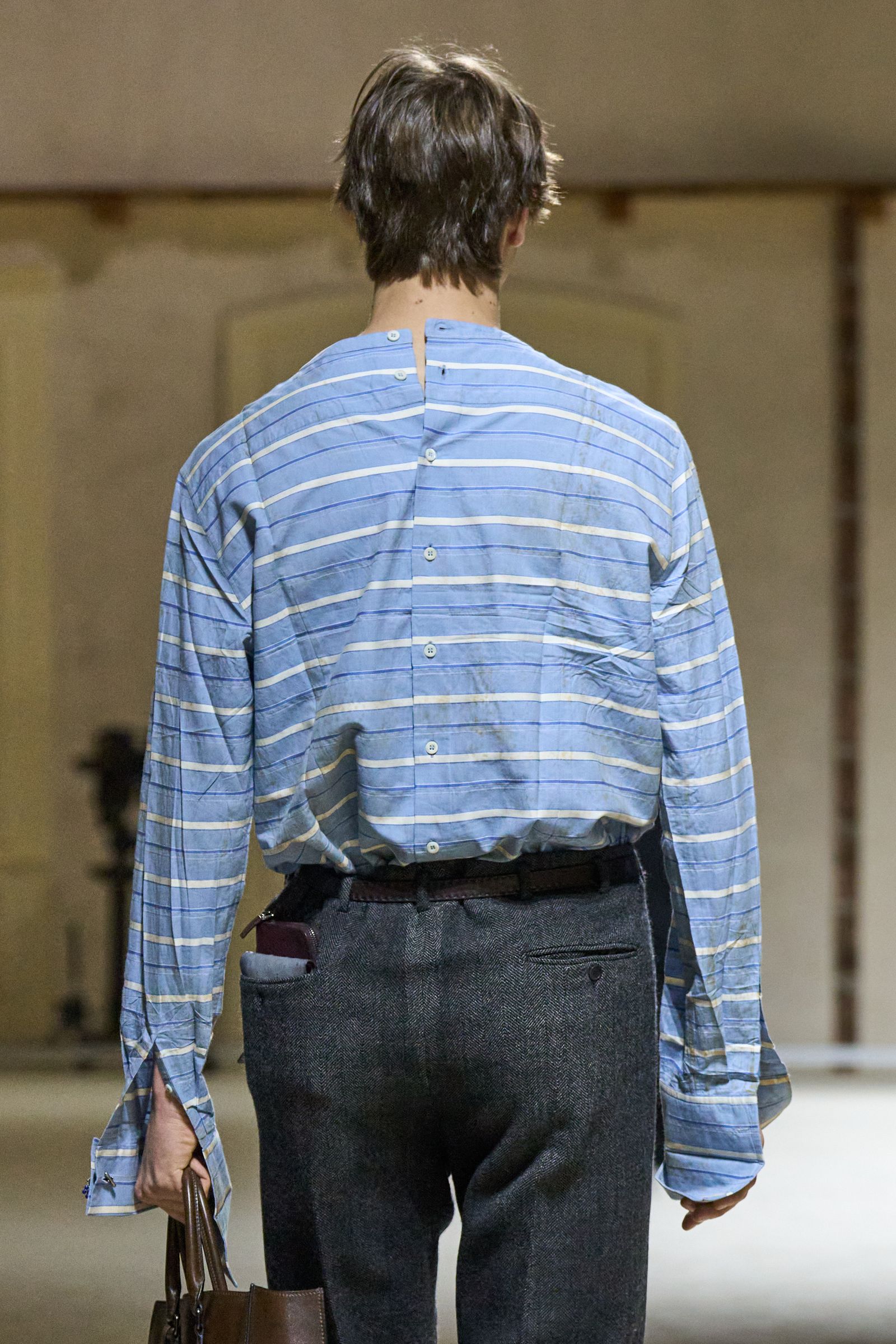
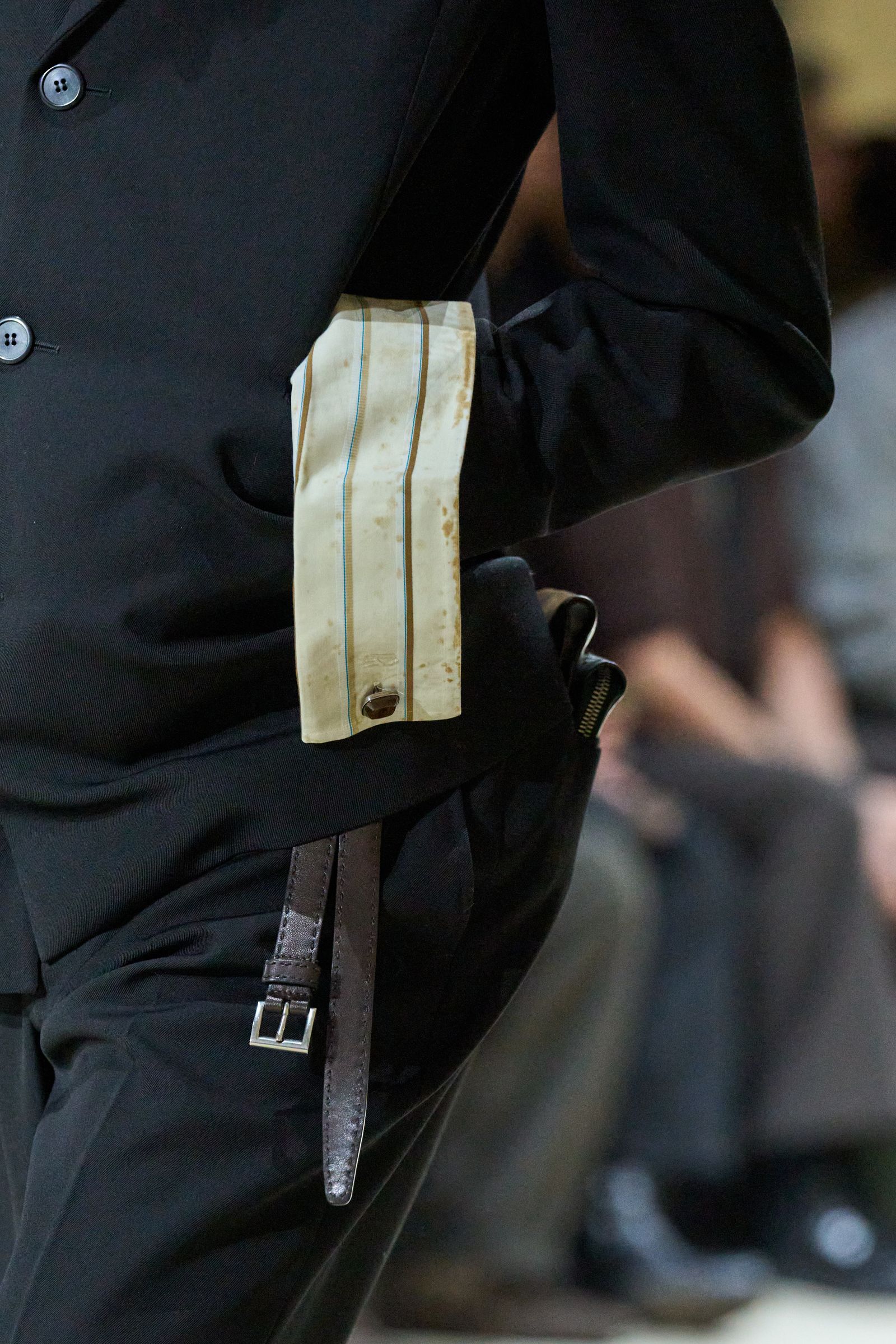
While strategically creating such dirty clothes is a polarizing aesthetic choice, they do feel good at the moment. It’s safe to say that the current environmental, economic and political climate is challenging in many ways, so any current fashion that’s too perfect runs the risk of being read as tone-deaf. After all, designers must create work that reflects the world we live in, and that will be the case in 2026. . . Far from ideal.
Of course, this isn’t the first time a fashion designer has gotten dirty. For years, the fashion world has been obsessed with taking familiar wardrobe staples, like crisp white sneakers or a knitted crewneck sweater, and fucking them up. It’s undoubtedly a compelling way to demystify the world of high fashion.
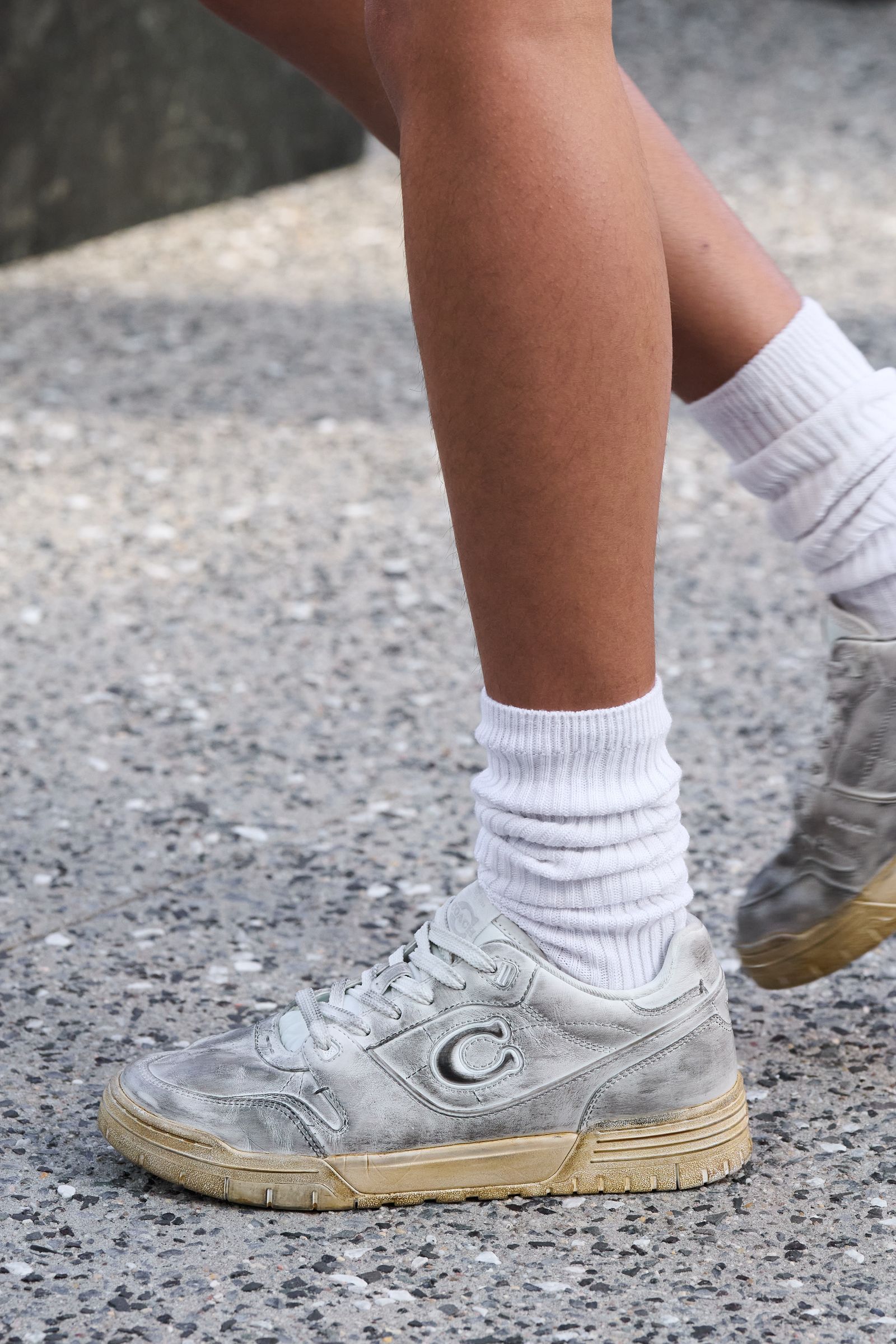
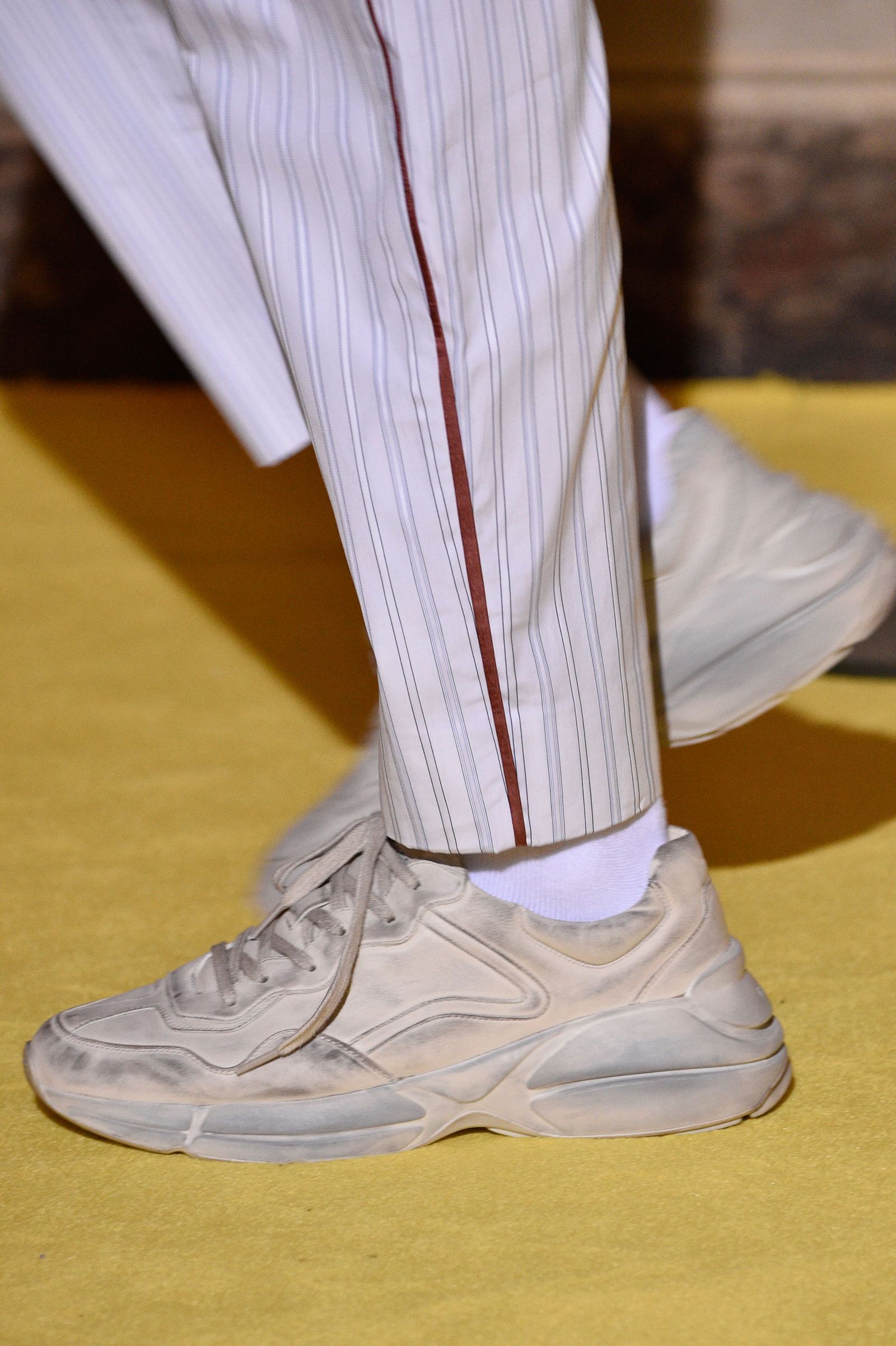
Back in the 2018 resort season, for example, Gucci caused a stir with white sneakers that looked like they’d just been on a dusty trail run—the luxe silhouette was covered in a dirty gray effect. Brands like Golden Goose continue to sell similar styles, doubling down on the idea that distressing can be fashionable.
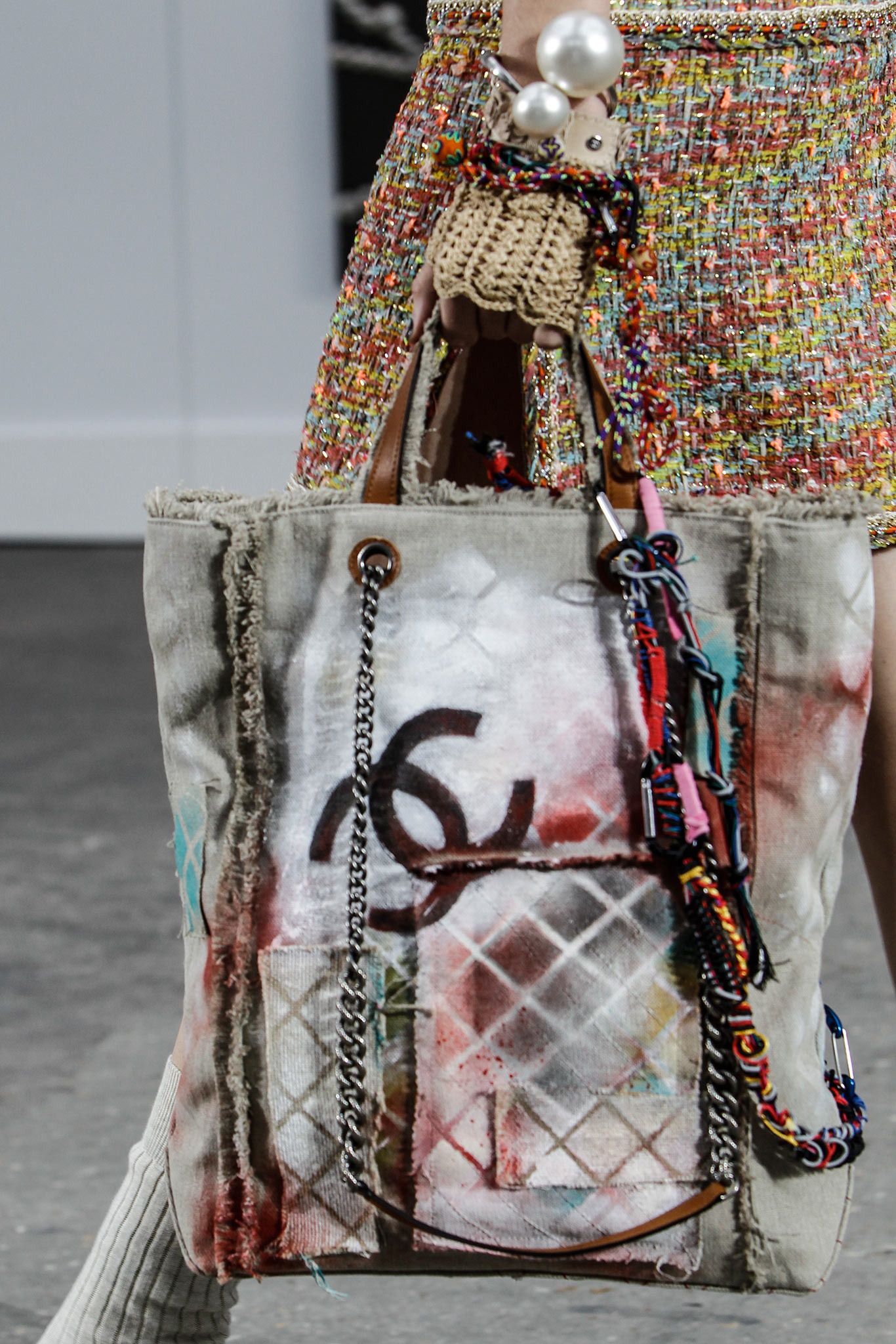
Luxury bags get similar treatment. Back in the spring of 2014, Karl Lagerfeld-era Chanel released a collection of grungy, graffiti-covered handbags and backpacks (some of which now sell for as much as $15,000). Most recently, for fall 2022, Demna’s Balenciaga showed off leather bags designed to look like garbage bags, and he also showed off leather clutches shaped like crumpled chip bags. One man’s trash is another man’s treasure.

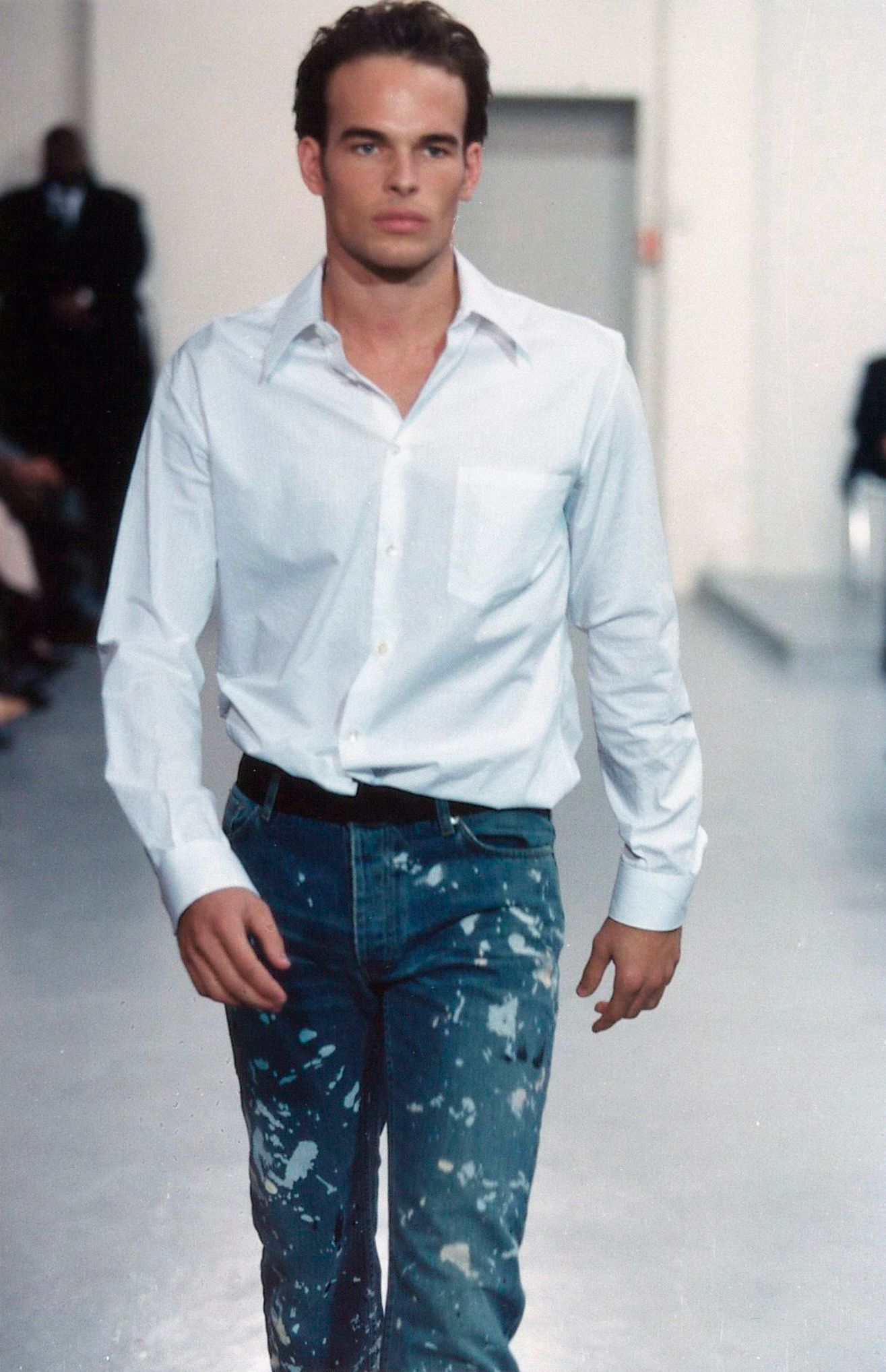
Ragged, ripped jeans and torn sweaters also made a lot of appearances on the runways. Back in spring 1998, Helmut Lang presented a line of paint-splashed jeans that many still regularly replicate today (such as Raf Simons’s fall 2014 acid-wash jeans in collaboration with artist Sterling Ruby). For fall 2016, Rick Owens debuted a knitted sweater with a drip pattern oozing from the neckline, as if someone had dropped an entire can of paint onto the sweater.
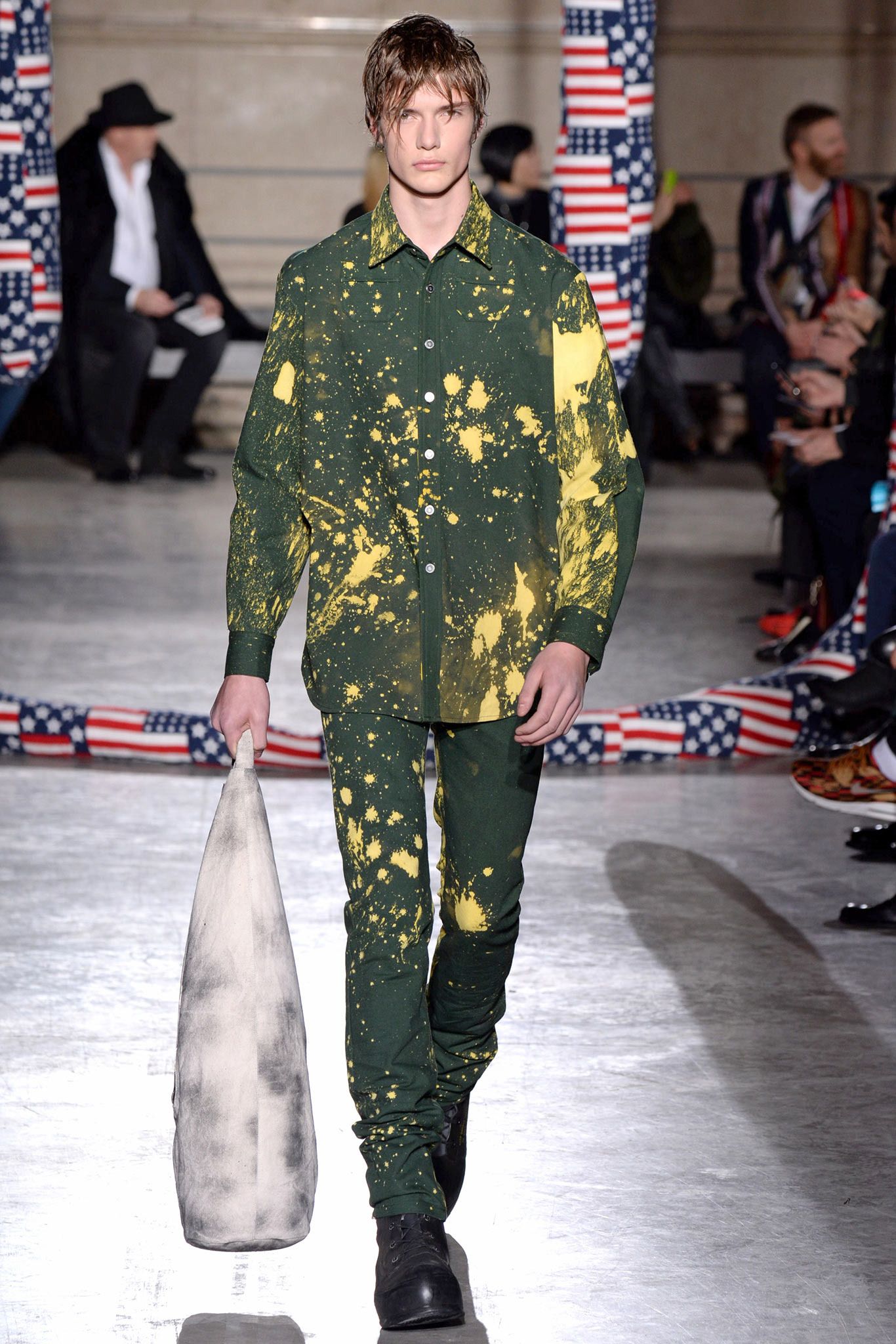
It’s no surprise that this has become a recurring trend on the runways, paring down items to make them feel less precious. But given that the price tags on these pieces don’t reflect what was actually destroyed—in fact, these pieces could even be more More expensive than regular ones because it takes a lot of time and effort to make them look so messy! ——The problem is, yes Do people actually wear them? Or is this just a novelty on the runway?
The internet is currently buzzing about Prada’s new collection. One TikTok user called it a “collapsed economic core,” while another speculated that the aesthetic choice was actually a subtle nod to the popularity of second-hand Prada pieces. (Because let’s face it: If you stumbled upon a priceless runway piece on The RealReal, you probably just overlooked a smudge or two.)