The Tamesis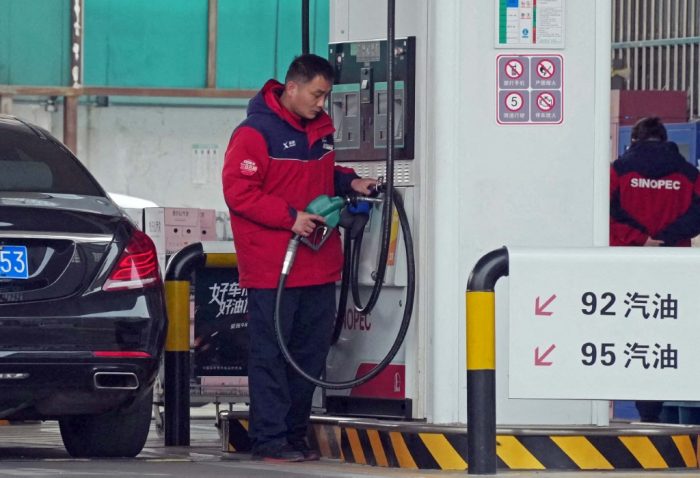
News that the United States is sending a peace plan to Iran had a positive impact on global markets on Wednesday.
Oil prices fall, Asian stocks rise new york times According to reports, a 15-point plan has been sent to Iran through Pakistan.
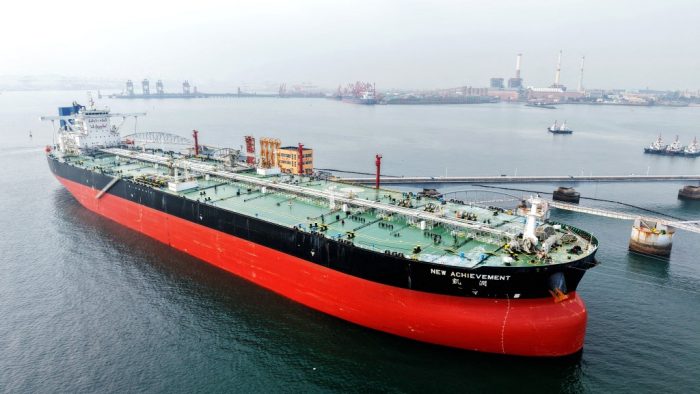
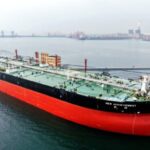
There was also good news from Tehran, which announced that it would allow oil tankers from “non-hostile” countries to pass through the Strait of Hormuz.
Also read: India’s shift to wood, coal unfavorable as gas prices soar due to Iran war
The New York Times cited unnamed officials as saying the delivery of the plan to Iranian officials, which the official said involves Iran’s ballistic missile and nuclear programs as well as ship blockades of sea lanes and the Strait of Hormuz, signaled the Trump administration’s intensifying efforts to end wars in the Middle East.
Not all the news was positive – thousands of U.S. paratroopers and Marines were also sent to the area – but investors were clearly welcoming early signs that hostilities might be easing after nearly four weeks of conflict.
The economic impact of the crisis has rippled through countries across the Asia-Pacific region, forcing governments to take widespread measures to reduce energy consumption and try to manage the impact.
Trump hints at valuable ‘gifts’
Prices for the two main oil benchmarks, Brent and West Texas Intermediate, are down more than 6%, with Brent trading at $98 a barrel and WTI at $87 a barrel at the time of writing (11:00 GMT).
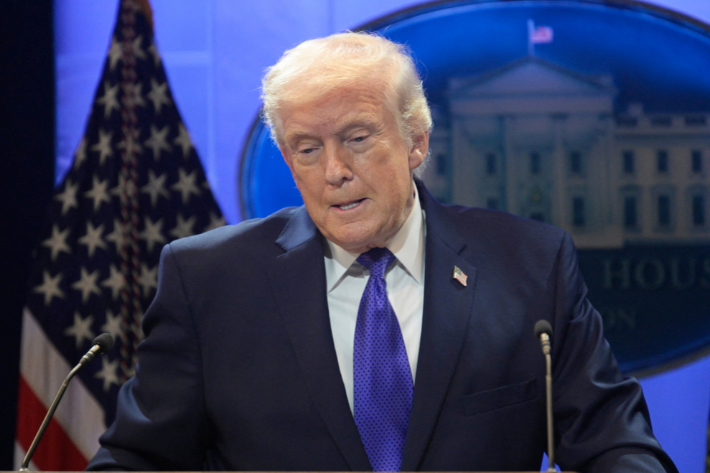
U.S. President Donald Trump expressed optimism about ending the war and said officials were “in talks right now.” But both oil companies pared their losses over time.
Trump told reporters in the Oval Office that Iran “did something actually amazing yesterday. They gave us a gift, and the gift arrived today. It’s a very big gift, and it’s of great value.”
“That means one thing to me – we’re dealing with the right people.”
He did not explain further but said it was related to the Strait of Hormuz, through which a fifth of the world’s oil and gas flows, and which Iran has essentially blocked, sending global energy prices soaring and fueling fears of another surge in inflation.
Israel’s Channel 12 said Trump proposed a one-month ceasefire, during which they would discuss handing over Iran’s enriched uranium and ban further enrichment, while Tehran would also ensure safe passage through the Strait of Hormuz.
According to AFP, the Israeli report also stated that Iran would end all sanctions and receive assistance in developing civilian nuclear energy.
Asian markets rise across the board
Tehran, meanwhile, guaranteed safe passage for “non-hostile vessels” through the strait in a message circulated by the International Maritime Organization.
Iran has said it does not target friendly countries.
Stock traders seized on these developments. Tokyo’s Nikkei rose 2.9%, Hong Kong’s Hang Seng rose 1.1%, Sydney’s ASX rose 2% and Mumbai’s Sensex rose 1.6%.
Seoul, Singapore, Bangkok, Jakarta, Wellington and Taipei also posted gains, while London, Paris and Frankfurt opened higher.
Oil reserves were further boosted by International Energy Agency chief Fatih Birol saying he was “ready to move forward” and further release oil reserves “if necessary”.
“Developments on the ground do not entirely support the de-escalation argument,” Pepperstone’s Chris Weston told AFP.
“Reports that the 82nd Airborne Division could deploy around 3,000 troops to the Middle East, along with discussions to raise the U.S. enlistment age from 34 to 42, suggest the U.S. will continue to prepare and increase its presence in the region, which Trump believes could increase pressure on Iran to reach a deal in upcoming talks.”
At the same time, the economic impact is becoming increasingly clear.
On Wednesday, Vietnam raised the price of diesel to 39,660 dong ($1.50) per liter, meaning it has more than doubled since the war began.
Data on Tuesday showed euro zone business activity slowed sharply in March as energy prices soared and global supply chains were hit, while France’s INSEE statistics agency cut its growth forecast for the first and second quarters of this year.
Philippine President Ferdinand Marcos declared a “national energy emergency”, citing risks to domestic supplies, and Sri Lanka ordered the shutdown of street lights, neon signs and billboard lighting.
Bangladesh has raised jet fuel prices by 79% and Ireland has cut excise duties on petrol and diesel to curb soaring prices at the pump. Thailand says a protracted war could reduce arrivals by 10% this year and cause billions of dollars in economic losses.
Key figures around 0815 GMT
West Texas Intermediate crude oil: fell 4.2% to $88.50 a barrel.
North Sea Brent crude oil: fell 5.0% to $99.26 a barrel.
TOKYO – Nikkei 225: up 2.9% to 53,749.62 (close).
Hong Kong’s Hang Seng Index: rose 1.1% to 25,335.95 (close).
Shanghai – Composite Index: up 1.3% to 3,931.84 (close).
LONDON – FTSE 100: up 0.7% to 10,032.23.
USD/JPY: rose from 159.03 yen to 159.11 yen.
NEW YORK – Dow: fell 0.2% to 46,124.06 (close).
See also:
Iran mocks Trump for backing down on crackdown on its oil, power plants
India races to secure supplies as new attacks threaten ‘energy war’
Iran war sends gas prices soaring, Asia ramps up coal power generation
War with Iran could hit some of Asia’s biggest economies hard
Iran war trumps sanctions, Indian refiners snap up Russian oil
Iran threatens to ‘destroy world economy’ as more ships attacked
Iran says three ships attacked, ready for $200 a barrel price
Oil crisis: US allows Iranian tankers to pass through Strait of Hormuz