The Tamesis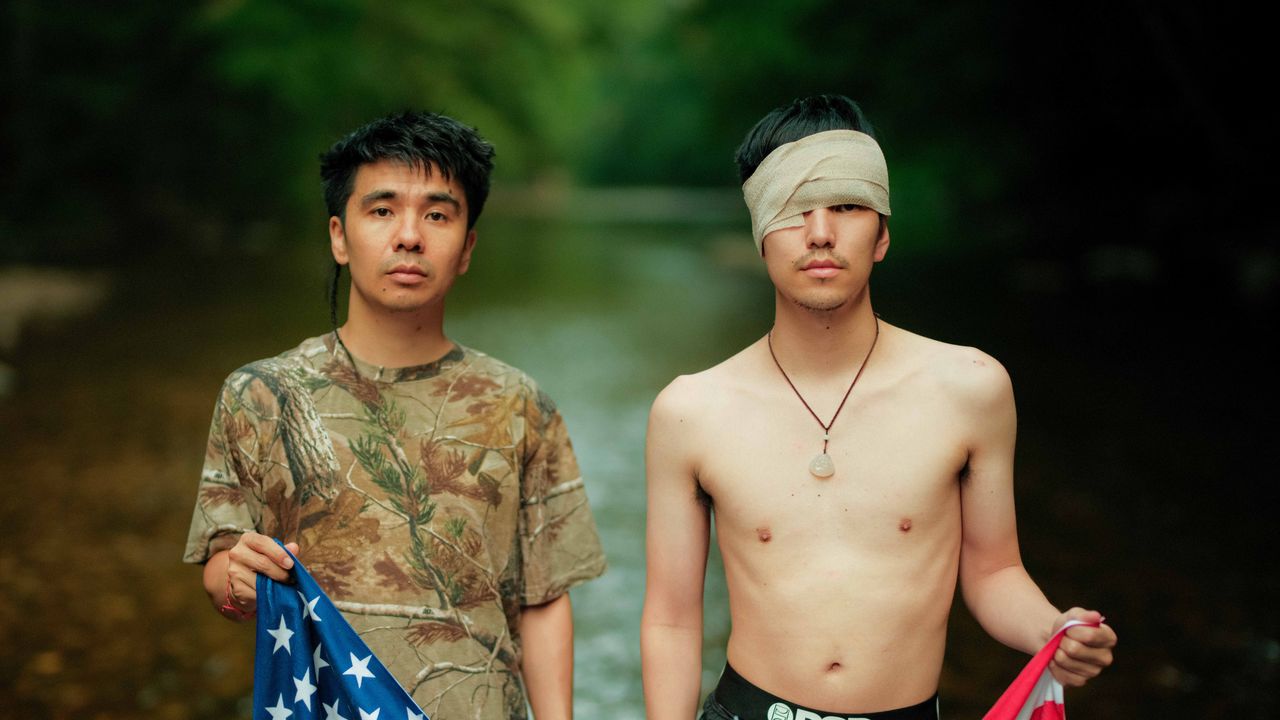
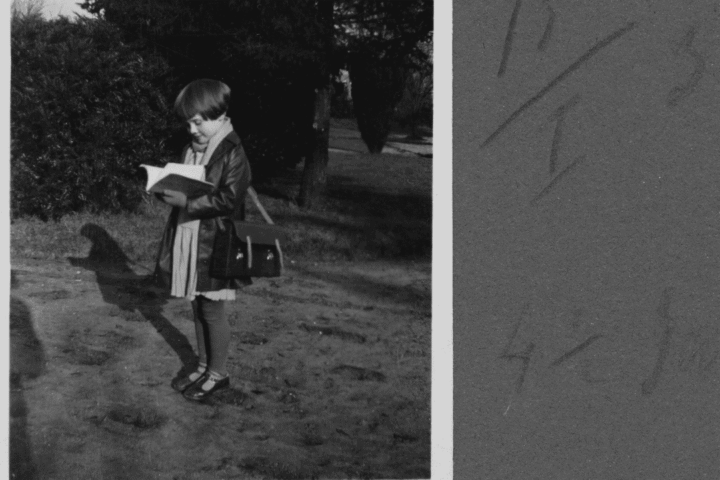
Award-winning poet and novelist Ocean Vuong’s debut exhibition, Sống, now on view at CPW in Kingston, New York, is a collection of photographs spanning several years and reaching the present through a portrait of his brother. Sống – means “life” in Vietnamese, and in English is reminiscent of William Blake’s Song of Innocence and Experience——describes the care and struggle in the grief after the death of his mother. Vuong’s personal story is intertwined with the historic, intergenerational grief of the diaspora in the wake of the Vietnam War against America.
Photography is a practice he has long cherished, first as a way to help friends get free skateboards and gear or to make some money at punk concerts, and later, through his digital camera, as a way to capture his family in unguarded moments. As he puts it, this method of documenting the present remains prone to mistakes and the tendency to be unpredictable, generous, and creative because of those mistakes.
Vuong’s photography presents everyday moments in his immigrant working-class milieu, elevating the ordinary to a realm where grief and memory can be confronted, and focusing on everything (and everyone) that is easily forgotten, deemed unimportant or abandoned.
I want to ask you, how did your desire for photography begin? When you write, you seem to work through images. So when you take photos, is there still a connection to writing, or is the process more immediate and instinctive?
This is a lovely question. I think it’s both. Photography is a very descriptive medium. Camera capture, photo description. So there are two different objects working.
I think writing for me is a matter of description. It brings objects together so that they resonate. There’s always a connection there. The biggest difference in composition is that the writing is thoughtful, full of questions and positioning. A sentence that comes slowly, a little familiar, a little thoughtful. Yet this photo may have been quite accidental. A lot of luck can happen in photography, I think Susan Sontag said it best, but there is no luck in writing. No one writes good sentences by accident. I like that photography is more tolerant of mistakes and imperfections.
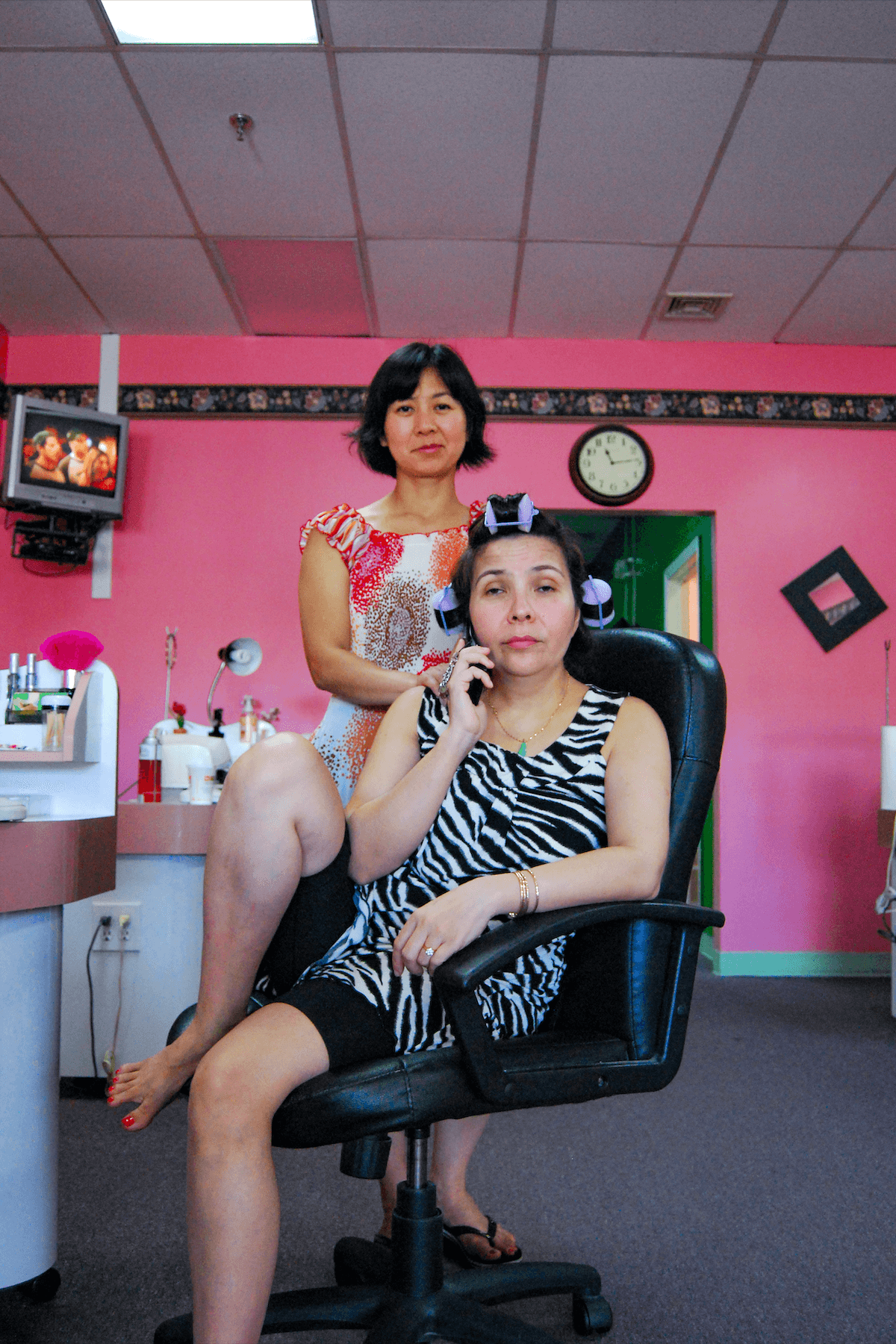
Fang and Mom (2009)© Wang Haiyang
Maybe you have no control over photography, or maybe you have less control. I find a connection with your work that reveals your deep vulnerability. Photography has a direct, almost unguarded language. So my second question is, how do you deal with this different form of vulnerability, does it expose something that writing cannot? Or does it just reveal it in another way?