The Tamesis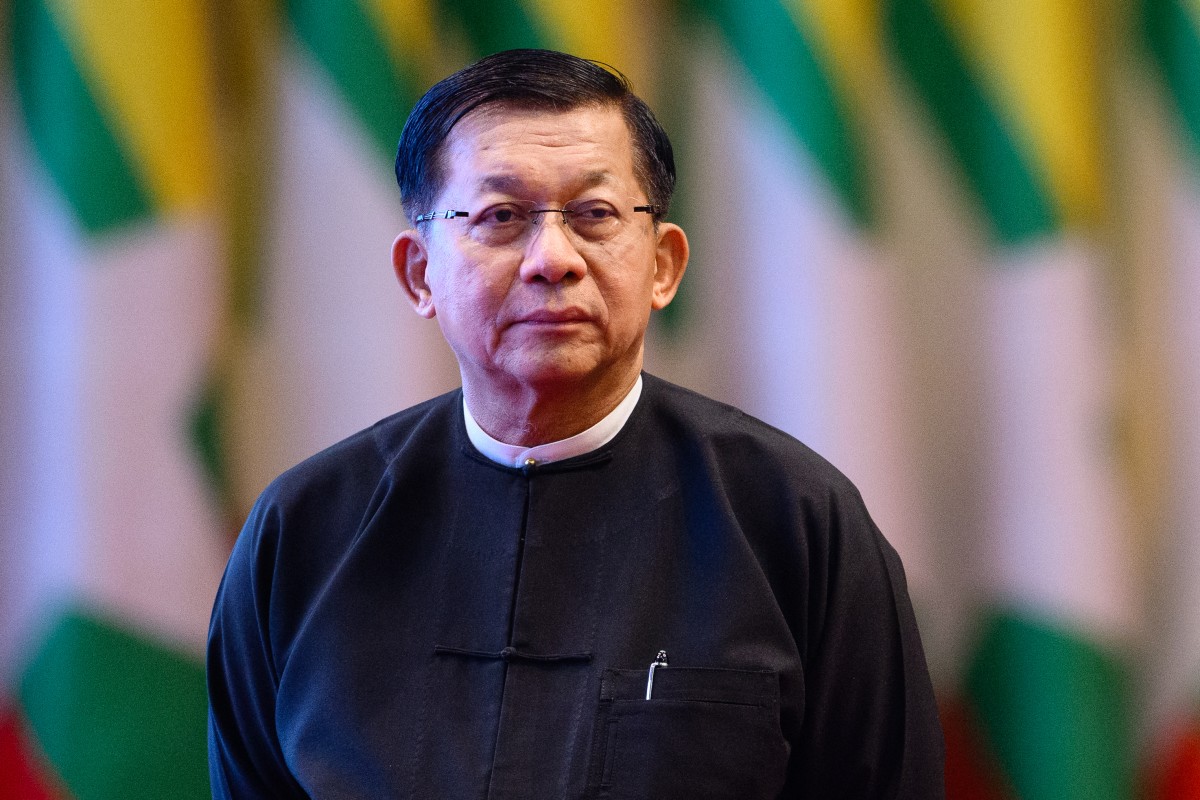
April 10, 2026
Yangon ——On April 3, according to the provisions of the 2008 Myanmar Constitution, Myanmar’s former commander-in-chief Min Aung Hlaing, who overthrew Aung San Suu Kyi in the coup in February 2021, was elected as the 11th president by the Myanmar parliament after relinquishing his position as commander-in-chief. The two runners-up in the presidential election, former Prime Minister Nyusu and Karen State Federation Solidarity and Development Party Chairman Nan Ni Niyei, were appointed vice presidents.
The country held its first post-coup elections in three phases in December and January. In this election, the pro-military USDP won 339 seats, while Suu Kyi’s party, the National League for Democracy (NLD), was dissolved and banned from participating. Elections could not be held in 65 regions and 78 seats remained vacant. The parliamentary elections, in which nine countries are participating as observers, are largely seen as an attempt by the junta to gain legitimacy through the elections. Both India and China support the election.
Military rule continues
Before taking office as Myanmar’s president, General Rai reorganized the armed forces, appointing his long-time aide and former intelligence chief Ye Win Oo as commander-in-chief. The military retains substantial control in parliament, with 25% of seats reserved for active military officers in both houses of the National Assembly and local administrative bodies. The top commander of Myanmar’s armed forces holds an extremely powerful position in Myanmar. Commanders appointed the defense, interior and border affairs ministers from the military, a move that further cemented the military’s political dominance, giving it a major say in the peace process and ceasefires with ethnic armed groups fighting the junta to create a federal force.
In February, a new five-member Alliance Consultative Committee was established, including a chairman and a secretary. It enjoys broad powers to advise on security and foreign affairs, legislative issues and matters related to the peace process. The President shall appoint the members of the Commission and determine their responsibilities and powers. Presumably, the committee would empower the president to exercise control. All state and district chief ministerships have been filled by loyalists of President Rai.
According to the 2008 Myanmar Constitution, the commander-in-chief enjoys tremendous powers. With General Rai as president, it will be easier for him to exercise power through the council to determine the direction of the country’s foreign affairs and how the country responds to challenges posed by different ethnic groups, some of which are fighting the Tatmadaw. In the current administrative structure, he may be more powerful than the commander-in-chief, although according to the constitution, the new commander-in-chief General Wu will enjoy autonomy from parliamentary or even presidential control.
Challenges facing neighbors
With peace still fragile, ethnic armed groups could pose a serious challenge to Myanmar’s military-backed regime. Mineral deposits in Myanmar are controlled by ethnic armed groups, particularly the Kachin Independence Army in Kachin State. The recent arrests of six Ukrainians and one American in India also indicate that armed groups are developing ties and receiving training in drone technology to fight the Tatmadaw. The government of Mizoram, an Indian state that borders Myanmar and has ethno-cultural ties, said that 2,000 tourists from Western countries visited Mizoram between June and December 2024. Russia has been Myanmar’s main arms supplier.
Countries bordering Myanmar do not want the conflict to spread beyond their borders and embarrass themselves internally. Bangladesh is already burdened with 1 million refugees, and with the Arakan Army controlling Rakhine State, the problem is unlikely to be resolved anytime soon. The Myanmar government does not want the Rohingya to return because it considers them immigrants, and refugees living in Bangladesh do not want to return unless they are guaranteed life safety and constitutional provisions are changed to make them foreigners in their own country.
In addition, Thailand, which shares the longest border with Myanmar, has also been affected by instability and refugee flows. But instead of taking an isolationist approach, it engaged with Myanmar. The ASEAN five-point consensus formula will do nothing to force the military regime to adhere to the envisaged road map. Each of Myanmar’s neighbors is aware of the strategic costs of domestic instability and has engaged with the regime to protect its interests. Indeed, China has negotiated with ethnic minorities to achieve peace in the country’s northern regions, although that peace remains fragile at best.
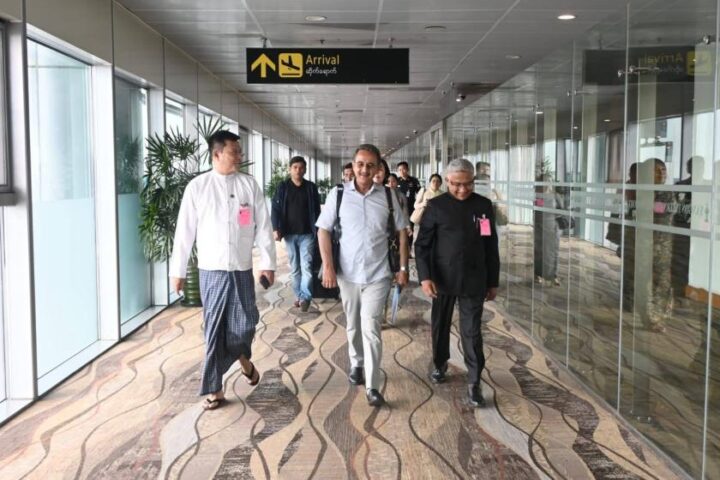
Kirti Vardhan Singh, Minister of State for External Affairs of India, will visit Myanmar for two days on April 8 and will hold talks with the new government on bilateral issues. He is also expected to attend the presidential inauguration ceremony in Nay Pyi Taw on April 10. General Rai visited India three times when he was commander of Myanmar’s army, and New Delhi has developed a strong security relationship that helps deal with the challenges posed by insurgents in the northeast. India is unlikely to take any stance against the current regime, thereby compromising its vital security and economic interests. India is a champion of democracy in Myanmar and has taken a pragmatic stance since the 1990s by promoting connectivity projects to expand port access in the northeastern region through the Sittwe port.
Myanmar’s government-in-exile, the National Unity Government, remains fragmented and has no clear road map for a return to democracy in Myanmar. Ethnic armed groups are busy consolidating the dominant forces of each ethnic group. The vast majority of people in Myanmar long for a return to multi-party democracy, but for now, this seems to be a distant dream. Only time will tell whether Myanmar’s political leaders in exile will use their emotions to pose any challenge to the regime.
Please add bold and italics at the end:
Smruti Pattanaik is a Research Fellow at the Manohar Parrikar Institute of Defense Studies and Analysis, New Delhi, India.