The Tamesis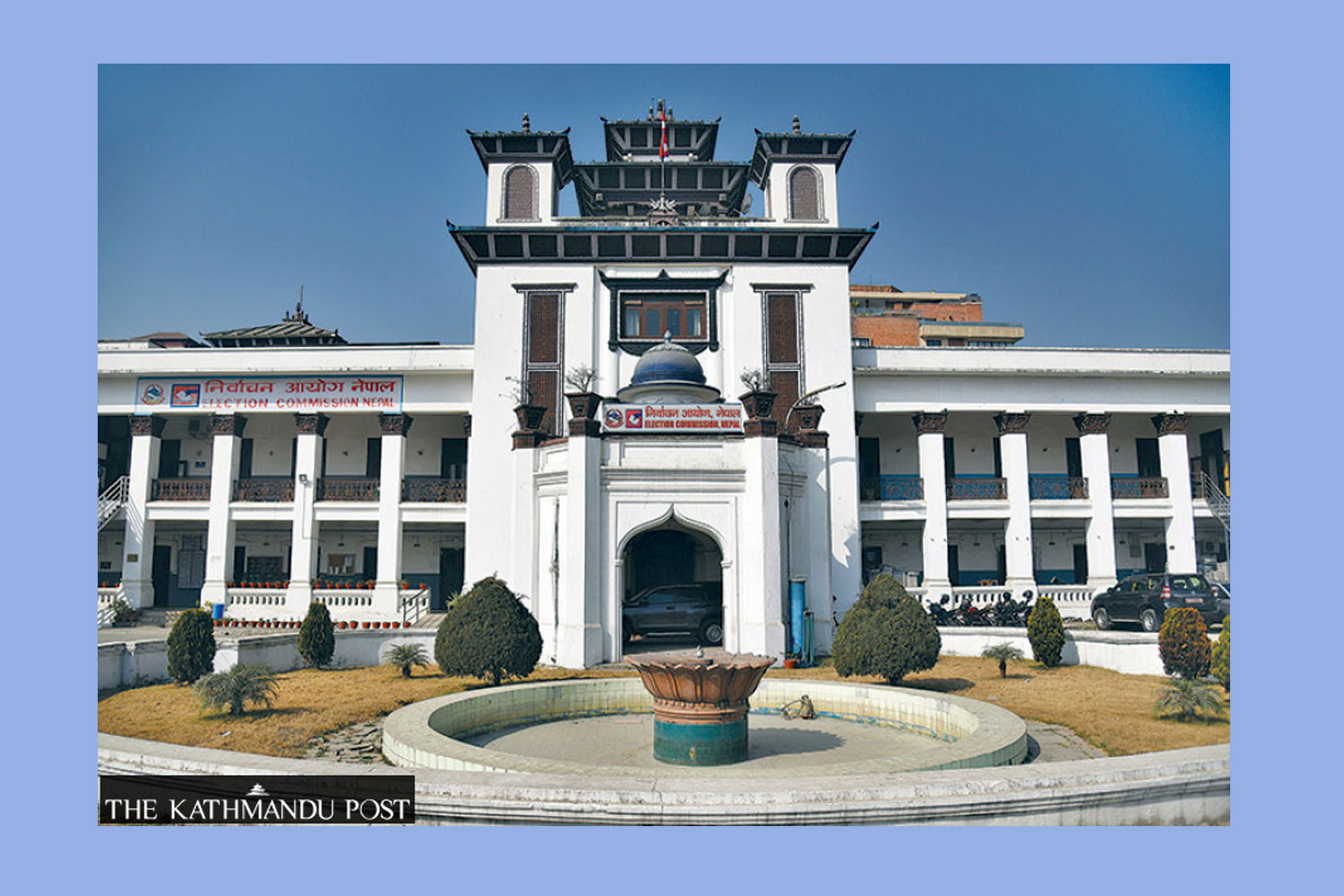
kathmandu – Hundreds of complaints. Seventy-nine clarifications. And zero action. This is the Electoral Commission’s one-month report card on the implementation of the electoral code of conduct aimed at safeguarding the sanctity and decency of elections.
The Constitution’s electoral management body implemented a code of conduct for the March 5 elections on January 19. The bill comes into force after several rounds of discussions with the political parties taking part in the March 5 vote. The committee also sought public feedback before coming up with a final version.
However, 35 days since its implementation, the commission has done nothing but seek clarification from those suspected of violating electoral norms. The committee has sent out as many as 79 letters seeking written justifications from individuals and institutions. Of these, nine have been asked to provide clarification twice after being complained of more than one violation of the code of conduct.
For example, Rastriya Swatantra Party candidate Ashika Tamang from Dhading-1 was first asked to provide clarification on campaigning in a school. Ten days later, she was allegedly caught using schoolchildren for campaigning. The committee sought another clarification. According to the committee’s report, her reasons were unsatisfactory on both occasions. She was asked to clarify again.
Similarly, Nepal Communist Party candidate Shakti Bahadur Basnet from Jajarkot also allegedly distributed money during the campaign. He was also asked to write another clarifying statement, saying the first statement was unclear. A committee report shows it spent time repeatedly seeking clarification but took no action.
“Our job is to seek clarifications and submit them to commissioners and penalize them when their clarifications are not convincing. We are not sure why they are hesitant to take action under the code of conduct and other laws,” a senior official of the commission said.
The code of conduct states that if a candidate is found violating the code of conduct, a fine of up to Rs 1 lakh or disqualification of the candidature will be imposed. Furthermore, the commission can even ban them from contesting elections for up to six years. Apart from the electoral law, other laws are also enacted to hold accountable those who do not adhere to electoral norms. For example, the Children’s Act completely prohibits the use of children in voting. Section 66 of the Act classifies it as an offense against children.
Parties and candidates have been flouting codes of conduct and commission directives, not just in campaigns but in other areas as well.
More than half of the political parties participating in the March 5 elections, including the Nepali Congress and the Nepal Communist Party-Unified Marxist-Leninist, ignored the commission’s instructions and did not publish their manifestos within the deadline.
The commission has asked all political parties contesting the election to make their manifestos public by February 15 before starting full-scale campaigning from the next day. However, 37 out of 68 political parties did not comply. However, despite announcing that action would be taken against the rebels, the committee did not even seek clarification from them.
Likewise, most of the incoming candidates remain indifferent to the commission’s directive to open new bank accounts by February 15 for campaign-related financial activities. However, only 671 out of 3,406 candidates had new accounts ready before the deadline. The commission strictly requires parties to conduct transactions above Rs 25,000 from their bank accounts. However, it took no action against those who openly violated its orders.
Committee member Sagun Shumsher JB Rana, who heads the Central Code of Conduct Monitoring Committee, claimed that they are all ready to take necessary action if required. “We are still working on clarification and gathering evidence for further action,” he told The Washington Post. “However, we also need to recognize that there have been fewer incidents of breaches of the code of conduct compared to previous polls.”
Poll watchers disagree. “It is wrong to say that the number of incidents has decreased. Earlier, they were dominant physically and now have moved to social media, which is even more dangerous,” said Gopal Krishna Siwakoti, chairman of the National Election Observation Commission. “There is no point in taking action after all the harm has been done. The commission must take punitive action in some landmark cases before the elections.” Just 10 days are left for the March 5 polls.
Shree Krishna Subedi, chairman of the Nepal Election Observation Commission (NEOC), said the reduction in the number of irregularities cannot be an excuse for inaction in other cases. “We will wait for a few days. If the committee continues to fail in its duty to take action, we will seek the intervention of the Supreme Court,” he said.