The Tamesis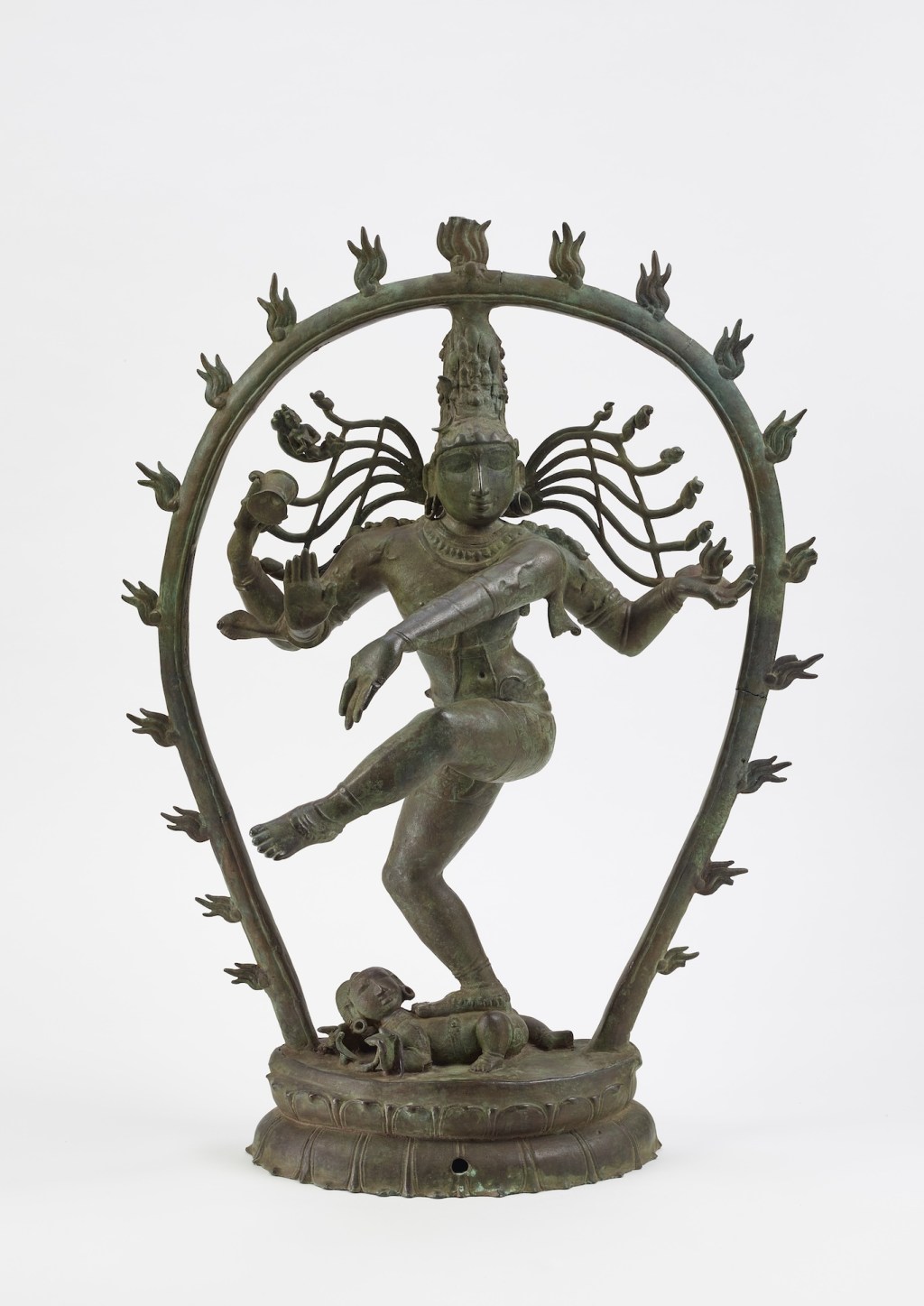
The Smithsonian’s National Museum of Asian Art announced today that it will return three bronze sculptures to India, a continuation of a Khmer-period work returned to Cambodia last month.
The three bronze statues – ‘Shiva Nataraja’ (c. 990), ‘Somaskanda’ (12th century) and ‘Saint Sundarar with Paravai’ – were originally sacred objects carried in temple processions and were later stolen. According to the museum’s provenance research, the works are linked to art dealers known to traffic in looted antiquities. In 2023, the museum worked with the French Pondicherry Institute Photo Archive to determine their provenance, ultimately discovering that the bronzes were photographed between 1956 and 1959 in a temple in the Indian state of Tamil Nadu and removed in violation of Indian law.
Related articles

“The National Museum of Asian Art is committed to the responsible stewardship of cultural heritage and transparency in its collections,” said Chase F. Robinson, museum director. “Because we aim to fully understand the complexity of the objects in our collections, we have embarked on a robust research program to trace not only how they came to the museum, but also their origins and history over time.”
In December, the National Museum of Asian Art, part of the Smithsonian Institution in Washington, D.C., returned three Khmer-period sculptures after research conducted in collaboration with Cambodian authorities determined that the works were likely looted during the Cambodian Civil War (1967-1975). The sculptures, two from the 10th century depicting the Hindu gods Uma and Harihara, and the third from around 1200 AD depicting the Buddhist god Prajnaparamita, were donated to the museum without documentation of their export from Cambodia. As is the case with the Indian repatriations, each Cambodian sculpture is linked to art dealers now known to traffic in looted antiquities.
“While the Smithsonian has legal ownership or custody of its collections, continued retention or separate management could be harmful to future generations or the community and is fundamentally inconsistent with the Smithsonian’s ethical standards and values,” the museum said in a statement.