The Tamesis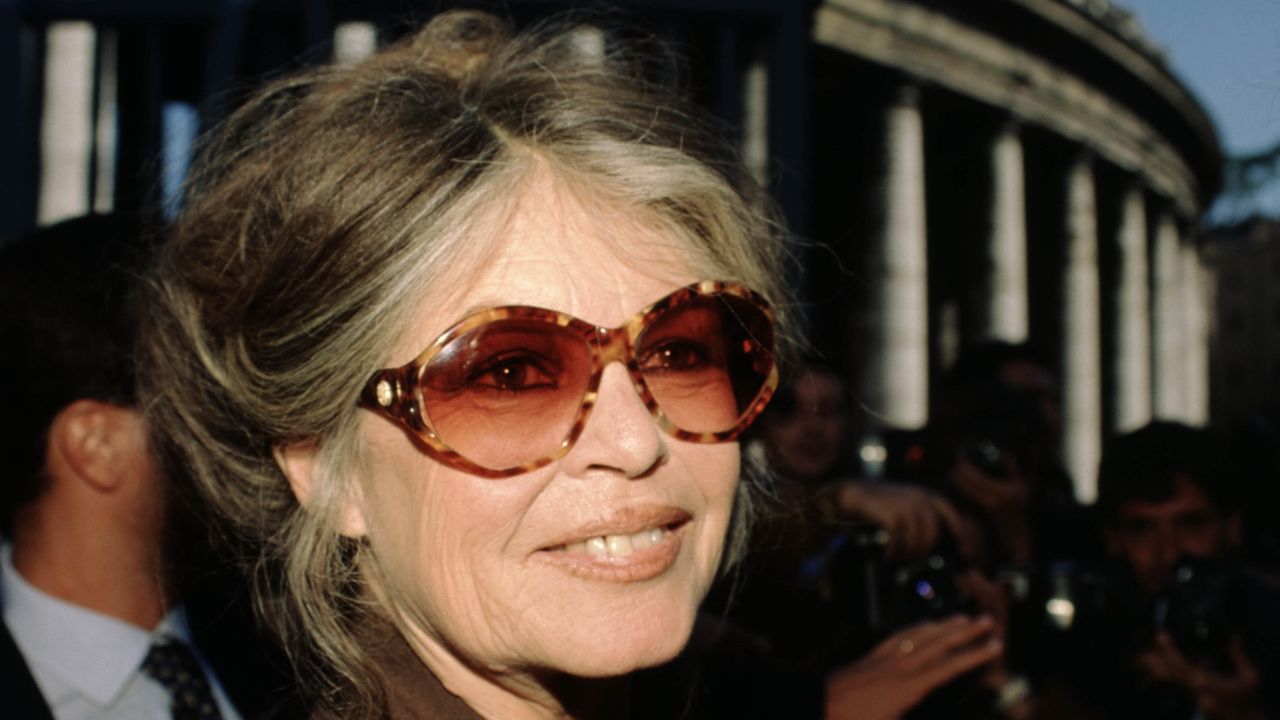
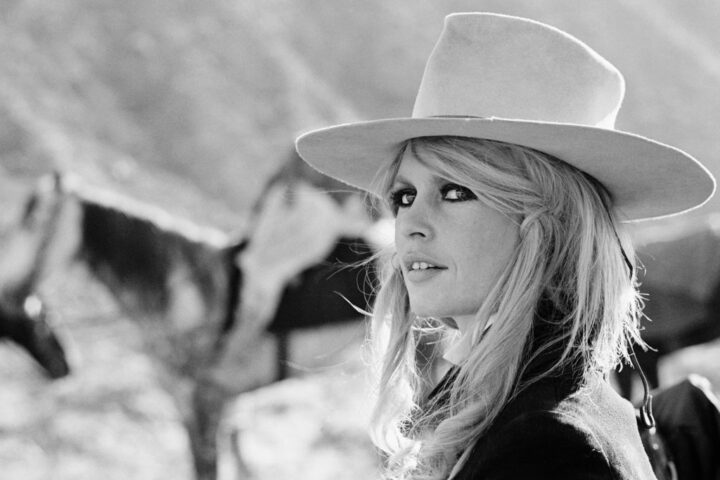
When I heard that French actress and animal activist Brigitte Bardot died on Sunday at the age of 91, my first thought was that as a child I sang her song “Les Cheveux dans le vent” incessantly with my mother, who was introducing me to Gallic yé-yé pop and its various offshoots, which were the soundtrack of her childhood. My second thoughts, however, were less nostalgic and pleasant. I recall Bardot’s later-in-life turn to support right-wing political candidates, her callous dismissal of actresses who came forward with their experiences of sexual harassment during the #MeToo movement, and her repeated fines by the French government for “inciting racial hatred” for blatantly bigoted remarks about Muslims.
It’s perhaps only natural that many of the tributes to Bardot focus on her positive qualities, from her influential style to her love of animals. But at a time when Islamophobia is steadily rising, it’s hard to square these celebrations with the views of a woman who denounced immigration and spoke out against the so-called “Islamization of France” in a 2003 book A cry in silence. Few would question Bardot’s role in embodying and furthering the sexual revolution, but is that role – or any other aspect of her legacy – powerful enough to transcend her history of hateful rhetoric?
Death often has a flattening effect on legacy. It’s difficult to talk with the necessary nuance about a celebrity like Bardot—who entertained and delighted millions but also sowed hatred and bigotry. But it is our collective responsibility not to let her legendary beauty and talent overshadow the ugliness of her Islamophobia, sexism and far-right apologies. F. Scott Fitzgerald, an authority on complex personal legacies, wrote in a collection of essays published posthumously in 1945 collapse “The test of first-rate intelligence is the ability to hold two opposing ideas in your mind at the same time and still retain the ability to function” – Bardot’s death provided a rare cultural opportunity to put this test into practice.
Rather than limiting our mourning to nostalgically looking back at old photos of Bardot in a beehive and bikini and playing “Bonnie and Clyde” on loop, we need to ask ourselves some hard questions: How the embodiment of Bardot’s archetypal image of the “perfect” white woman relied on systemic marginalization and outright racism (problems that still exist in France today). After all, what message would we send to those who are still alive if we rush to clear away the icons of our past upon death?