The Tamesis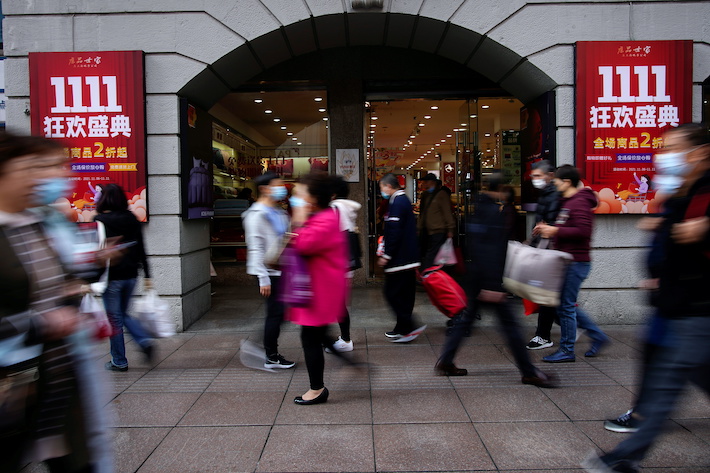
According to the South China Morning Post, most provincial governments in China have raised the minimum wage for workers.
The report said that in the past year, 27 of the 31 provinces in the mainland have raised their minimum wage standards, with some of the increases reaching double digits. The calculation is based on data released by the Ministry of Human Resources and Social Security this month.
The move to boost worker wages is part of an effort to spur spending and Beijing’s vow to “invest in people” amid repeated criticism of the government’s focus on exports and sluggish domestic consumption.
See also: Thailand to curb gold’s impact on baht amid concerns about ‘grey money’
The targets of local government’s generous financial aid are usually grassroots workers in factories, or people in low-wage positions such as janitors and cleaners.
But payment levels vary with provinces setting their own minimum wage levels.
deflation Slowing growth has become a bigger problem for China in recent years, but analysts believe the government has begun to recognize the need Promote consumption — as the International Monetary Fund urged late last year — through local revenues.
Report Data released by the National Bureau of Statistics on Monday showed that China’s per capita disposable income will reach 43,377 yuan ($6,229) in 2025, a year-on-year increase of 5%.
The report said, “Per capita wage income alone increased by 5.3% year-on-year to 24,555 yuan, accounting for 56.6% of residents’ disposable income, a slight increase from 56.5% in 2024.”
The commercial capital Shanghai has the highest per capita disposable income of residents, followed by Beijing (over 89,000 yuan), followed by Zhejiang, Jiangsu, Tianjin, Guangdong and Fujian. The per capita disposable income in the remaining 24 provinces is less than 50,000 yuan.
See also:
Half of global CO2 emissions come from 32 companies: report
Reserve Bank of India “Proposes Digital Currency Linking BRICS Countries”
Canada’s green light for Chinese EVs could give Tesla a boost
To vigorously develop renewable energy, China will spend US$574 billion to build power grids
Coal power use in China and India falls for first time in half a century
The International Monetary Fund tells China: Cut exports, increase consumption, and “let go of the zombies”
Foreign companies struggle amid China’s recession and trade war