The Tamesis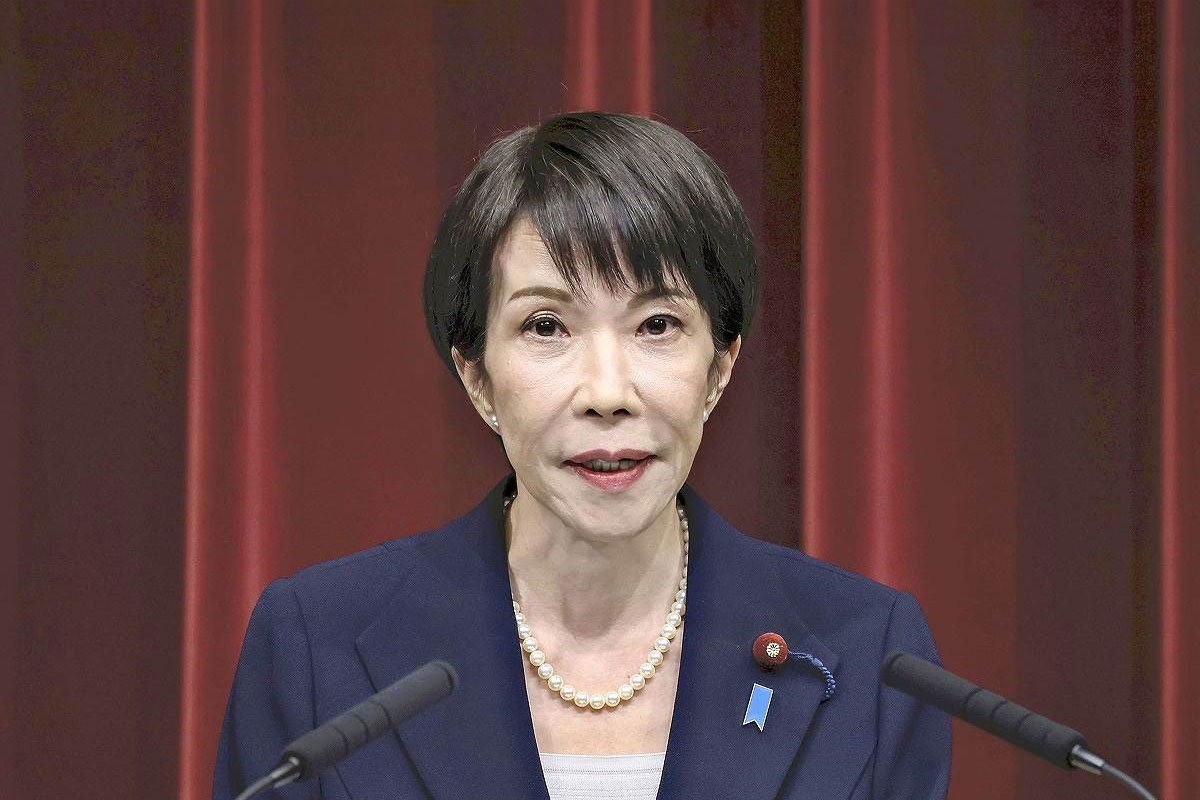
January 20, 2026
Tokyo– Japanese Prime Minister Sanae Takaichi announced on Monday that she will dissolve the House of Representatives on Friday and hold snap elections on February 8 to seek public authorization for her Liberal Democratic Party to form a coalition government with the Japan Innovation Party.
“I think it’s time for the sovereign people to decide whether I should be prime minister,” Takaichi said.
She said the official campaign will begin on January 27, with candidate lists to be submitted that day, and the election will be held on February 8. This will be the first general election since the Liberal Democratic Party and the Japan Independence Party formed an alliance in October.
The time between dissolution and Election Day will be just 16 days, the shortest House election since the end of World War II. Political parties have accelerated the selection of potential candidates and the formulation of campaign promises for the short campaign period.
Gao Yi said at a press conference that the threshold for victory is that the ruling coalition obtains a majority of seats in the House of Representatives, which means winning at least 233 of the 465 seats in the House of Representatives.
In the House of Representatives election in October 2024 under the leadership of then Prime Minister Shigeru Ishiba, the ruling coalition of the Liberal Democratic Party and Komeito suffered a disastrous defeat, and the total number of seats fell below the majority.
In the upcoming general election, the newly formed centrist reform alliance of Japan’s Cadets and Komeito is likely to lead the opposition in challenging the LDP-Japan Independence Party alliance.
A key point of contention during the campaign is likely to be measures to combat rising prices, which voters care deeply about. Some political parties advocate measures to deal with high prices, such as lowering consumption taxes.
The debate over the City’s “responsible and proactive public finance” approach to fiscal management is likely to intensify during the election campaign. The same goes for advancing the revision of the National Defense Strategy and two other security-related documents, as well as the issue of enhancing national defense capabilities.
With House elections set to take place in February, the FY 2026 budget is unlikely to be passed before the end of FY 2025. The government and the ruling party intend to solve this problem by preparing a stopgap budget.
Opposition parties criticized the government and the ruling party for creating a political vacuum. “[Takaichi] Disregarding human life without justifiable reasons [for holding a general election]” said Yoshihiko Noda, leader of the China Democratic Party.