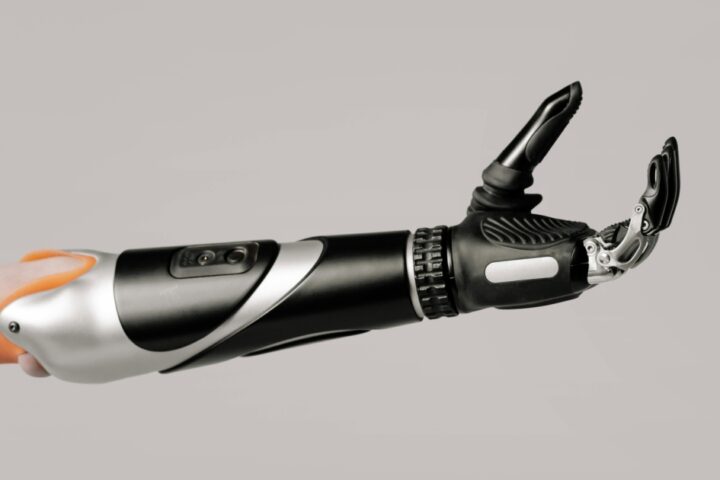
The Tamesis
Its use in cardiac, neurocritical care, and post-arrest care continues to grow.
According to Verified Market Reports, the global intravascular temperature management (IVTM) market is expected to grow at a CAGR of 8.9% from 2026 to 2033, reaching a value of USD 250 million by the end of the forecast period.
Asia Pacific is the fastest growing region, driven by rapid urbanization and healthcare modernization initiatives in parts of China, India, Southeast Asia and Oceania.
North America and Europe dominate the market with advanced critical care infrastructure and centralized healthcare systems, while IVTM adoption in the Middle East is supported by national investments in world-class healthcare facilities.
Latin America and parts of Africa are still nascent but are strategically important in the long term.
Clinical standardization of target temperature management is one of the key drivers of market growth as IVTM systems are increasingly embedded in post-cardiac arrest, neurocritical care, and complex cardiac surgical protocols.
The market is also moving away from single-use hypothermia indications and towards broader applications such as active fever management in sepsis, stroke and traumatic brain injury, which increases the addressable patient volume and supports recurring revenue models associated with single-use products.
Manufacturers are launching smart solutions with predictive algorithms, real-time feedback, and integration with ICU monitoring platforms to reduce clinician workload, increase protocol compliance, and create defensible differentiation.
Clearer clinical guidelines and bundled payment models in parts of North America and Europe are lowering barriers to adoption, and providers are better able to align product claims with evidence-based results to accelerate market penetration strategies.
Despite the growth, barriers to adoption remain as IVTM systems cost more than disposable catheters and are considered invasive due to potential infection risks.
Differences in clinical guidelines across regions may slow adoption of IVTM for new applications, such as sepsis-related fever control.
Market leaders are now moving from devices to integrated treatment ecosystems, bundling catheters, consoles, service contracts and data analytics to deliver long-term customer value by 2033.