The Tamesis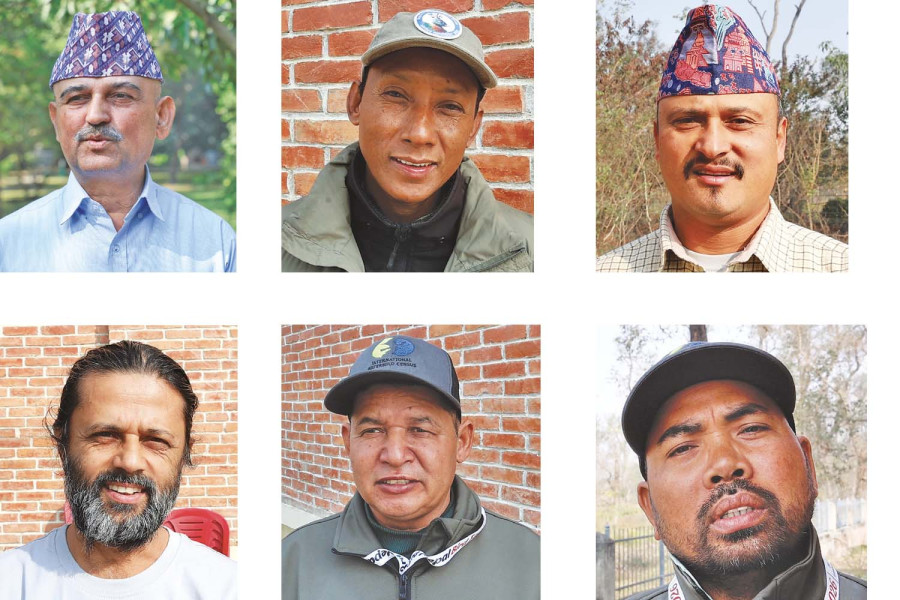
Lumbini – Infrastructure development dominates speeches and poll manifestos as political parties step up campaigning ahead of the March 5 elections, while issues of nature conservation, ecotourism and climate resilience remain largely ignored.
Although ecotourism is widely recognized as an important pillar of national development, economic growth, cultural preservation and job creation, electoral promises still prioritize physical infrastructure over environmental sustainability. Environmentalists and stakeholders warn that long-term ecological concerns are being ignored in the rush to roll out projects that win votes.
“Nepal has huge potential as one of the best ecotourism destinations in the world,” said Raju Acharya, World Owl Trust Nepal representative and winner of the prestigious Wheatley Award. “Our geographical diversity – from the Himalayas to Thalai – globally renowned natural beauty, birds, wildlife, cultural heritage and spiritual traditions put us in a unique position. But there is insufficient awareness among political parties about the importance of protected areas. Without this awareness, appropriate policies cannot be formulated,” he lamented.
Acharya said many leaders are reluctant to speak strongly about environmental protection measures, fearing it could be seen as hindering development. “There is a perception that roads and concrete structures alone define progress. However, the air we breathe and the forests that sustain us are equally important. Without this awareness, conservation falls by the wayside,” he said.
Despite its small size, Nepal is considered a global biodiversity hotspot. About 350 species of plants and 160 species of animals found in the country are endemic to the country. Nearly nine percent of the world’s bird species and about two percent of its flowering plant species are recorded in the country. The country is home to 903 species of birds and more than 695 species of butterflies, reflecting significant ecological changes from plains to mountains.
Conservation advocates argue, however, that this natural wealth rarely figures prominently in election campaigns. Ram Shahi, former president of the Badia Nature Guides Association, said investment in conservation would not yield immediate political dividends. “The rewards of conservation take time. That’s why political parties focus on projects that can quickly reach voters. But without protecting nature, tourism cannot thrive and prosperity will be elusive,” Shahi said.
Various reports indicate that more than 60% of foreign tourists in Nepal include national parks and protected areas in their itineraries. Wildlife sanctuaries and protected areas remain important attractions, but policy clarity, improved infrastructure within protected areas and stronger local participation are often missing.
Community leaders have expressed similar concerns. DB Chaudhary, coordinator of the management committee of the world’s first community-run Jatayu (Vulture) restaurant in Nawalpur, said political parties have failed to consider environmental protection as a shared responsibility. “We survive because of nature. We know we cannot survive without it, but we fail to translate this knowledge into policy and planning,” he said. “Sustainable conservation cannot be achieved without clear policies.”
Environmental experts also highlight the growing toll from pollution and climate change. Air pollution is estimated to cause about 42,000 premature deaths in Nepal every year. Melting glaciers, erratic rainfall and extreme weather events related to climate change are already affecting mountain communities and downstream populations. Despite this, parties rarely emphasize mitigation or adaptation strategies in their declarations.
Senior ornithologist and wildlife expert Hem Sagar Baral said leaders seemed to forget that environmental degradation directly affects public health. “Issues like clean air and biodiversity protection have a direct impact on people’s well-being. Whichever party comes up with a credible plan for bird, wildlife and conservation, nature will have our attention,” Baral said.
Environmentalists say that while the benefits of environmental investments may take 10 to 20 years to show, infrastructure projects can show them immediately. “That’s why political parties and their leaders favor roads and buildings. But the long-term national interest lies in conserving natural resources,” said Hirulal Dagaura, an ornithologist in Kailali.
Environmentalists believe reducing pollution, protecting biodiversity and ensuring the benefits of ecotourism reach rural communities must become policy priorities. Expanding ecotourism infrastructure in remote areas and promoting the sustainable use of natural resources can significantly increase local incomes.
Manashant Ghimire, former president of the Pokhara Bird Society, said ecotourism is now one of the fastest-growing sectors in the global tourism industry due to growing public interest in nature-friendly tourism. “The soul of Nepal’s tourism industry is ecotourism. Political commitment alone is not enough. We need a clear action plan, guaranteed budget and accountability,” said Ghimire.
Nepal receives about 1 million foreign tourists every year, and stakeholders believe this number could double or triple if coherent conservation-focused policies are adopted. They warn that if environmental priorities are not put on the electoral agenda, the country risks destroying assets that attract tourists and sustain livelihoods. As a result, conservation advocates are urging that nature and conservation issues be placed at the top of the electoral agenda.