The Tamesis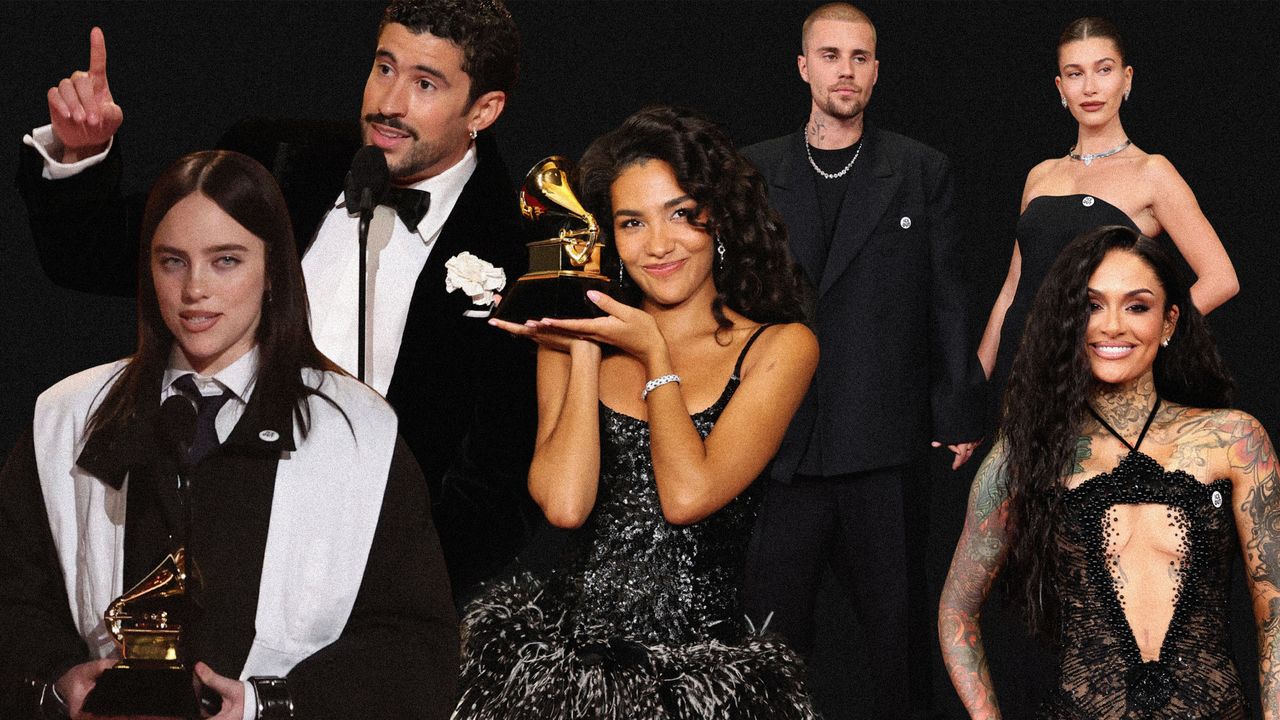
As things continue to heat up, with companies on strike and celebrities speaking out, bigger brands and conglomerates are facing a tougher situation than they expected as consumers evaluate whether they align with their own views and values. One can’t help but think back to 2020 — the last time there was a cross-industry strike in the U.S. — when brands big and small spoke out about racism in America. Nike took a stance with its “For Once, Don’t Do It” campaign, and designers including Alessandro Michele (then at Gucci) and Marc Jacobs expressed solidarity with the Black Lives Matter movement on their personal accounts.
But the brand has gone relatively quiet since then. These days, it’s rare to see fashion brands speaking out about political issues — especially those backed by conglomerates. Still, 71% of consumers say brands “must take a political stance,” according to Edelman research. When a brand fails to communicate its actions on social issues, 51% of Edelman survey respondents said they “believe it means the brand is taking no action or is hiding something.”
This is especially true at this moment. Designer and founder Casey Larkin Blond said she was a little surprised that customers welcomed Mr. Larkin’s closing on Friday because she has made negative comments about political content in the past. “People write to me all the time, ‘Why don’t you stick to fashion?’ and things like that… even the less radical things. But now there’s nothing,” she said. “I think people are really paying attention.”
However, speaking out can be risky, says Sam Cummins, co-host of the fashion and culture podcast Nymphet Alumni. “It’s tricky to draw attention to a brand’s ethical values because it’s very common for brands, especially big brands, to have some nastiness,” she said. “Consumers are often skeptical of brand solidarity.”
It’s even less simple than it was six years ago. With conservatism still so important in the cultural landscape, brands risk alienating a large and outspoken group of consumers if they take a strong and clear stance in the other direction. Most notably, fashion companies operate in an environment where they fear the repercussions if they espouse sentiments that are at odds with those in power. Yet when it comes to human rights, do brands have to speak out?
responsibility
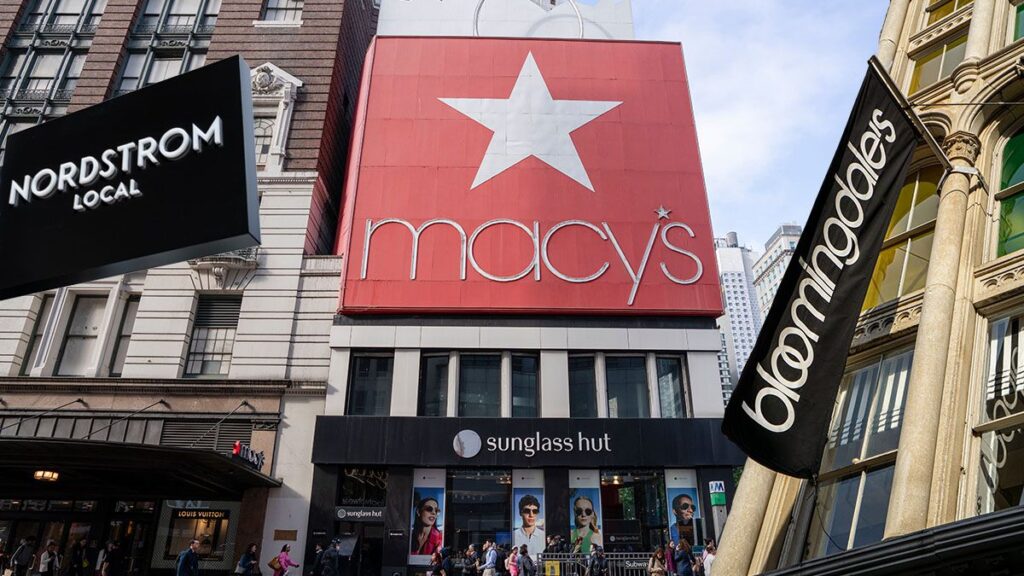
Fashion is a capitalist industry, and big brands with huge customer bases that span the political spectrum have more to lose if they take a stance on political issues. Arnell said smaller, independent businesses are more nimble. “They can make decisions faster to make the most of the opportunities in front of them. They can autonomously align their brand with the values of their audience (or target audience),” she said. Large multinational luxury brands, on the other hand, appear more cautious with their makeup. “They have board issues and operational issues, and the focus on the cultural moment will be through a risk management lens.”