The Tamesis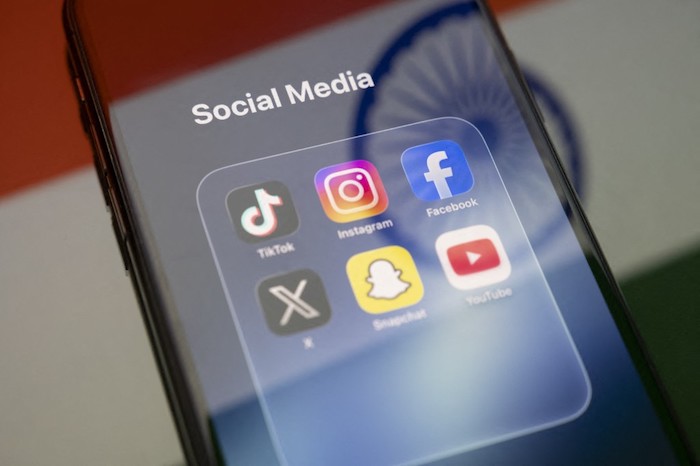
India’s Modi government will impose stricter rules on the use of artificial intelligence on social media in a bid to combat a surge of misinformation. It is also considering banning children from social media.
The first step is aimed at countering a growing wave of fake videos and other fraudulent and abusive content, but it also raises warnings of censorship and the erosion of digital freedoms.
The new rules will come into effect on Friday (February 20) – the last day of international competition Artificial Intelligence Summit In New Delhi, which will be attended by the world’s leading tech figures, it will significantly shorten the time it takes for platforms to remove content deemed problematic.
Also read: India’s Adani Group plans to spend $100 billion on data centers by 2035
The proliferation of false content
India, with more than 1 billion internet users, is grappling with artificial intelligence-generated disinformation flooding social media.
Companies such as Instagram, Facebook and X will have 3 hoursreduced from 36 to comply with government removal orders to stop damaging posts from spreading rapidly.
Tighter regulations in the world’s most populous country have increased pressure on social media giants, which face growing public anxiety and regulatory scrutiny around the world over misuse of artificial intelligence, including the spread of misinformation and child pornography images.
But human rights groups say stricter regulation of artificial intelligence could erode free speech if applied too broadly.
India, under Prime Minister Narendra Modi, has faced accusations from rights groups targeting activists and opponents of restricting free speech, which his government denies.
The country has also slipped in global press freedom rankings during his tenure.
Digital rights group the Internet Freedom Foundation (IFF) said the compressed time for social media takedown notices would force platforms to become “rapid censors”.
AI-manipulated media must be labeled
Last year, the Indian government launched an online portal called Sahyog (Hindi for “cooperation”) to automate the process of sending takedown notices to platforms like X and Facebook.
The latest rules have been expanded to apply to content “created, generated, modified or altered by any computer resource,” except for material changed during routine or good faith editing.
Platforms must now clearly and permanently mark synthetic or AI-manipulated media with a mark that cannot be removed or suppressed.
Under the new rules, problematic content can disappear almost immediately upon notification from the government.
IFF chief Apar Gupta said the timeline was “so tight that meaningful manual review at scale becomes structurally impossible”.
He added that the system “decisively shifts control away from users” and “grievance processes and appeals run slower,” Gupta added.
“Automatic censorship”
Most internet users are not informed of authorities’ orders to remove their content.
“This is automatic censorship,” digital rights activist Nikhil Pahwa told AFP.
The rules also require platforms to deploy automated tools to prevent the spread of illegal content, including forged documents and sexually abusive material.
“Unique identifiers are unenforceable,” Pahwa added. “It’s impossible to generate infinite amounts of synthetic content.”
Gupta also questioned the effectiveness of the label.
“Metadata is often removed when content is edited, compressed, screen-recorded or cross-posted,” he said. “Testing is prone to error.”
Responsibility shifts to the platform
The US-based Center for the Study of Organized Hate (CSOH) warned in a report to the IFF that the laws “may encourage proactive monitoring of content that could lead to collateral censorship” and that platforms may proceed with caution.
The regulation defines synthetic data as information that “appears to be authentic” or “may be deemed to be indistinguishable from a natural person or real-world event.”
Gupta said the changes shift responsibility “upstream” from users to the platforms themselves.
“Users must declare whether content is synthetic and platforms must verify and label it before publishing,” Gupta said.
But he warned that the parameters for deletion were broad and open to interpretation.
“Satire, parody and political commentary using realistic synthetic media can be swept under the rug, especially by risk-averse law enforcement,” Gupta said.
At the same time, the widespread use of artificial intelligence tools has “sparked a new wave of online hate,” with “realistic images, videos, and cartoons reinforcing and reproducing harmful stereotypes,” the CSOH report adds.
In the latest high-profile case, Elon Musk’s AI chatbot Grok sparked outrage in January after it was used to make millions of dollars. Pornographic images of women and childrenallows users to alter online images of real people.
“The government must take action because the platforms are behaving irresponsibly,” Pawar said. “But rules are thoughtless.”
Age limits are also controversial
Meanwhile, India is discussing age-based restrictions with social media companies, IT Minister Ashwini Vaishnaw said on Tuesday. Australia, other countries ban teens from popular platforms.
Speaking at a major AI conference in New Delhi, Vaishnaw also said stricter rules on deepfakes were needed, although he also welcomed an expected $200 billion in AI investment over the next two years.
Since December, Australia has required TikTok, YouTube, Snapchat and many other top social media services to delete accounts held by teenagers under 16 or face hefty fines.
Last month, French lawmakers passed a bill banning social media use by teenagers under 15, which awaits a vote in the Senate before becoming law.
“Many countries have now accepted that age-based regulation must exist,” Vaishnaw told reporters at the Artificial Intelligence Summit.
“Right now we’re talking about deepfakes, age-based restrictions on various social media platforms and … what is the right way to address this,” he said.
A state minister in the Indian state of Andhra Pradesh has previously said it was preparing to ban children from using social media, but Vishno’s comments are the first national action in the world’s most populous state.
“We need tighter regulation of deepfakes,” Vishno said. “This is a growing problem. There is certainly a need to protect our children and protect our society from these harms.”
- AFP Additional input and editing by Jim Pollard
See also:
India’s new 3-hour content removal requirement ‘impossible’: Experts
Tech leaders fly to India for AI summit amid concerns
Researchers say artificial intelligence doesn’t make work easier, it just makes it harder
Australia social media ban blocks 4.7 million teen accounts
China and U.S. opt out of global commitment to military use of artificial intelligence
Meta tolerates billions in Chinese scams and fraudulent ad revenue
DeepSeek researchers are pessimistic about AI’s impact on humanity
TikTok comes under fire from US law for ‘harmful’ impact on children
U.S. poll shows nearly half of Gen Z wish TikTok had never been invented