The Tamesis
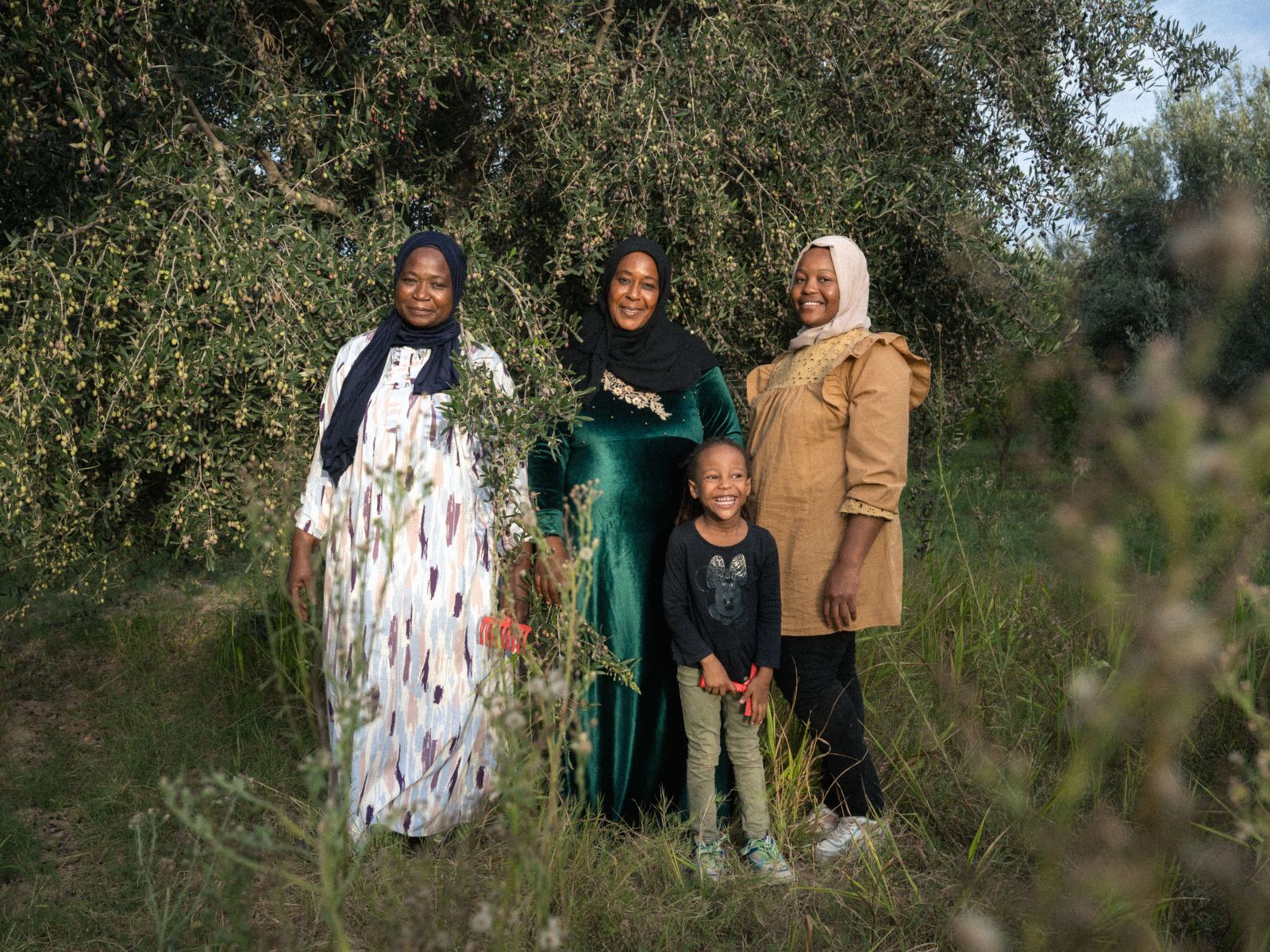
Photo: Clémence Polès
That all began to change in 1995, when the government monopoly finally ended and private companies were allowed to export. But it wasn’t until 2006, when Tunisia launched its first national strategy to promote Tunisian olive oil, that things really started to change. Back then, only 500 tons of bottles were exported; today, the number is close to 40,000. Today, Tunisia is the world’s second-largest olive oil producer, with production this year alone estimated at 500,000 tons (Spain ranks first, producing more than 1 million tons). In addition, Tunisia is the world’s largest producer of organic olive oil, with 227,000 hectares (approximately 561,000 acres) of olive oil certified as USDA organic. And since the country does not allow the import of olive oil, everything produced there (including oils from other independent brands like KAÏA and Olivko) is by definition single-origin.

Photo: Clémence Polès

Photo: Clémence Polès
Even so, global recognition has not quite caught up with actual progress. “We still need people to know that Tunisia is an olive oil producer. This is the case,” Duha said. If you ask eL Seed, the situation may also be rooted in something deeper: a Eurocentric worldview. “The fact is that we are also faced with cultural imperialism,” he told me one morning during a walk among the olive groves. “People still want their products to come from Europe, not Africa.” Tacapae, then, is his attempt to change that perception and promote Tunisia’s olive heritage. He strictly adheres to the rules of the harvest process – always take the olives to the mill for pressing on the day of picking; never store oil in clear bottles, as its worst enemy is sunlight – because he knows the risks are high. After all, the quality of a product shapes its larger image.

Photo: Clémence Polès

Photo: Clémence Polès
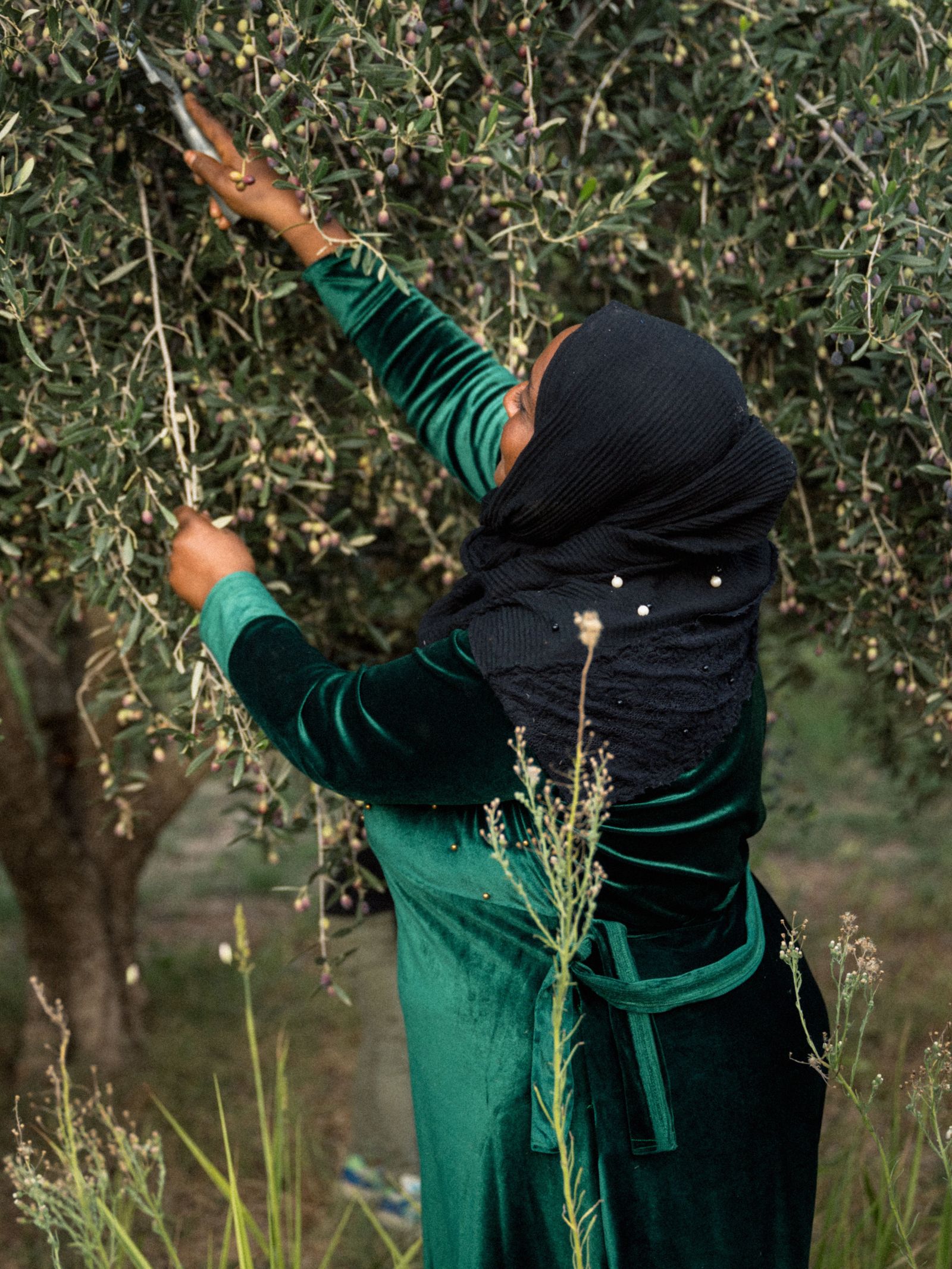
Photo: Clémence Polès

Photo: Clémence Polès
“This is a bigger project than olive oil,” he reflects. “It’s about showing that there are other ways. It’s about showing that everyone matters in this world.” It’s not just the rest of the world he’s trying to convince. “Tacapae, more than anyone else, has a direct message to the community,” he continued. “The more I experience it, the more I realize that my target is not the people from outside, but the people from here. From Gabes. From the south of Tunisia. All the people who sometimes forget their own worth. We tend to satisfy ourselves, accept the minimum… But the first thing I say to people is, this is not enough. Good is not enough. Always remember your worth. “

Photo: Clémence Polès

Photo: Clémence Polès
On the day of the main party event, with a sumptuous lunch for 60 people, I woke up to clear skies and a delightful WhatsApp message from the eL Seed brothers saying he would be picking up me and our photographer Clémence around 3pm (eL Seed may have started Tacapae, but I soon realized this is very much a family affair.) When we arrived, the modest farm where we had spent the past few days wandering had been transformed into festive colors. With guests dressed in their finest—dark green velvets, soft linens, gold necklaces bathed in the afternoon sun—eL Seed and his team scattered jewel-toned pillows and cushions beneath the olive trees so people could rest between courses. eL Seed specially hired French-Moroccan chef Valentin Amine Raffali, who cooked lunch in a traditional earth oven, and we enjoyed a sumptuous feast on the grass, plates on our laps. Alushferkola (Slow Braised Lamb), Liguta (smoked ricotta cheese on olive branches), Omekhuria (carrot puree with garlic and harissa) and more, including lots of fresh olive oil. Everyone I spoke to seemed to be involved in some kind of interesting creative project, although that wasn’t the focus, which was the real testament to a great party. Who wants to talk about “what do you do” when there’s delicious food to eat, olive trees to lie down on, and young children to chase in the golden grass?

Photo: Clémence Polès

Photo: Clémence Polès
But what struck me most was the last night of the trip, a few days after the hustle and bustle of the main event had subsided. eL Seed, Clémence and I decided to take a last hour stroll through the olive groves, reflecting on the time we had just spent together. We sat down under an old olive tree as the sun began to set, and for a while we didn’t speak. Just staring out at the land. When I finally asked eL Seed what he was thinking about, he said he was reminded of a quote by the French writer Jean Cocteau: There is no love, only proof of love.
“It’s good to talk,” he said, “but I want someone to show me that they love me. That’s what I try to do with my land. People always say, ‘I love my land,’ and I say fine, but what are you going to do about it? It’s important to do something for this place that means a lot to you. I’m proud to be from here, and that’s why I do all this. Harvest parties, oil, everything. It’s all for this place that I love.”