The Tamesis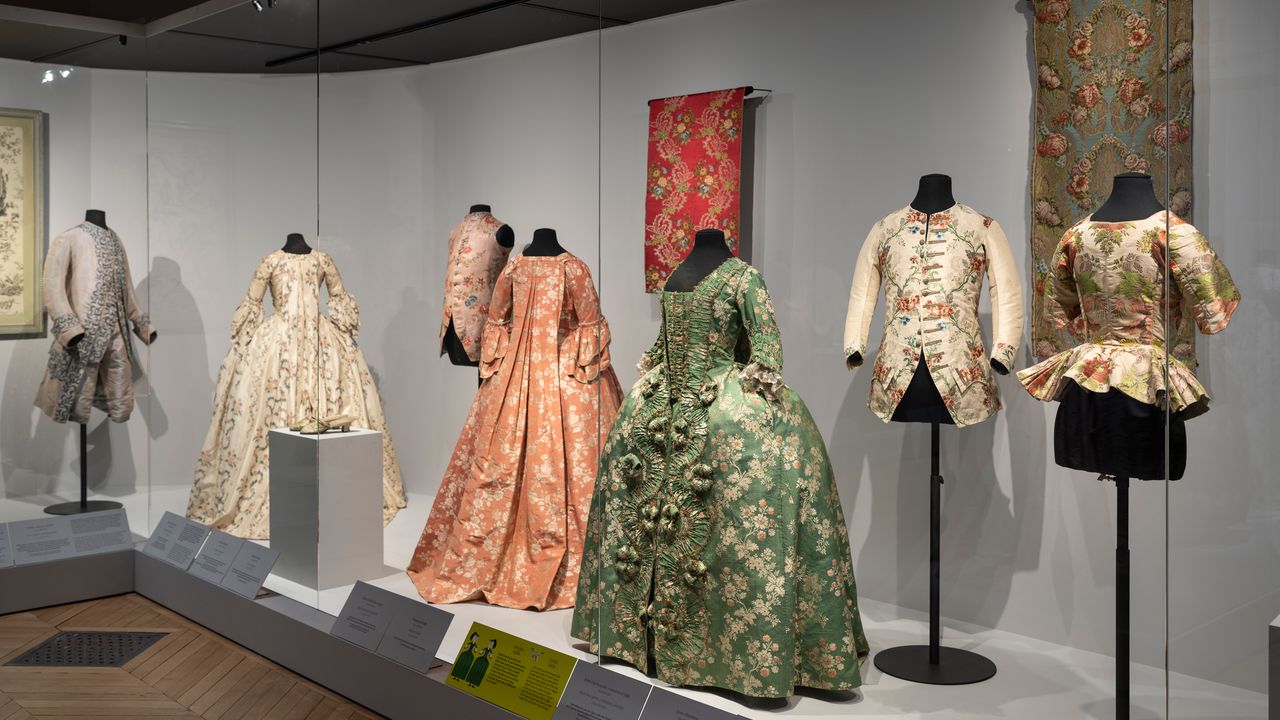
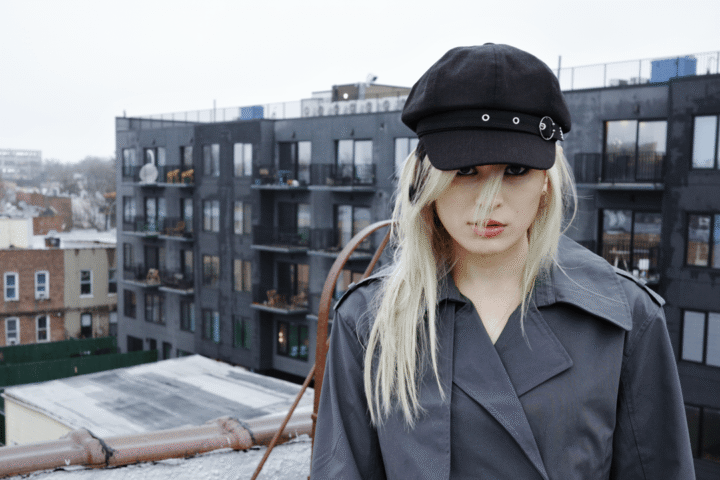
That’s why the exhibition’s promotional materials don’t show the grand gowns of the Rococo Fantasy – a green silk brocade with coral and beige botanical patterns – or even the exhibition’s emotional core – a small and relatively humble corset worn by the young Marie Antoinette. Instead, their protagonists are an entirely different kind of royal: In a portrait captured by photographer Eric Magnussen, Utica Queen, whose real name is Ethan David Mundt, is a favorite from “RuPaul’s Drag Race” (Season 13).
“Before the 18th century came to us, it was already being revisited, transformed and imagined in theater and art,” said Pascale Gorguet Ballesteros, curator of the exhibition and head of the 17th and 18th Century Costumes and Dolls Department. “You see pastel wigs, pastel clothes, lace, roses, and you know we’re talking about the 18th century.”
In the opening presentation, women’s fashion was a revolution in itself. The body becomes a decorative canvas, defined by man-made structures, framed by exquisitely embroidered silks and brocades, and embellished with layers upon layers of opulent fabrics and trims. Stylish robes as the room progresses French, Englishand Piedmontese— whose back piece made it fashion’s first shape-shifting hybrid dress — gave way to the narrow and simplified silhouettes that would prevail during the next 150 years of political upheaval and social change.
One of the constants is the Rose of Pompadour, which reappeared in the 19th century when conservatism was rising and the bourgeoisie sought the more reassuring values of the ancien régime. But Gogete Ballesteros points out that this bloom is not nostalgia: it is a political statement, symbolizing a world lost in the unbearable present. A corset by belle époque dancer Cléo de Mérode embodied this fantasy, all blush and ivory silk-satin, with Venetian dot lace and delicate silk embroidery. While the piece may not contain anything historically accurate, the emotional message is there.
The message resonated as the show culminated in shows of fashions past and present. Introduced in the fall of 1957, a Givenchy evening gown in gray taffeta with a pleated back and sculptural hem seemed to be in direct dialogue with everything that had come before, recalling postwar haute couture’s fascination with the 18th century, which was as political as it was aesthetic. Other love letters to French heritage include embroidered couture garments from Galliano’s fall 2007 “Bal des Artistes” collection in icy blue filament taffeta, tulle and layered ruffles. Ghesquière’s Redingote from the Spring 2018 collection for Louis Vuitton pays homage to the runway with sports shorts and sneakers French custom. Straight from the spring runways, the Pompadour gown is the opening look of Vivienne Westwood’s 2026 bridal collection, a reinterpretation of the late designer’s favorite dress.
“The 18th century was more comfortable than ever,” said Gorguet Ballesteros. “When you live in anxious times, bright colors and happy colors can be soothing. Aesthetic emotions and beauty can relieve stress.”
“Fashion in the 18th Century: The Legacy of the Imaginary” runs until July 12, 2026 at Palais Galliera, 10 Avenue Pierre IWell Paris 16 Serbiath district.
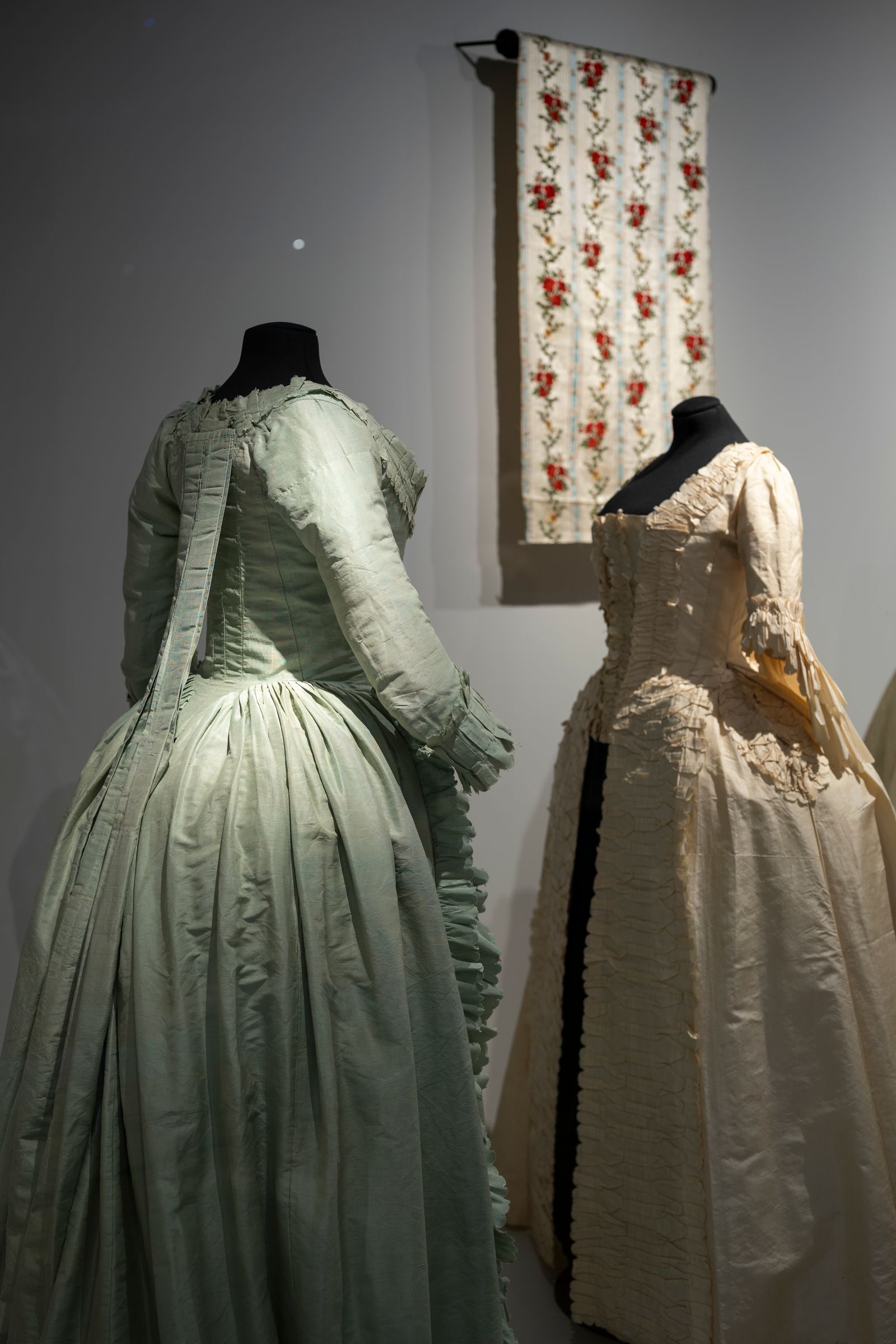
Photo: Nicolas Borel/Courtesy of Palais Galiera