The Tamesis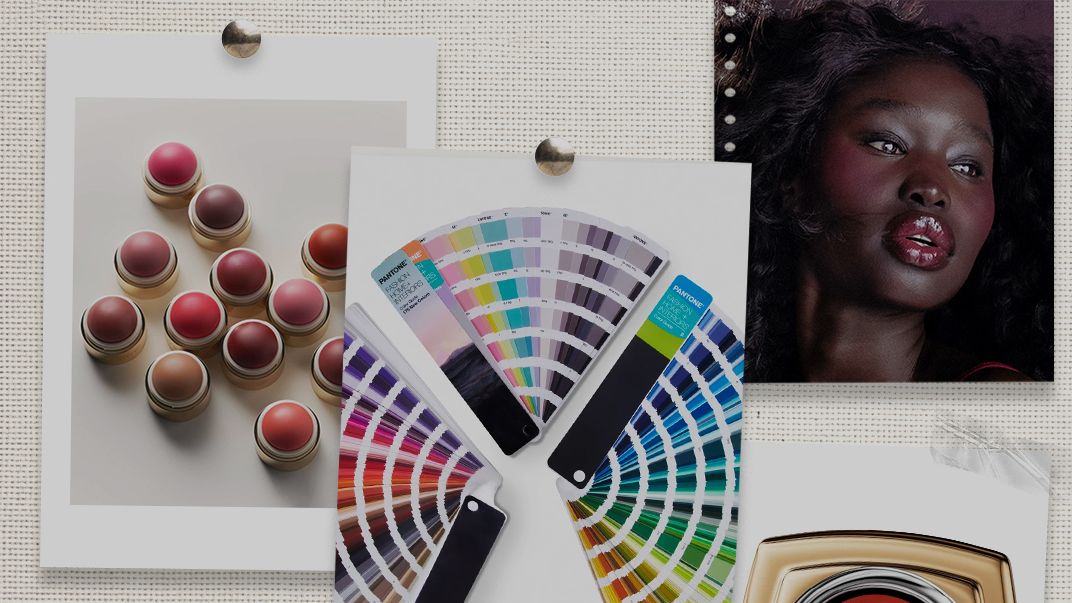
I’ve been thinking about color a lot lately – what color lip liner will accentuate my lips, what color paint will look best on the walls of my new apartment, what kind of heels will match my favorite outfit. I even fell down the TikTok rabbit hole late one night—I couldn’t escape the seasonal color palette videos. You know the ones: Consultants draped a series of colorful scarves (called “flags”) around subjects’ shoulders to study which colors enhanced their skin tones and which colors dulled them; a process that dates back to 1942, when color theorist Suzanne Caygill introduced the framework. It later gained popularity through Carole Jackson’s 1980 bestseller Color Me Beautiful, which simplified the process for everyday use.
The appeal is obvious: Certain colors effortlessly bring compliments, while others do the opposite and make us look overshadowed. Over time, the system has become more precise—expanding from four seasons to 16 nuanced subcategories, allowing for a more personalized understanding of color and how a palette subtly bridges seasonal boundaries. This framework usually provides suggestions for one’s wardrobe choices, but why not makeup?
Many leading makeup artists in the industry do this; according to them, proper color analysis will tell you how to choose certain cosmetic shades. “Undertone is one of the most important reference points when I’m choosing blush or lipstick, especially when my goal is to create something that feels effortless and believable on the skin,” says professional makeup artist Tyron Machhausen Fashion. “It’s less about limitations and more about discovering what makes your complexion feel the most radiant.”
Vogue’s most popular makeup shades
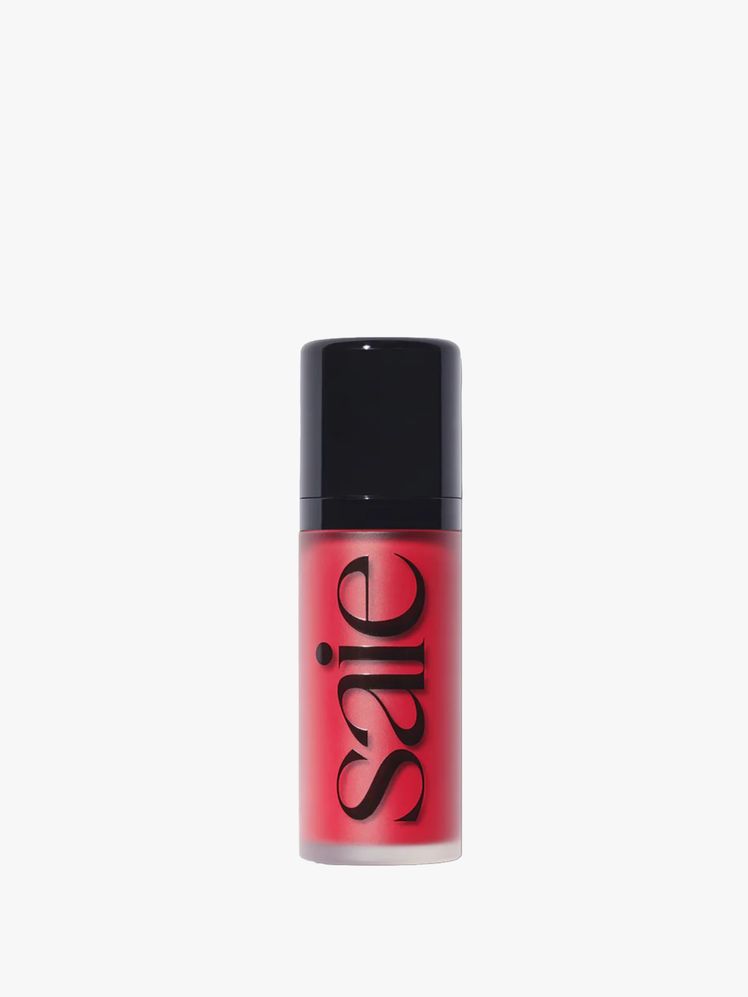
Saie Dew Blush by Cherie
Read more
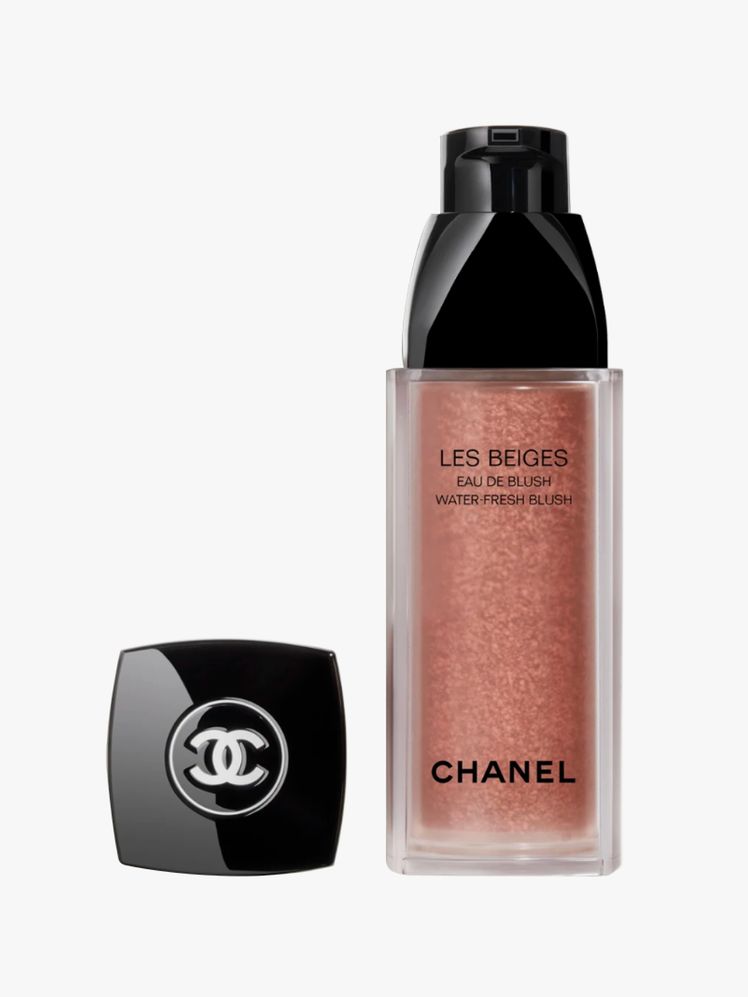
Chanel hydrating blush
Read more
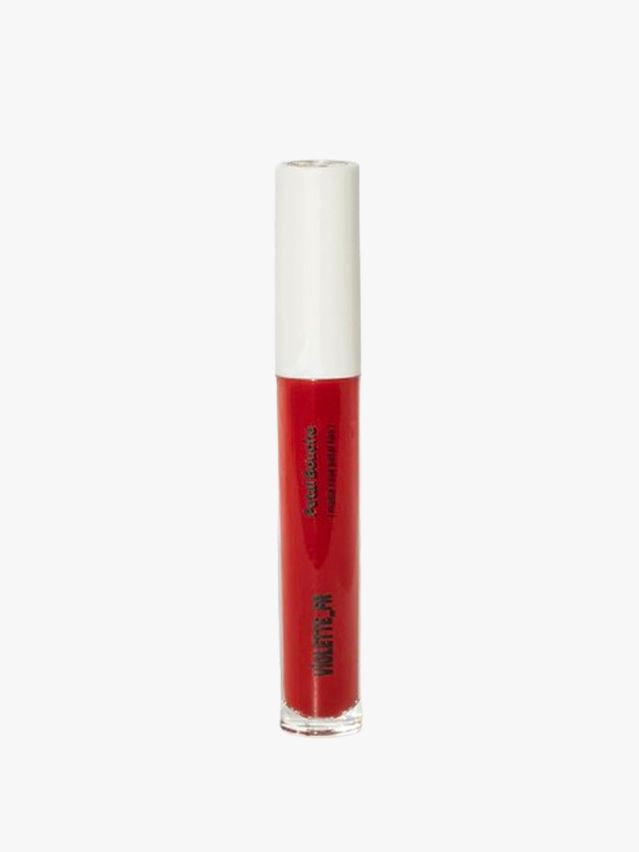
Violette_FR Petal Bouche Matte in Amour Fou
Read more
Luckily, I quickly secured an appointment with Megan Bentley, known professionally as The Color Countess, at: Fashion Headquarters. I go into my color analysis with a clear theory in mind: I am a deep winter – a conclusion that comes from an unshakable personal belief in which colors suit me best. My evidence is circumstantial at best – very dark hair, a certain visual intensity, and admittedly, intuition doing most of the heavy lifting. Still, when Bentley confirmed the results and officially earmarked me for deep winter, the validation felt oddly triumphant. Defined by depth and contrast, this category sits at the intersection of autumn and winter, balancing subtle warmth with the dominance of cool. Yes, it’s complicated – but there’s good news for those unfamiliar. If you haven’t already had it professionally analyzed, Bentley notes that you can approximate your color palette by working within a broader seasonal collection and use that as a solid starting point.
“[The purpose of color analysis] It’s about finding your signature colors: when you wear them, people can’t help but say, ‘It looks great on you’ — and that’s because everything works together,” says Bentley Fashion, Explain that this harmony is identified through a precise three-step process, starting with the bass. “If you look better in cool colors, that means your eumelanin is dominant. But if you look best in warm colors, that means you have more pheomelanin—which is a structural part of your DNA that doesn’t change.” From there, analysts determine your “home season,” carefully comparing the colors of your drape to assess whether you fall into the cool spectrum (summer or winter) or the warm spectrum (fall or spring). Next, Bentley checks the value of the color to see if the client looks better in a light or dark color. Finally, she looks at the intensity of the color to check if the client prefers bright, vibrant tones or more subdued, muted tones.