The Tamesis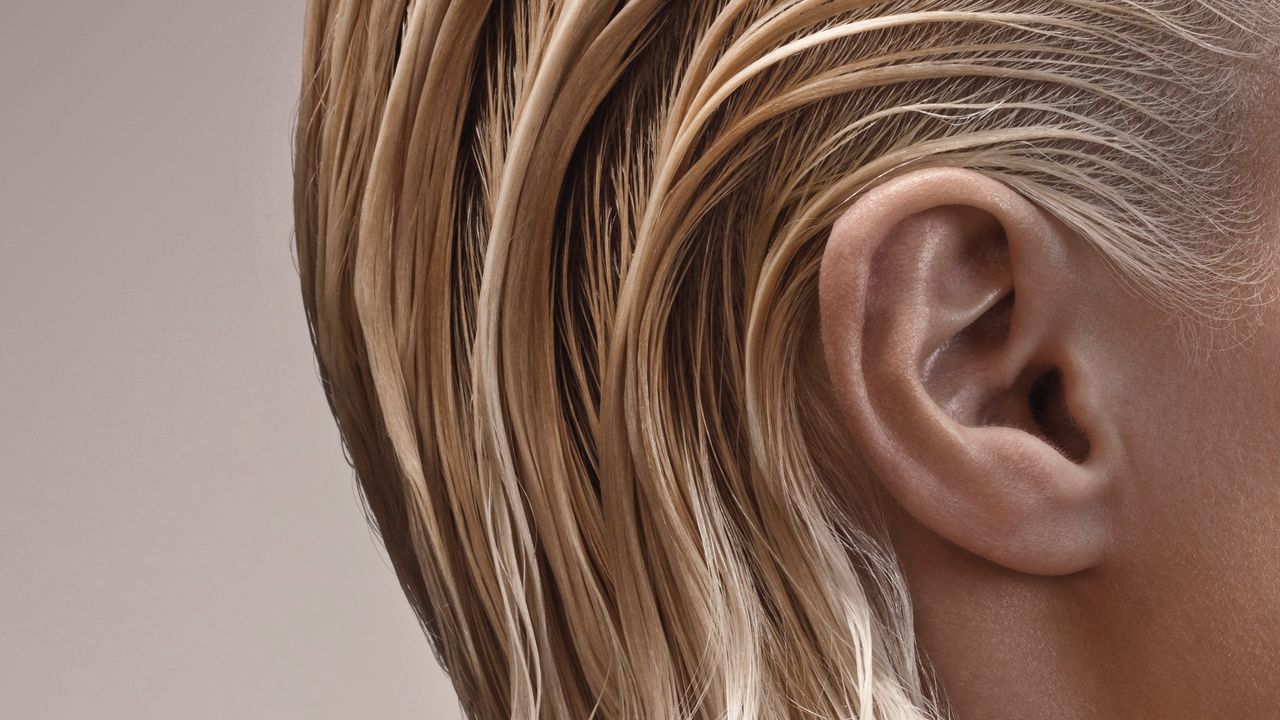
Figuring out how to tell if your hair is thinning is actually an art of careful observation. While you may think hair loss is obvious, the early signs are very subtle and you may miss your window of opportunity to get your hair back to its original fullness and thickness.
But don’t worry: Not only is this a natural process that happens to almost everyone, but it’s also fixable if you catch it in time. “While hair thinning is normal, nearly all cases of thinning hair can be treated by a dermatologist,” says Neera Nathan, MD, board-certified dermatologist and chief dermatology consultant at Vegamour. “It’s completely normal to seek care if you’re feeling distressed.”
The road to fuller, healthier hair starts here, with details on the less obvious signs of thinning hair and how to treat it. Read on to see what the experts have to say.
- Several factors can accelerate or worsen the hair loss process, but the most common are stress, hormones, and age.
- Signs of thinning hair include thinner ponytails, more visible scalp, and brittle strands.
- Using the right hair care products and supplements may help stimulate hair growth. For more severe cases, in-office treatments such as platelet-rich plasma (PRP) therapy may be helpful.
What are the causes of thinning hair?
Several factors can accelerate or worsen the hair loss process. Dr. Nathan says stress, hormones and age are the most common causes of hair loss. Hair and skin health are also indicators of our internal health and immune system. “Vitamin deficiencies and protein deficiencies can lead to thinning hair,” she explains. “The same goes for extreme physical or emotional stress, like childbirth or the loss of a loved one.” Shilpi Khetarpal, MD, FAAD, a board-certified dermatologist and clinical consultant at Great Many, agrees, adding that scalp inflammation, such as psoriasis or seborrheic dermatitis, can also cause hair loss.
Early stages of hair thinning
What does thinning hair actually look like? Most signs of hair loss start very slowly and subtly, and if you don’t monitor these subtle changes, you may miss them. But the five most common issues to watch out for are:
thinner ponytail
If you’re styling a specific hairstyle, especially a ponytail, pay attention to how much hair the headband will fit. Dr. Nathan says if you find yourself wrapping your hair tie around your ponytail more than you used to, it could be a subtle hint that your hair has lost some density.
More visible scalp
This condition occurs in both men and women, but in different parts of the head. Men typically see a receding hairline (“what we call an M-shaped recession of the frontal hairline,” says Dr. Khetarpal) and thinning around the crown of the head. For women, they may notice their natural parts becoming wider or their overall scalp becoming more visible. But this is a gradual change, so you might not notice it right away.
sparse hair
Dr. Nathan says short, thinning hair can also be a sign of hair thinning because it indicates smaller hair follicles. But she points out that thinning hair is often mistaken for breakage, so you may want to pay attention to that.
Fragile and breakable wire
Once your hair starts to become more damaged, you’ll find that it also loses a lot of volume. Dr. Khetarpal adds that for sudden brittle hair, you may want to determine the underlying cause as soon as possible.
fall off
It’s important to distinguish between normal hair loss and hair thinning (some people may even experience both at the same time). How to tell if your hair is falling out or thinning? Shedding is common and it is completely normal to lose approximately 100 to 150 hairs per day. When it becomes excessive, it may be a sign that your hair is thinning. Certified trichologist Bridgette Hill explains that there are many factors that contribute to this condition, including hormonal changes, weight loss, diet, poor nutrition, vitamin and mineral deficiencies, stress, prescription medication intake, products used, and styling habits.
Hair thinning is a gradual loss of hair density or the diameter of individual hair strands, adds Marisa Garshick, MD, a board-certified dermatologist at MDCS Dermatology. “This may be a gradual process that may occur in androgenetic alopecia, as the hair may become finer over time and may result in more scalp exposure, wider sections, or loss of hair volume.”
How to prevent further thinning
The good news is that in most cases, there are several options you can take to help stimulate hair growth. “It’s important to remember that hair loss is what we call multifactorial,” says Dr. Khetarpal. “There are usually multiple factors contributing to the condition, and multiple approaches to treatment are needed to see improvement.” The most common forms of prevention (and treatment) include:
Use the right hair care products
One of the easiest hair loss treatments is a topical solution that you can incorporate into your hair care routine. Dr. Nathan recommends starting with a shampoo that is specifically designed to help stimulate hair growth, and even points to anti-dandruff shampoos as they can help reduce the amount of hair that is shed. Dr. Khetarpal agrees, saying to look for ingredients like zinc pyrithione or ketoconazole.