The Tamesis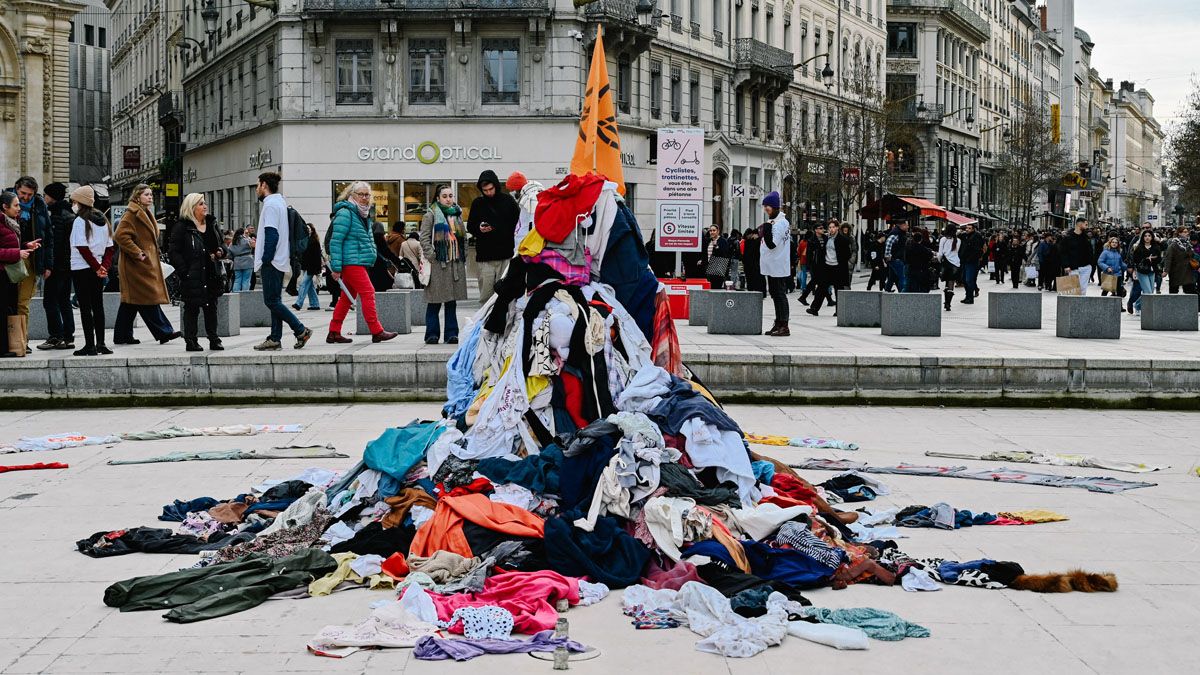
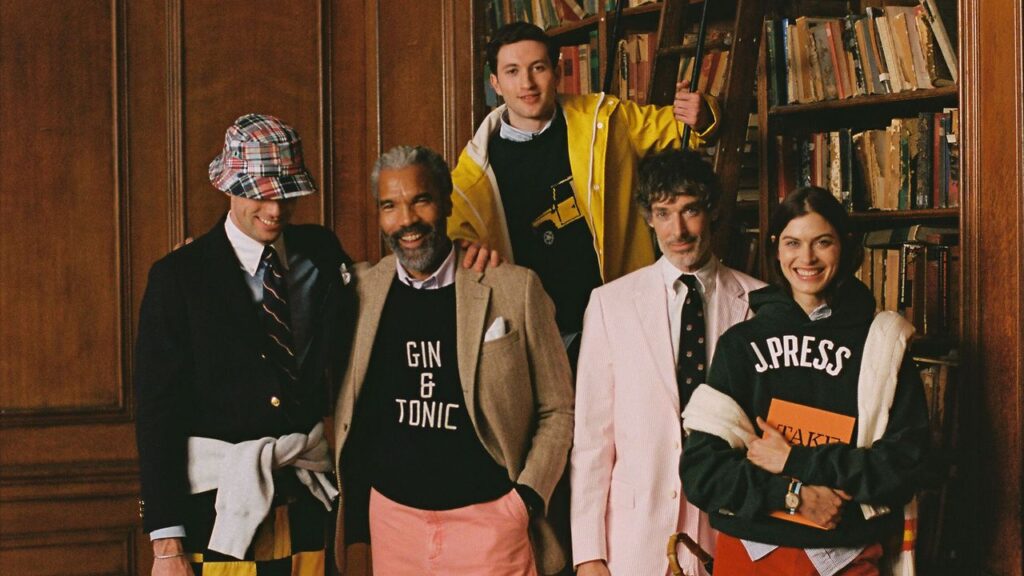
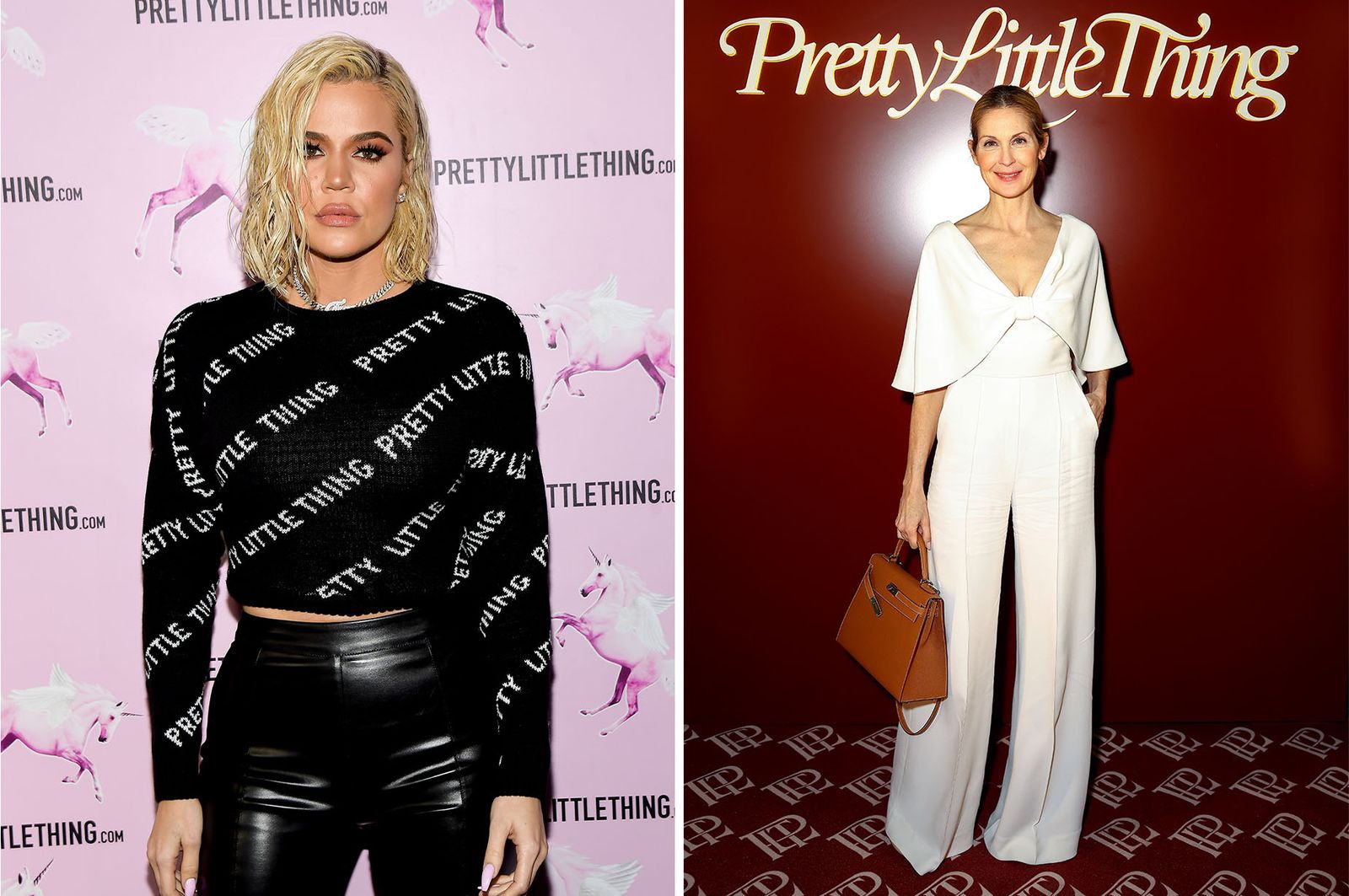
British fast fashion brand PrettyLittleThing is clearly moving away from its pink, playful roots a year after a major rebranding. Gone are the flying unicorn prints, neon sheath dresses and pool party content, replaced by a sophisticated palette of browns and beiges, tailored pieces and stately home settings.
Under the new slogan “Heritage in Progress”, the brand claimed last March that it would “leave ‘fast fashion’ as we currently know it behind” as part of a “comprehensive overhaul”, reducing its product range to focus instead on design, quality and fit. For parent company Debenhams, which also owns fast fashion retailer Boohoo, the rebrand has paid off. Debenhams, which had previously considered selling PrettyLittleThing, confirmed it would keep the brand stable as profits for the year to February 28 are expected to rise to £50m, above forecasts of £45m.
But does its quality match the new quiet luxury aesthetic? Reviews were mixed. Some customers pick up pieces because they feel premium or fit well, while others complain about thin fabrics and poor quality, or no noticeable improvement at all despite price increases. One commenter noted: “If they charge more for these things, it should be some level of improvement to the actual product, not just the look of it.”
A spokesman for PrettlyLittleThing said: “As part of the rebrand and in response to customer shopping needs, we have expanded many of our product ranges over the last year to include eveningwear and occasion wear, which are typically more expensive categories.” fashion business. “We also continue to invest in the quality and construction of our products, which is reflected in pricing.”
PrettyLittleThing isn’t the only company trying to shake off fast fashion associations. From Zara to H&M, the old guard of fast fashion has spent years trying to distance itself from ultra-fast fashion newcomers, resorting to a quiet luxury aesthetic, embracing “height” and launching luxury-adjacent collaborations with respected industry figures. But will the new look be enough? How important is the commitment throughout the supply chain to reduce output and produce higher quality garments under better social and environmental conditions?
These considerations are important if a brand is determined to move upmarket. Steps away from fast fashion involve not just moving away from trends, but also deeper reforms to the types of models that foster overproduction and overconsumption. However, experts say change is possible.
The new face of fast fashion
It makes sense for fast fashion brands to want to adjust their positioning. The industry is now firmly on the radar of regulators, who have sought to stunt its growth with measures such as blocking initial public offerings, imposing per-product surcharges and trialling advertising bans. Given this intense scrutiny and the potential financial consequences, it would be wise to break away from the moniker. Not to mention that original fast fashion brands now find themselves undercut by ultra-fast fashion giants like Shein and Temu, which not only drive down prices but also speed up production even further.