The Tamesis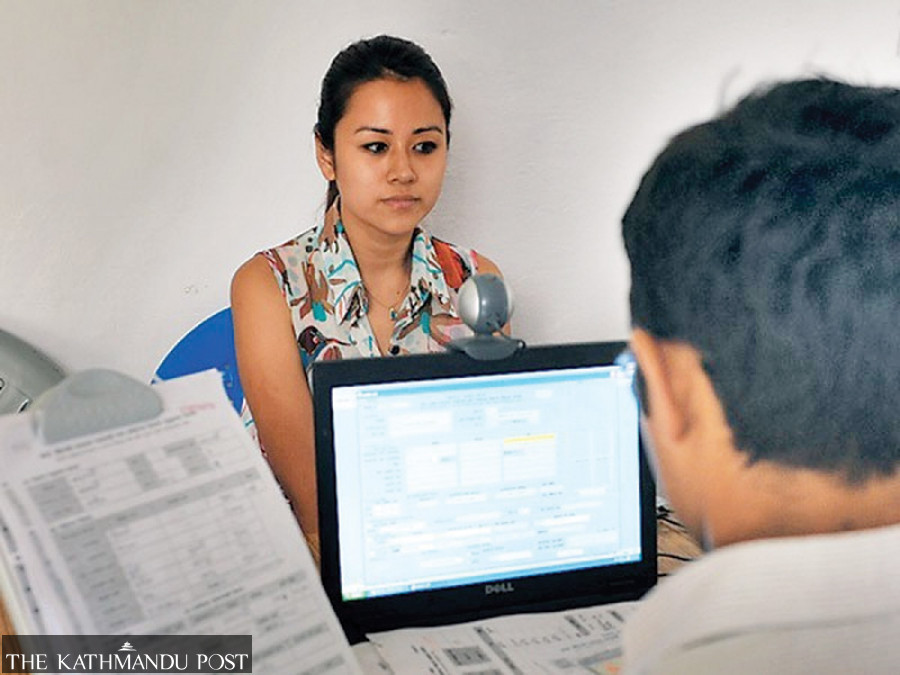
Australian Chamber of Commerce – Junichande rural municipality in Jajarkot district is the poorest among Nepal’s 753 local units, according to government statistics. For Neera Shahi, 24, of the township’s sixth ward, the label is not just a statistic but a harsh reality.
Shahi, who is currently studying for a diploma in pharmacy at Mangalsen Polytechnic in Achem, found herself torn between her career ambitions and the grim prospects back home. The parliamentary election scheduled for March 5 will be her first opportunity to vote.
“I’m learning which medicines to prescribe. But which election will bring medicines to treat the remoteness and poverty of my village?” Neera said in an interview with The Washington Post this week. “We don’t need big dreams. When someone gets sick, we need a reliable route to the hospital and our health posts need basic medicines like paracetamol.”
Her concerns reflect wider challenges – fragile rural road networks that become impassable during the monsoon, health facilities that are understaffed and medicines are often in short supply, and limited local opportunities that lead to youth migration.
Neera complained that Junichand was often described as a recipient of rice subsidies. “During the monsoon, landslides blocked roads and vehicles carrying patients were stranded. Even now, when a woman goes into labor, the only option is to charter a helicopter,” she said. “In poor areas, who can afford to spend hundreds of thousands of rupees? If there is no doctor at the local health post, or even paracetamol, what is the point of me studying pharmacy?”
She lists the necessities her rural municipal government needs: all-weather roads and bridges to help locally harvested herbs and local produce reach markets; well-equipped hospitals with doctors in recognized positions; technical education closer to home; policies to retain local educated youth; an extension of the national grid and reliable internet access.
As campaigning intensifies across the country, first-time voters in some of Nepal’s poorest local units say they are unmoved by lofty slogans. Instead, they raise questions that have persisted for decades: When will roads, reliable health care and meaningful jobs reach their villages?
Sushil Bohara, 18, from Ward 2 of Bajhang Bitthadchir Rural Municipality and a pharmacy student from Mangalsen, shares Neera’s frustration. Like Neera, he will cast his first vote on March 5.
“Our generation (Gen Z) has heard enough promises from leaders, radio, television and parents. We don’t need speakers anymore. We need leaders like doctors who can actually treat the pain of Bajhang,” Sushil said. He believes voters should prioritize competence over party loyalty.
“The bulldozers are coming in the name of development, but instead of connecting villages, the roads are causing landslides,” he said, referring to haphazard rural road construction. “The earthquake not only destroyed houses, but also destroyed people’s confidence. The old parties made history, but they did not change the status quo. The new parties showed vitality, but whether they understand the reality in remote areas remains to be tested.”
Sushil described his vote as an “investment in the future” rather than a blind allegiance to any political party. He believes that voices from Bitachir and other remote settlements can pressure candidates to adopt a concrete development agenda rather than a rhetorical one.
Dabal Budha, another student studying at Mangalsen, had similar views. Darbar, a permanent resident of Ward 4 of Ahemturmakand Rural Municipality, said the persistent poverty problem in the area requires a clear and credible road map. Achem has been consistently ranked as one of the poorest regions in the country, with issues such as population exodus, food insecurity and poor infrastructure regularly highlighted in state reports.
“Plans on paper are nothing new. We have heard a lot. But we have not seen implementation. Now we want results, not slogans,” Darbar said. He stressed the urgent need to upgrade the Mangalsen-Jangalghat-Chisapani stretch and complete the concrete bridge under construction at Jangalghat. “The local economy can only start functioning if roads and bridges are built. We need a representative who will drive projects and not just give speeches,” he reiterated.
As polling day approaches, the aspirations of these first-time voters point to a recurring theme in the country’s democratic journey—that generational change does not automatically solve problems of structural neglect. For the youth of Junichand, Bitachil and Tulmachand, voting is more about survival, dignity and development than ideology.