The Tamesis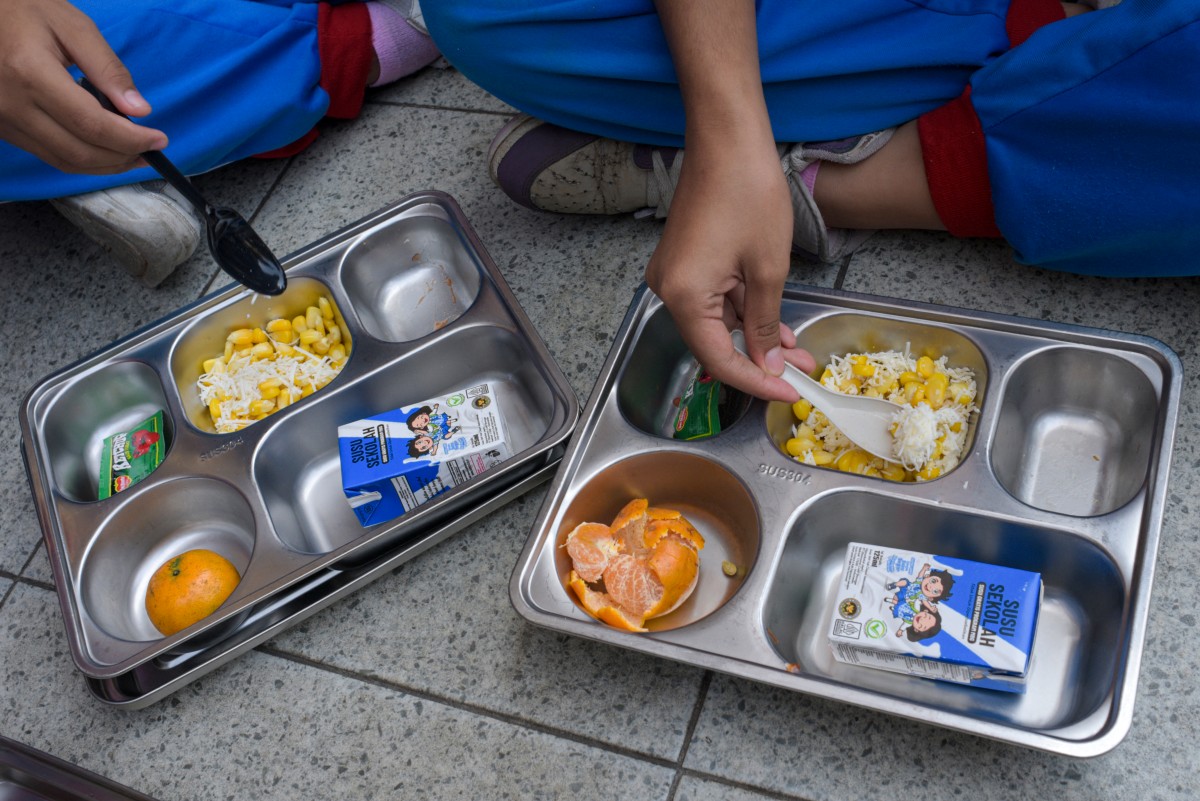
February 19, 2026
jakarta – Like last year, the National Nutrition Bureau (BGN) plans to continue its flagship free meal program during Ramadan, which officially begins today, even though most students in Muslim-majority Indonesia will fast throughout school hours
To accommodate the change in time, the institution has made several adjustments, such as distributing non-perishable items such as bread and cookies for students to eat after sunset. A similar scheme has been devised for the first three days of the Eid holiday to provide students with food packets to take home during the break.
From a logistical perspective, the program is likely to continue uninterrupted. However, a more fundamental question remains: Is sustaining this initiative during Ramadan and extending it into Eid al-Fitr the most effective and responsible use of limited education budgets?
This year’s free meals program is expected to allocate Rp 335 trillion (USD 20 billion), a huge allocation equivalent to 42% of the total national education budget. The spending has drawn harsh criticism from experts, who warn it could undermine efforts to address the country’s ongoing education crisis.
According to BGN, the program costs approximately Rp 1.2 trillion per day. If this situation continues throughout Ramadan and the holidays, expenditures in one month alone will reach approximately Rp 33 trillion. This is a staggering figure at a time when most students are fasting and the government is operating under financial constraints.
Reallocating even a small portion of these funds could have a transformative impact on the state’s education sector: repairing dilapidated classrooms, improving teacher benefits, and expanding opportunities for the millions of students at risk of dropping out due to financial hardship.
The need for infrastructure investment is no longer a matter of aesthetics; it is a matter of safety. Reports of school collapses have become alarmingly frequent. Late last year, dozens of students were injured in three separate structural failures in West Java province. Recently, a widely circulated video showed junior high school students in Thika district, East Nusa Tenggara province, studying in a severely damaged bamboo hut after strong winds destroyed the original structure.
The video shows students sitting on the bare ground struggling to do their homework, a shocking reminder of the deep inequalities in education infrastructure across the archipelago. This year, the government allocated approximately Rp 14 trillion to renovate 11,000 schools. However, this is just a drop in the bucket. With 1.2 million classrooms in 195,000 schools currently in a state of moderate to severe disrepair, current funding only covers about 5.6% of total need.
In addition to physical repairs, funds can be used to expand direct aid to students. The government can almost triple the number of recipients of the Smart Indonesia Card (KIP) scholarship by suspending the free meal program for one month. Last year’s budget of Rp 13.3 trillion supported 18.5 million students; the additional Rp 33 trillion will provide a lifeline to the 3.9 million children currently out of school due to poverty or forced early labor.
Finally, suspending the program could address the chronic underpayment of Indonesia’s 2.6 million honorary teachers. Currently, many earn just 400,000 dong per month, which is only 17% of the country’s minimum wage. Suspending meal plans for one month would fund a full five-month increase in the minimum wage for these teachers, significantly improving their quality of life.
Although nutrition programs play an important role in supporting student well-being, sound public policy requires strategic prioritization of limited resources.
Ramadan is a season of reflection and self-discipline. Now is an appropriate time for policymakers to reflect on their fiscal discipline and consider whether current spending truly meets the most pressing needs of Indonesia’s education system.