The Tamesis
2025 is a turning point for fashion collaborations. Long-standing tools for brands to innovate and surprise shoppers through unexpected partnerships are failing with increasing frequency in an increasingly crowded space. A lot of brands haven’t figured it out yet.
James Whitner said that over the past five years, brands have increasingly relied on collaboration-based economies of scale. The Whitaker Group founder’s brands like A Ma Maniére and APB are no strangers to this, as they often launch collaborations, whether it’s suede Maniére burgundy shoes with Nike or tracksuits with Lanvin. Like many executives, Whitner believes brands’ growing reliance on collaborations is making things more confusing. “People are burned out from collaboration. Scarcity is necessary,” he said.
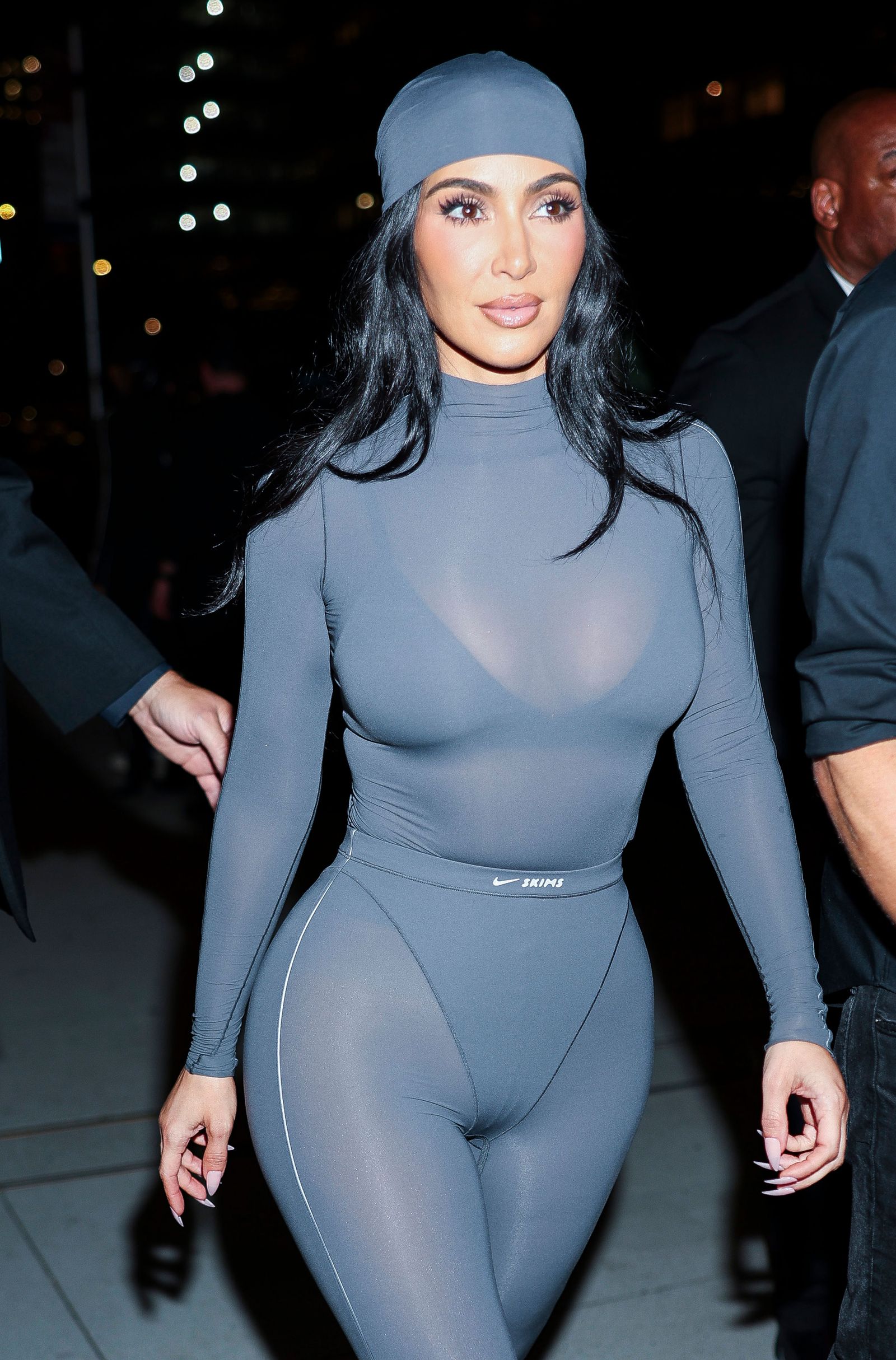
Fashion collaborations need to evolve to be successful in the future. Louis Vuitton’s Takashi Murakami and Skims x Nike reissues may be making waves in 2025, but there are plenty of other products that don’t resonate as much. Why? In today’s environment, collaboration must meet an ever-changing matrix of characteristics in order to excite today’s customers. “It’s not enough to partner with another brand,” said Julia Collier, chief marketing officer at J.Crew. “Audiences and customers are constantly competing for their attention, so creating something fresh and timely is the only way you can stand out.”
Understand your audience to create culture
For collaborations to work in 2026, collaborators must be both meaningful and surprising. “Great collaboration starts with doing your homework,” said Stacy Bereck, global practice leader for consumer insights and brands at Nielsen IQ. “Brands need to have a clear understanding of their target audience…their values, preferences, and even how they view potential partners. The best collaborations are built around shared values between the brand, the collaborator (whether it’s another brand or an influencer), and the audience they want to reach.”
Gap President and CEO Mark Breitbard said good collaboration goes beyond just sales. Good competition also drives culture. “When we look at collaborations, our filter is simple: Is it interesting? Is it unexpected? Is it a vibe? The right partner brings relevance that we can’t create alone,” Breitbard said. And it’s paying off: More than a quarter of customers who buy Gap’s co-branded merchandise in 2025, such as those with Béis, Sandy Liang, Dôen and Harlem’s Fashion Row, will be new to the brand. In Breitbard’s view, “the best collaborations bring new audiences and build brand buzz.”