The Tamesis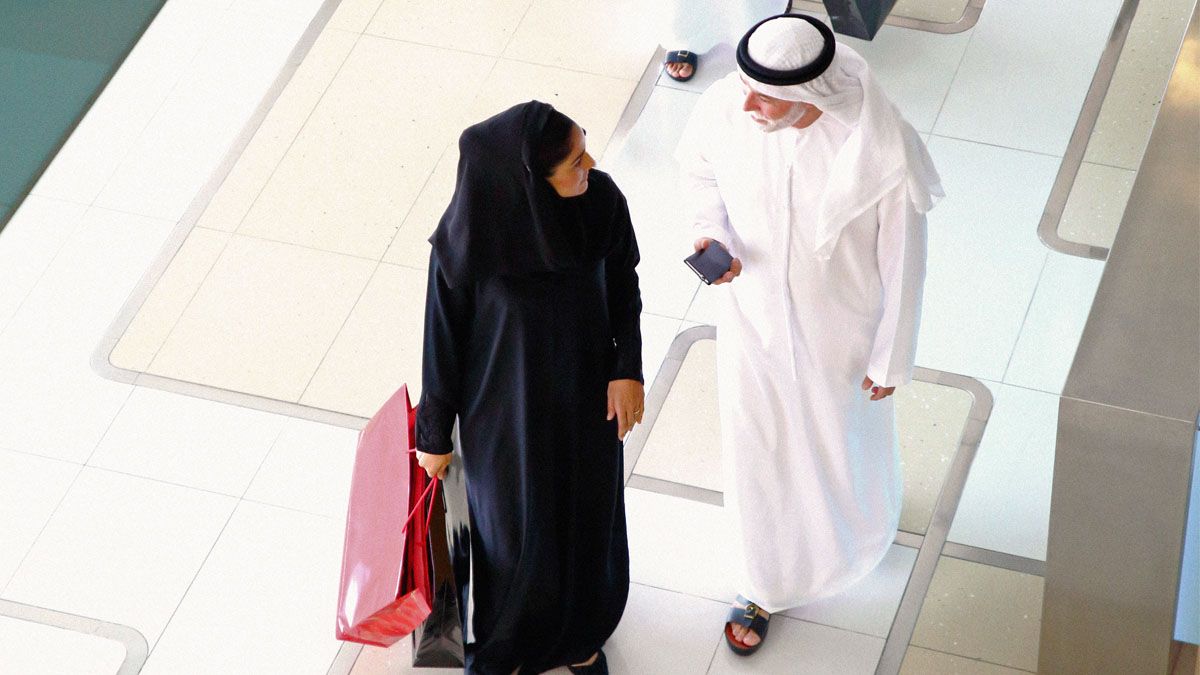
When Matthieu Blazy’s new collection launched at Chanel in the Dubai Mall last weekend, there were long queues outside, not unlike those seen in other fashion capitals in recent weeks. But today’s Dubai is different from other fashion capitals. The city is in the midst of a US-Israel-Iran conflict, with Iran targeting the UAE directly.
Despite this, Dubai remains a city known for its resilience, stability and desire for the good life. Amid the economic slowdown, the Middle East has emerged as a bright spot for the luxury goods industry: Bain-Altagamma’s latest global market research on luxury goods predicts growth in the region of 4% to 6% by 2025, with Dubai at the center. Of course, the new conflict raises questions about the market’s trajectory, and comes at a critical time as the industry continues to focus on Dubai’s changing dynamics. Although shops have remained open during this period, the plummeting tourism industry has raised concerns about the region’s prospects. But for now, local consumers are still shopping.
Reema Ameer, a long-time Dubai resident who is half Lebanese-Syrian and half Sri Lankan, waited for an hour and a half at the Chanel store on Sunday morning. There are two ready-to-wear items on her wish list. When she entered the store at noon, both items were sold out, and the handbag section appeared completely sold out. For Amir, a fashion designer, it’s a clear sign that demand for luxury goods remains strong.
Two factors have historically driven demand in Dubai: the high concentration of high net worth individuals (HNWIs), a cosmopolitan mix of Emiratis, other Arabs, South Asians, Europeans and North Americans; and tourism, which has now slowed to a standstill. Although some foreigners were in the lead when the war began, many residents, especially Emiratis, other Arabs and South Asians, chose to stay and continue to spend.
Subvert dressing style
Luxury brands should focus on the residents who remain, who still feel safe during the crisis and continue to shop. “Women here like to dress up, it’s part of our DNA. Many women in Dubai come from places like Lebanon, Syria or Iran, where they have lived through uncertain times, so they understand the importance of ritual. Dressing up can help you feel normal,” said Lama Jamal, a Lebanese woman who lives in Dubai and is the founder of @DubaiStreetStyle, which has nearly half a million followers.
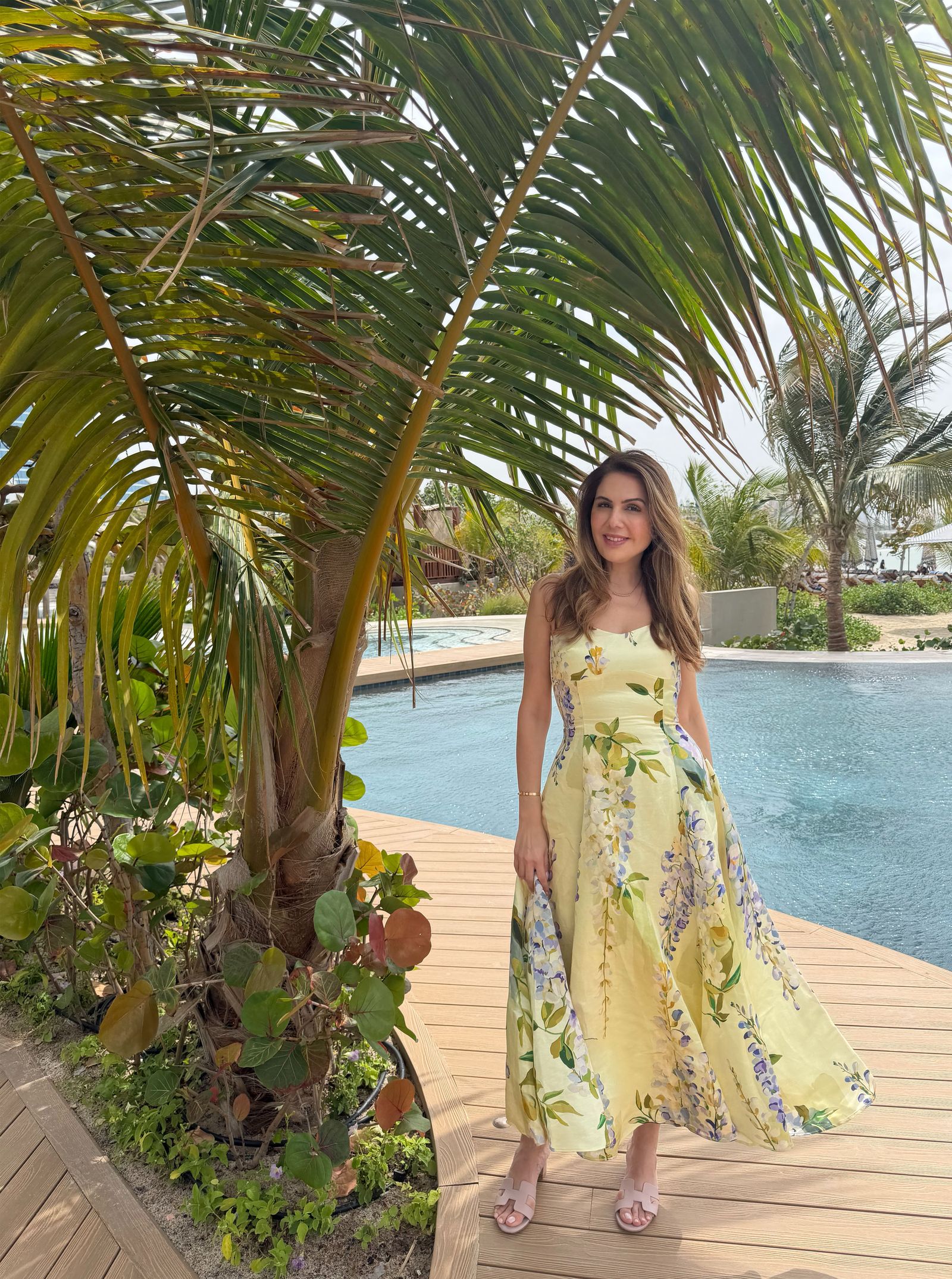
Jamal noted that while large events have been put on hold, social life has not disappeared, just recalibrated. Many residents are taking a staycation, and hotels are offering special packages to residents. For example, the Banyan Tree hotel in Dubai offers discounted room rates and spa vouchers. Jamal, who recently spent a long weekend at a luxury hotel in Dubai, said she is currently in a resort mentality when it comes to shopping. “Summer is coming, so we’re hoping that before the holidays this war will be over and we’ll be traveling again,” she said. Resort wear brands such as Zimmermann and Alémais are particularly on her radar.
Personal shopper, stylist and brand consultant Vasil Bozhilov observes among his clients, many of whom are from the Emirati community, that dressing up has a sense of both ritual and control. “During uncertain times, fashion doesn’t disappear, it actually becomes more intentional,” he said. “In Dubai, I wouldn’t even think of it as resilience. It’s just part of the culture. Polishing and putting together is non-negotiable – it’s how people present themselves, how they exist in society.”