The Tamesis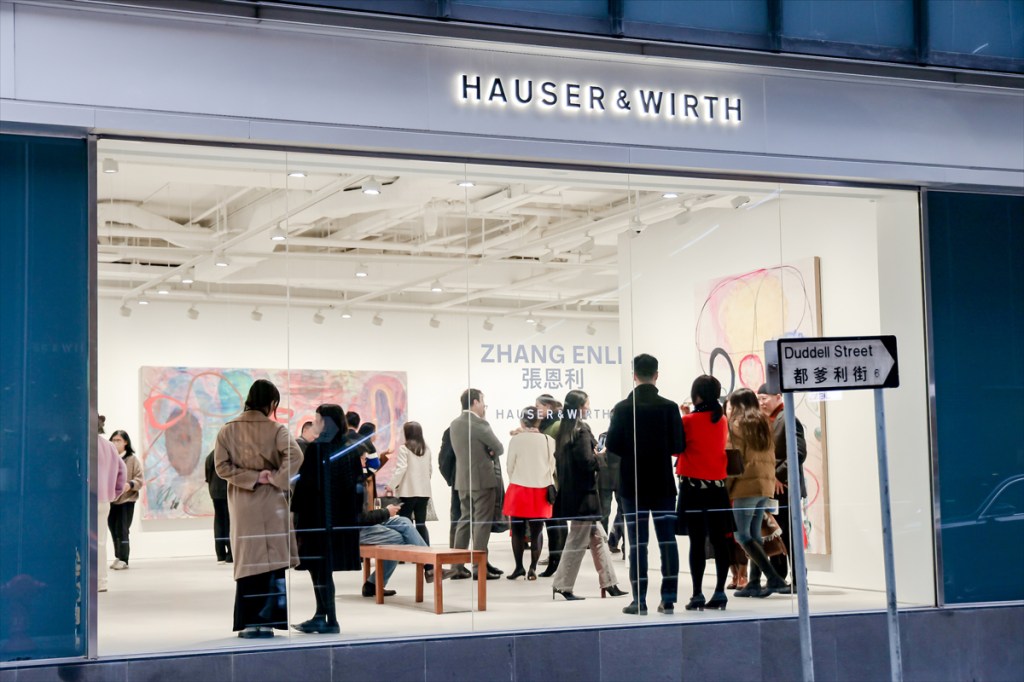
Major gallery Hauser & Wirth and a now-liquidated art shipping company are facing trial for allegedly evading British sanctions. Gallery accused of producing George Condo’s 2021 work on paper, escape from humanswill be available to people with ties to Russia in 2022. Shipping company Artay Rauchwerger Solomons faces similar charges after the Crown Prosecution Service (CPS) laid charges in November.
At a hearing in December, a judge set a 10-day trial in January 2028, which is likely to be conducted by a High Court judge at Southwark Crown Court in London. The next hearing will be held on May 5, 2026, when the defendant will formally stand trial and enter a plea.
Related articles

Hauser & Wirth, which is headquartered in Switzerland and has 17 offices around the world, declined to comment on the latest hearing but stressed that “the collector concerned is not a sanctioned individual”. In November, the gallery told art news: “Due to the ongoing nature of the case, we are unable to comment further except to say that we strongly object to the charge and intend to plead not guilty.”
Artay Rauchwerger Solomons could not be reached for comment. The shipping company was founded in 1995 as Art Logistics Co., changed its name in 2023, and entered voluntary liquidation in April 2024, according to Companies House. The investigation, led by UK tax agency HM Revenue and Customs (HMRC), is the first known corporate prosecution under UK Russia sanctions regulations and the first criminal case related to a ban on the supply of luxury goods to individuals with links to Russia.
The charges appear to relate to section 46B of the Russia (Sanctions) (EU Withdrawal) Regulations 2019. The British government made it illegal in April 2022 to provide luxury goods worth more than 250 pounds ($330), including jewelry, art, cars and antiques, to individuals with links to Russia. Companies that violate the rules face unlimited fines and individuals can be jailed for up to six months. The same month, the EU also implemented a luxury goods export ban as part of sanctions against Russia. These actions were the result of Russia’s invasion of Ukraine.
HMRC has warned that British companies could be breaking the law even by selling products to Russian companies overseas. “Companies that export sanctioned goods to Central Asia or other regions where Russian companies operate should ensure that the end users are not Russian-owned,” the agency said in a November case study.
The prosecution highlights growing regulatory scrutiny of the UK art market. Since 2021, galleries and auction houses (collectively known as Art Market Participants (AMPs)) have been required to register with Her Majesty’s Revenue and Customs (HMRC) for anti-money laundering regulations, with more than 90 of them facing regulatory action.
From May 2025, AMP must report any known or suspected breaches of financial sanctions to the Office of Financial Sanctions Implementation (OFSI) or risk criminal prosecution. This applies to art transactions worth €10,000 ($11,700) or more.