The Tamesis
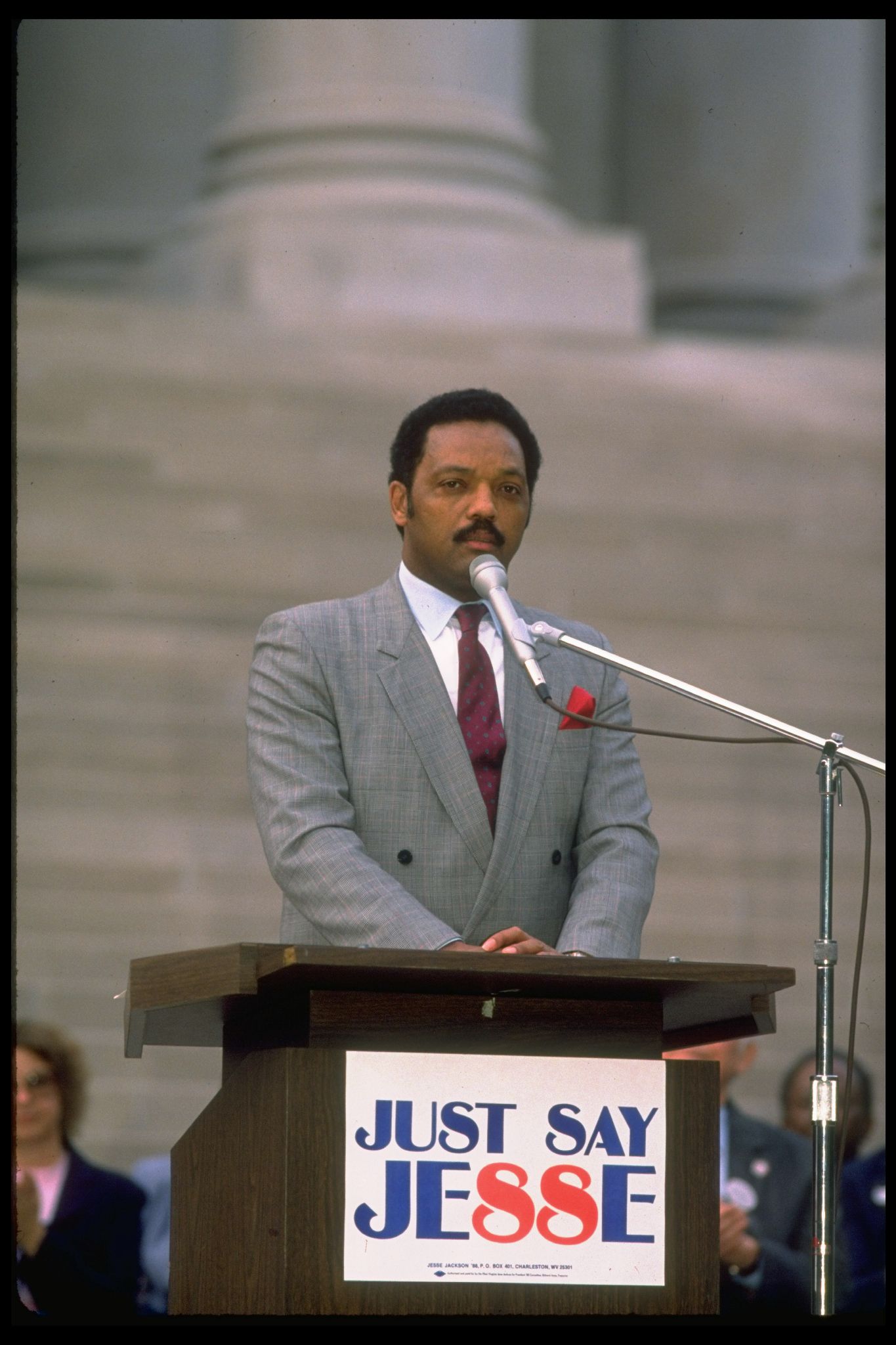
The Rev. Jesse Jackson, a leading figure in the civil rights movement who twice ran as the Democratic presidential candidate, has died at the age of 84. His family confirmed the news in a statement, noting that Jackson “passed away peacefully.”
“Our father was a servant leader — not just for our family, but for the oppressed, the voiceless, and the overlooked around the world,” the Jackson family wrote. “We shared him with the world, and in return, the world became part of our family. His unwavering beliefs in justice, equality, and love inspired millions, and we ask that you honor his memory by continuing to fight for the values by which he lived.”
While Jackson’s family did not specify the cause of death, the news comes after Jackson was hospitalized in November with progressive supranuclear palsy (PSP), a rare neurodegenerative disease. He was also diagnosed with Parkinson’s disease in 2017 and has been hospitalized twice with COVID-19 in recent years.
Born on October 8, 1941, in Greenville, South Carolina, Jackson showed an interest in politics from an early age. He excelled in school, became class president, and received a football scholarship to the University of Illinois, but later transferred to North Carolina A&T University (HBCU), where he first became involved in the civil rights movement. (In 1960, he was arrested along with seven other students during a silent demonstration in a library reserved for white students, ultimately leading to its desegregation.)
After moving to Chicago and being ordained as a minister, he came to the attention of Martin Luther King, Jr., later participated in the Selma to Montgomery March and was selected by King to lead the Southern Christian Leadership Conference’s Operation Bread Basket, which worked to provide economic opportunity and employment in black communities, in part through the use of strategic boycotts.