The Tamesis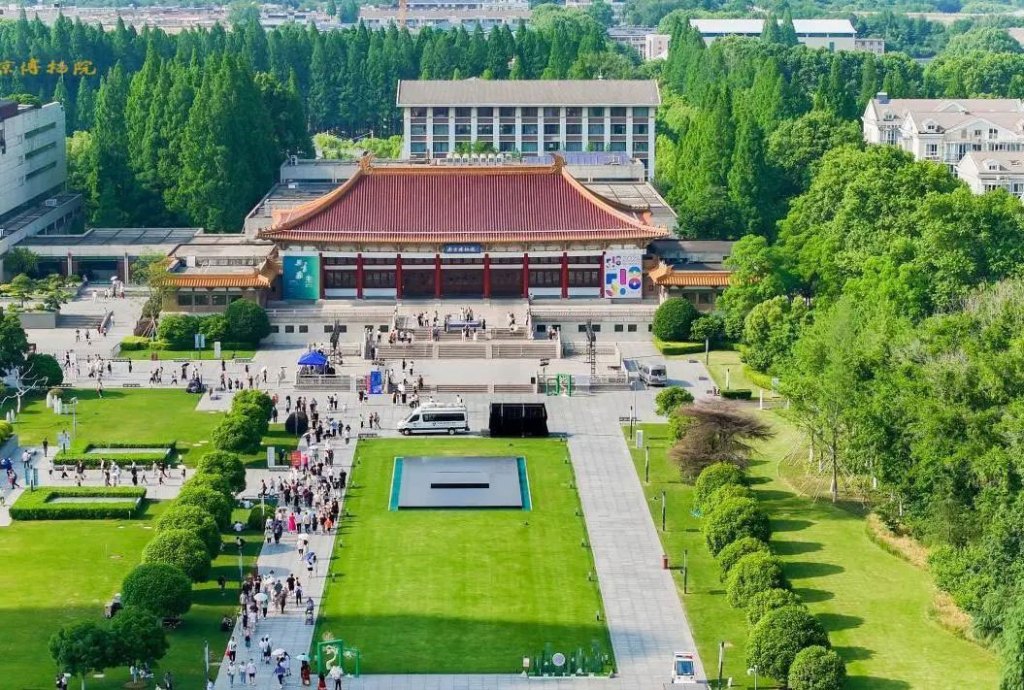
Chinese officials have launched multiple investigations into allegations that staff at the state-run Nanjing Museum secretly removed cultural treasures from the collection and sold them on the open market, allegations that have gone viral on social media and drawn comparisons to the recent Louvre robbery.
according to South China Morning Postthe scandal surfaced after a 16th-century Ming Dynasty painting, Spring in Jiangnan A work by Qiu Ying appeared in a Beijing auction catalog this year with an estimated price of 88 million yuan ($12.5 million). The work was part of a collection of 137 works donated by the famous collector Pang Laichen family in 1959, but was discovered missing during a court-ordered inventory inspection in 2023. The museum later said the painting, along with four other donated works, were considered fakes in the 1960s and were officially sold in 1997 to a provincial heritage store in 2001 for $6,800 – although it’s unclear how it reappeared at auction. Pang’s descendants have publicly challenged the museum’s claims and demanded documents and the return of the disputed works.
Related articles
The case escalated over the weekend, with 80-year-old retired museum employee Guo Lidian accusing former museum director Xu Huping of orchestrating large-scale theft and smuggling during his tenure. Guo said in a video statement that Xu arranged for the originals to be passed off as replicas and then resold domestically and abroad through the same provincial cultural relics store. Guo further claimed that Xu improperly opened crates containing more than 100,000 cultural relics stored in the Palace Museum in Nanjing after World War II. Xu, 82, denied involvement and said he was “not an expert in painting appraisals.”
The accusations have shaken public confidence in one of China’s most historic museums – an institution that protected parts of the Palace Museum’s collection during World War II and is central to Beijing’s efforts to position China as a cultural superpower.
On Tuesday, the State Administration of Cultural Heritage announced the formation of a special task force to investigate the allegations. Relevant departments in Jiangsu Province have also launched an interdepartmental investigation, and the Nanjing Museum said it is conducting an internal review. Officials vowed to “severely punish” any violations and to keep the public informed as the investigation progresses.
The controversy comes as China tightens oversight of cultural relics; a revised cultural relics protection law that took effect in March gives the country permanent rights to take back stolen or illegally exported cultural relics.