The Tamesis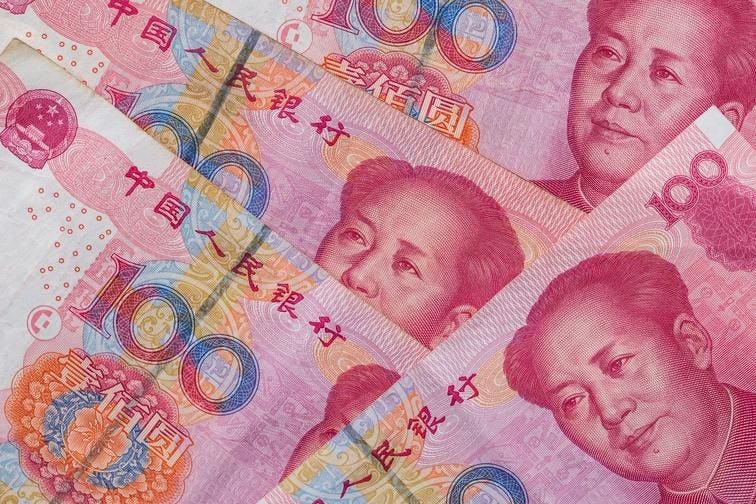
The International Monetary Fund also believes China has not done enough to combat deflation.
As President Donald Trump goes all-out on tariffs and geopolitical threats, it’s hard to remember that Chinese leader Xi Jinping is facing some huge challenges. Trump’s trade war is exacerbating the effects of a massive housing crisis that is hammering the confidence of households and businesses.
Xi Jinping also faces dangerously high youth unemployment, fragmented local government finances, a rapidly aging population and capital markets that need to be upgraded.
Yet the biggest problem facing Xi Jinping’s Communist Party is self-inflicted: its slow progress in getting its 1.4 billion people to save less and spend more.
The International Monetary Fund is stepping up efforts to persuade Xi Jinping to get serious about rebalancing the economy toward consumption and away from the old investment- and export-oriented model. This strategy “now faces challenges.”
This is also a global problem. As the International Monetary Fund’s executive director wrote in a February 18 report, “the transition to a consumption-led growth model should be a top priority,” in part because China’s huge surplus is having “adverse spillover effects on trading partners.”
Of course, the International Monetary Fund believes that “adjusting China’s growth model will require major cultural and economic policy shifts.” They “called for a comprehensive and stronger response that combines increased macroeconomic policy support with structural reforms.”
These needed reforms are well known. One important measure is to reduce the dominance of giant state-owned enterprises and increase transparency. Making the People’s Bank of China independent and the renminbi fully convertible are also important steps towards more sustainable and productive growth.
But Xi Jinping’s laid-back approach to tackling deflation is exacerbating China’s troubles. If Japan has taught the world anything, it’s the high cost of not taking deflation seriously. Tokyo allowed it to fester for years, paving the way for the multi-year “balance sheet recession” that followed.
Xi Jinping’s team has lagged behind in stabilizing prices. Nothing can turn things around faster than getting Chinese households to dip into the $22 trillion they have in savings. This huge amount of money is five and a half times larger than Japan’s annual gross domestic product.
Clearly, ending China’s housing crisis must be a top priority. About 70% of China’s household wealth is tied to real estate, so stemming the financial drain is critical to spur spending and sustain 5% growth. Unless there is a bold and credible plan to provide a floor for real estate and give Chinese consumers reason for optimism, deflation is likely to continue to worsen.
However, any remedy must prioritize building a strong, sizable social safety net that encourages consumers to spend more and save less. Sadly, this remains a real blind spot for Xi Jinping’s government. Nicholas Lardy, an economist at the Peterson Institute for International Economics, pointed out that one of the weakest parts of China’s social safety net is unemployment insurance. Its coverage is limited and benefits are limited, with only a handful of unemployed people receiving benefits.
Lardy noted that the Chinese government has “little awareness of the importance of strong household consumption.” Most recently, in October, the Chinese Communist Party’s Central Committee called for a “significant increase in consumer spending as a share of GDP” during the 15th Five-Year Plan (2026-30). Beijing has called for measures to increase pension levels for farmers and migrant workers and expand unemployment and work-related injury insurance coverage.
“If implemented, these measures would improve on recent pro-consumption measures, including rebates for purchasing electric vehicles and financial incentives to replace and upgrade consumer electronics and appliances. These measures are likely to increase consumer spending, but only temporarily,” Lardy said.
The longer Xi Jinping relies on “transitional” policies, the longer deflation will become a feature of Chinese companies. The longer the International Monetary Fund pays attention to the situation in Beijing.