The Tamesis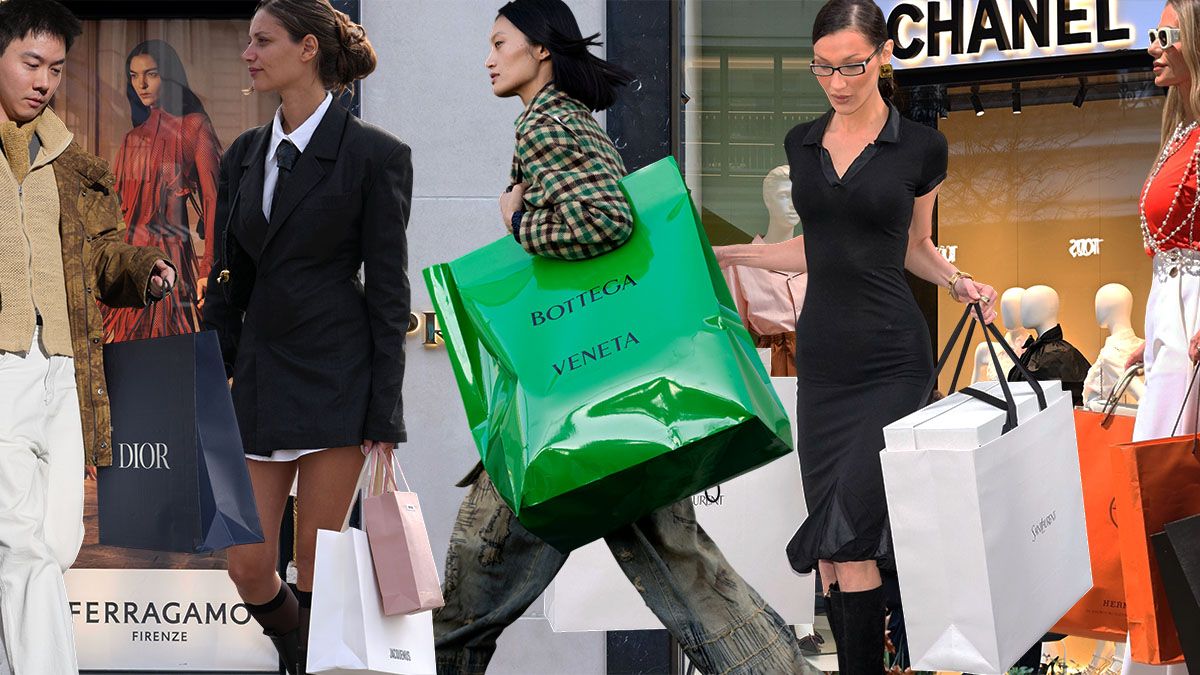
Looking back on 2016, the British luxury goods industry wasn’t as nostalgic as the viral social media trend suggested. This year marks the tenth anniversary of Brexit; a political moment surrounding sovereignty and economic growth. What followed was a series of policy changes, including the cancellation of duty-free shopping policies for overseas tourists.
For the British luxury goods industry, the merger undermines its competitiveness as a global shopping destination.
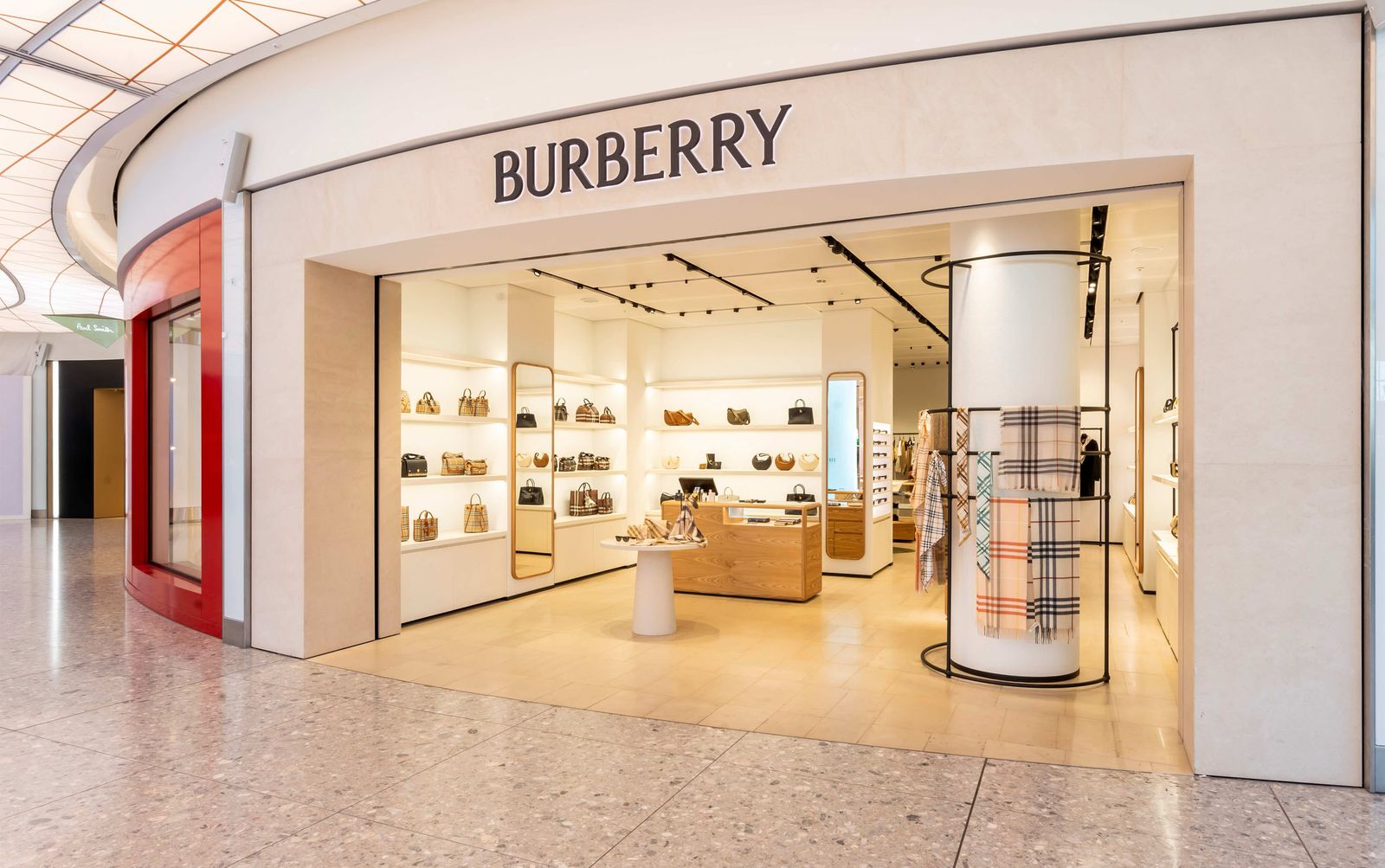
Few brands articulate their impact as clearly as Burberry. “Business in our home market of the UK continues to be severely impacted by the cancellation of the VAT refund for overseas visitors in 2021, making the UK the least competitive destination for tourist shopping in Europe,” the brand said in its preliminary full-year 2025 results. More recently, in the third quarter of 2026, Burberry noted that retail sales performance in EMEIA (Europe, the Middle East, India and Africa) remained flat, with locals offsetting a decline in tourist spending.
While the global challenges facing the luxury goods industry – from post-pandemic price increases to changes in consumer sentiment – are well documented, the UK’s policy environment has increased structural disadvantages at home.
Competitive gap widens
Walpole, the British luxury goods industry body representing the British fashion, beauty, automotive and hospitality industries, said that the British luxury goods industry generates 81 billion pounds for the economy every year and provides 454,000 jobs. If supported properly, it can grow to 125 billion pounds.
About 70% of this £81 billion comes from exports. The remainder comes mainly from international tourists shopping in the UK. According to Walpole, the removal of duty-free shopping has caused a double whammy: international customers have shifted their spending to destinations such as Paris, Milan and Madrid, which have aggressively promoted VAT refunds. Meanwhile, British consumers can now shop duty-free in the EU.
According to Global Blue, wealthy international tourists spent an average of €2,680 on luxury retail in Paris last year during the Autumn/Winter 2025 Fashion Week, while ultra-high net worth individuals (UHNWI) spent approximately €18,350 each. The company tracks tax refunds and helps retailers capitalize on high foot traffic to attract affluent consumers. The figures highlight how fashionable moments translate directly into retail spend in destinations that actively incentivize international shoppers through duty-free schemes.
As London Fashion Week continues to position the capital as a global creative force, industry leaders believe the UK could miss out on a similar surge in spending without the commercial appeal of VAT-free shopping.
The British Fashion Council (BFC) just raised the issue with the UK government this week and continues to press for dialogue on what it considers a key priority for the fashion industry. “London and the UK are leaders in the global creative conversation, hosting London Fashion Week and the BAFTA Film Awards this week. Both events attract large trade audiences, but more should be done to welcome international cultural consumers,” said Laura Weir, chief executive of the BFC. “VAT-free shopping in Paris increased by more than 20% during Paris Fashion Week. The introduction of a competitive VAT retail export scheme in the UK will boost tourism and incentivize visitors, benefiting not only the largest luxury goods companies, but countless small and medium-sized enterprises in the fashion industry.”