The Tamesis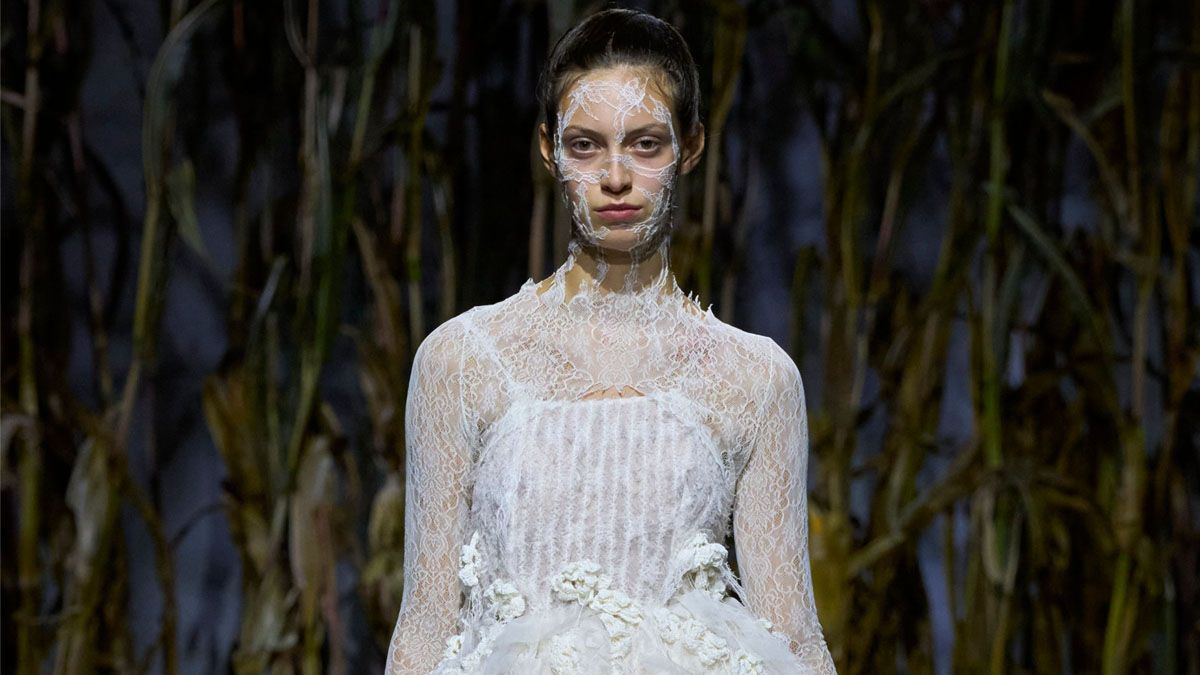
With a week until her London Fashion Week show, Pauline Dujancourt had to juggle two things at once: the adrenaline rush of showing off her brand on the runway, and the reality of a growing business behind the scenes.
Dujancourt just made its expanded product line available to more retailers. The business’s seasonal turnover increased by approximately 140% between FW25 and SS26 (annual turnover is six figures). She hired Net-a-Porter as a stockist for SS26, and Dover Street Market expanded the brand’s range into global markets including Singapore, Los Angeles, Tokyo, London and Paris after seeing strong sales and demand.
Now the designer is scaling up production and adapting sales of his collection, which has centered on handcrafted knitwear since launching the brand in 2022, all without losing the human touch that makes the brand unique.
“It’s been a bit of a roller coaster ride over the last few months as we ramp up production,” Duyancourt said from his makeshift studio in Vauxhall, south London. She moved here after graduating from the Paul Smith Foundation’s talent incubation program, which provided studio space in Farringdon. While planning the show, the team is also preparing to move to the new Liverpool Street studios. “We had to squeeze in a lot, but I’m really proud of our team and the way we successfully completed the production and series.”
Dujancourt founded her eponymous brand after completing a master’s degree at Central Saint Martins (CSM), specializing in knitwear (the French designer completed her bachelor’s degree at the Ecole Duperre in Paris). Just two years after its launch, she is a finalist for the 2024 LVMH Prize. This season is her fourth time participating in the London Fashion Week (LFW) schedule.
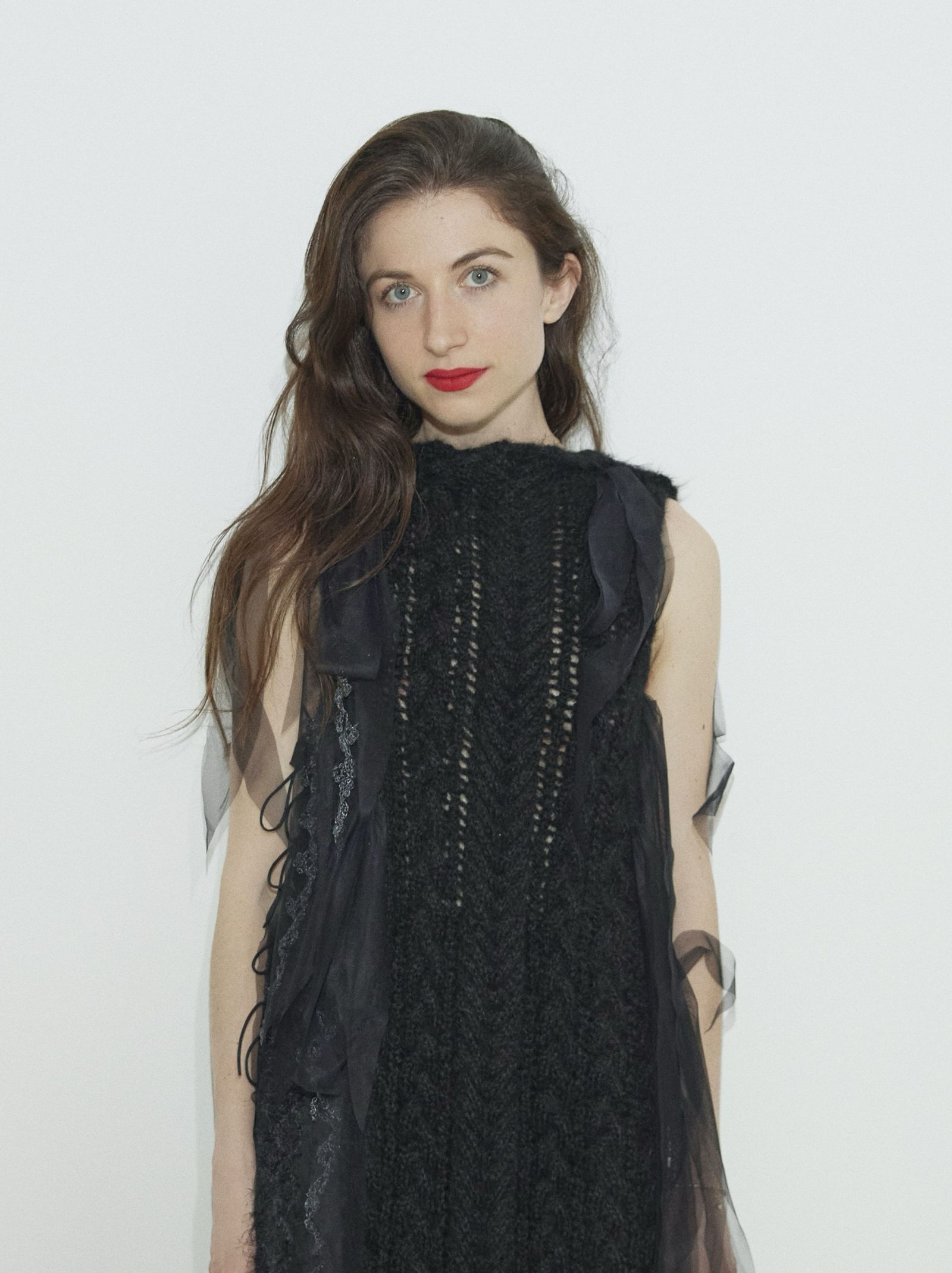
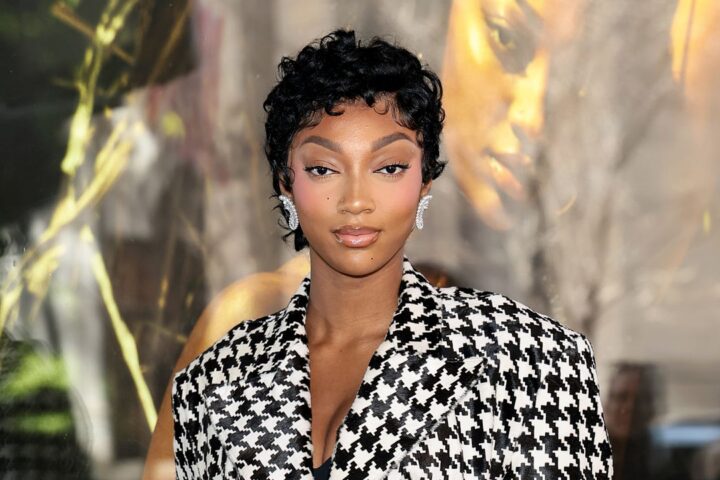
Pauline Duyancourt.Photo: Courtesy of Pauline Dujancourt
Fashion shows have become central to Dujancourt’s communication about her brand, which she describes as celebrating femininity and bringing ancestral craftsmanship into a contemporary setting. Bestsellers include hand-knit sweaters, dresses and lingerie-style layering pieces; prices typically range from around £300 to £1,700, with special handmade dresses costing upwards of £3,000.
“Fashion Week gives us an opportunity to introduce our creative language through collections, sets, music and the atmosphere you create,” she said, describing themes based on craftsmanship, community and shared knowledge (the full narrative will be revealed during the show). “I feel like now it’s more about building on that and building trust and getting closer to our audiences, media and buyers.”