The Tamesis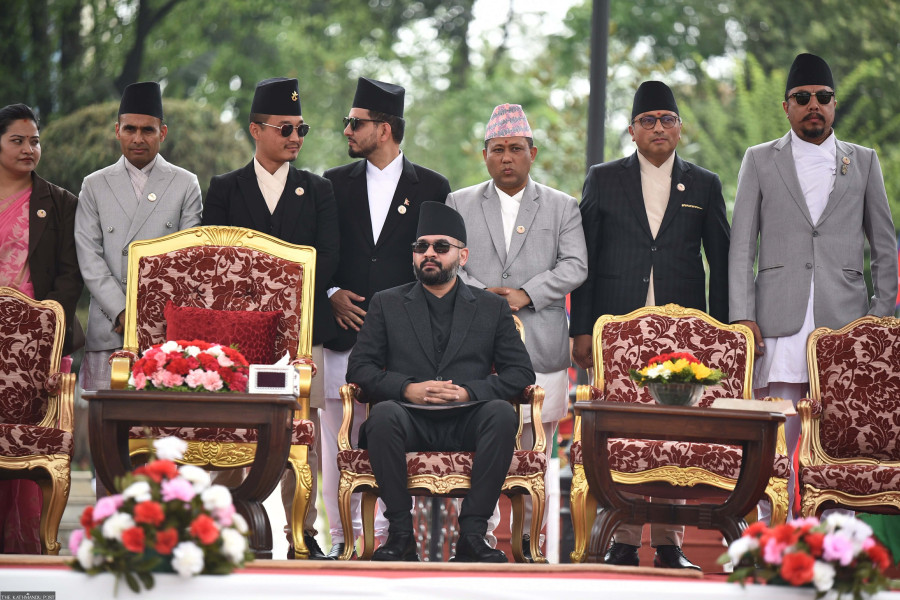
March 31, 2026
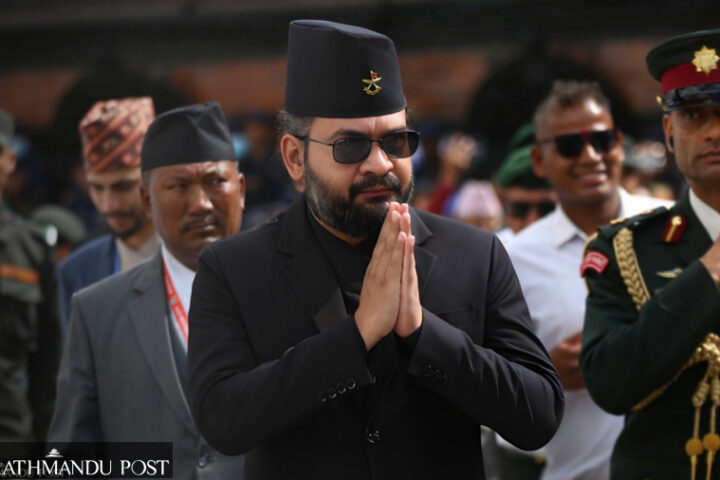
kathmandu – Prime Minister Balendra Shah’s new government unveiled an ambitious 100-point work plan on Saturday, a signal of a break from the slow, plodding pace of past governments. However, there are doubts whether ambition can overcome Nepal’s entrenched bureaucracy.
The roadmap, approved at the first cabinet meeting on Friday, is closely aligned with the election agenda of Shah’s Rashtriya Swayamsevak Sangh (RSP), setting out time-bound reforms with measurable indicators, accountable officials and regular reporting to the prime minister’s office.
The RSP published a list of 100 promises before the election and promised to implement them once in power.
In the snap parliamentary election held on March 5, the party became the largest party in the House of Representatives with 182 seats and formed a new government under the leadership of Shah on Friday.
On paper, the plan appears to be carefully structured. It outlines goals to be achieved within 15 to 100 days, proposes a “national commitment” containing commitments from all political parties, and even calls for a discussion paper on constitutional amendments to be presented within a week. Much of the focus is on improving service delivery and addressing day-to-day public grievances.
Beneath the finery, however, lurks a question: What, if anything, makes this plan different from the many directives issued by previous administrations that ultimately led to little?
Few governance challenges in Nepal are due to lack of planning. Rather, former government secretaries say they stem from deeper structural problems — limited resources, legal constraints and, most notably, an entrenched bureaucracy that often resists or undermines reform efforts.
“Earlier governments also issued sweeping directives from the top, but implementation faltered due to weak oversight, a lack of ownership within the civil service and poor coordination,” said former secretary-general Krishna Gyawali. “Having said that, this government does appear to be more serious, with a clearer and more detailed work plan.”
Gyawali noted that the Shah’s government appears to have delved into finer details, suggesting they will take a more pragmatic approach.
Law Minister Sobhita Gautam said the 100-point work plan reflected the promises her party made to the public during the elections. Gautam noted that people will ultimately judge whether these promises are fulfilled or not, so the government is determined to live up to expectations.
She acknowledged that there are certain challenges in resource mobilization and bureaucracy, adding that during discussions with officials from the ministry on Sunday, she found that they were ready for coordination and cooperation. “When legal obstacles arise in implementing work plans, our department will take all necessary steps to resolve them,” Gautam told The Washington Post.
Even so, experts warn that the plan’s success will depend heavily on political and administrative coordination. If the government fails to win the trust of the bureaucracy and maintain meaningful dialogue, the roadmap risks remaining largely aspirational. Past experience shows that even the most detailed plans have difficulty making it out of the announcement stage without the support of implementing agencies.
Resource constraints present another major challenge. The ambitious timetables, some as short as 15 days, raise legitimate concerns about the viability of a system already under pressure. Expanding digital services, creating jobs, improving health care and strengthening infrastructure all require sustained funding and institutional capacity, which cannot be mobilized overnight.
There are also concerns about over-centralization. Kashi Raj Dahal, former chairman of the Administrative Reform Implementation Monitoring Committee, said that while the roadmap places a strong emphasis on oversight by the Prime Minister’s Office, excessive central control may slow down decision-making and create bottlenecks, especially when line ministries and local governments are not fully empowered.
Dahal said that overall, the work plan launched by the government is a positive step. He believes that improving service delivery can largely be achieved within the state’s existing budget, meaning it will not necessarily impose any additional financial burden on the state.
He also welcomed the approach outlined in the plan, which focuses not on citizens having to go to government offices but on government delivering services directly to the people. To him, this shift in thinking is both practical and encouraging.
“Previous governments would issue directives to civil servants but rarely set clear deadlines for implementation, meaning many of them were never implemented,” Dahal said.
He also believes that the politicization of the bureaucracy has long undermined its effectiveness, as officials often worry that performance will not be fairly assessed. He believes this has led to a loss of motivation in the civil service. However, Dahal says this trend can now be reversed.
But others stressed that effective implementation was not guaranteed.
“To its credit, the government has created early momentum and captured public attention. Its emphasis on accountability and measurable results marks a shift from past vague policy statements. But ambition alone does not guarantee achievement,” Gyawali added.
Ultimately, the real test will not be the announcement of a 100-point plan, but whether this government can overcome the same institutional inertia, resource constraints and bureaucratic resistance that constrained its predecessor. Experts say that if these underlying challenges are not addressed, the roadmap risks becoming just another well-intentioned document – one that promises high but delivers short.
While remaining cautiously optimistic, Gyawali warned that a fixed deadline might be too ambitious, raising the possibility that the government might struggle to meet its own goals.
“If a plan with a strict timetable is rolled out without adequate preparation, it may amount to little more than wishful thinking rather than a truly feasible roadmap,” he said.