The Tamesis
Saks Global is in trouble in 2025. Now, 2026 will be its make-or-break year.
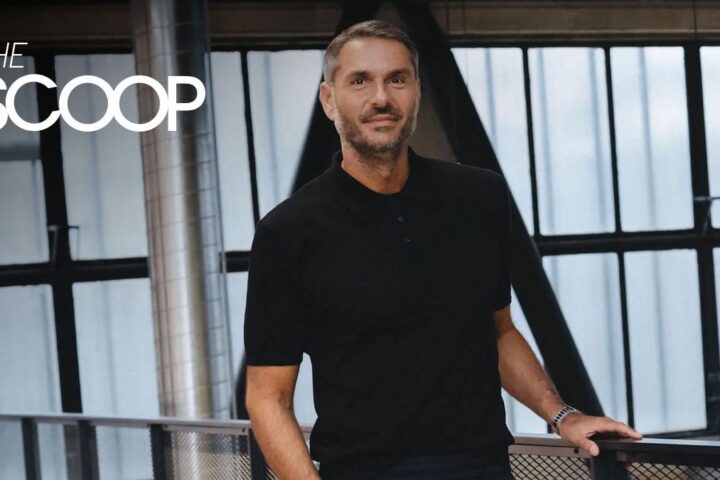
The troubled U.S. retail company kicked off the year with a CEO change. On January 2, Marc Metrick, a 30-year company veteran, resigned and was replaced by executive chairman Richard Baker (who currently holds both roles). The news comes amid reports that Saks Global is preparing to file for Chapter 11 bankruptcy after failing to repay its latest $100 million debt on December 30. Saks declined to comment.
“Saks is in poor financial shape. It has too much debt, and the company is unable to generate enough cash to pay down debt and conduct day-to-day operations,” said Neil Saunders, managing director of U.S. retail at Globaldata. “Fixing this problem will require a significant restructuring.”
The fate of Saks Global will determine the future of Saks Fifth Avenue, Neiman Marcus and Bergdorf Goodman – they are a vital part of the U.S. wholesale industry, and their survival (or failure) will directly affect the businesses of countless independent brands that rely on retail channels and influence to reach customers. All told, the group can account for 50% or more of a designer’s sales.
Saks Global also needs a brand to survive. The company’s failure to pay brands on time damaged relationships and ultimately forced its main supplier, Hilldun Group, to suspend shipments. This jeopardized the group’s stock assortment, making it a less popular place for customers to shop.
CEO Gary Wassner confirmed that Hilldun had not resumed shipments as of press time, although he had hoped to restart approvals in December. “There was no communication between us,” he said. “I don’t know what they’re going to do next. It’s all up in the air.” With the spring collection set to begin shipping in January (and continue into March), Saks needs to move quickly, he added. “The clock is ticking,” said one designer, who has sent some orders for his spring collection to the three retailers, but the rest will be delayed until Hilldun resumes factoring.
Even as brands continue to ship inventory to Saks, retailers will need to work hard to get customers back into stores and spending money. In October last year, Saks’ second-quarter revenue fell 13% year-on-year to $1.6 billion, lower than expected. One designer who recently visited a Saks store lamented that it had “lost that shine.” “They need to inject new inventory into their stores — variety is key,” said Brad Sandler, partner at Pachulski Stang Ziehl & Jones LLP. In addition to inventory, Saks needs to update its stores; improve the omnichannel experience; and increase personalization efforts, he said. “They need to develop a model that makes luxury consumers feel special,” he said.
The stakes are high for both Saks Global and the brands it sells. Many have relied on the retailer group to prop up their businesses but are now questioning whether they should continue selling to a company that continues to delay and withhold payments for its products. Saks needs these brands if it wants to move forward. Is there a clear path forward?
Brand influence
Analysts expect that if Saks does file for Chapter 11, it could mean further reductions or delays in payments to brands already awaiting funding, exacerbating existing problems. Sandler expects that little of the outstanding balance will be paid because payments must first be made to senior security lenders. “Vendor claims are often affected by bankruptcy class and restructuring plan negotiations,” Quillin said. This could put independent brands at a disadvantage. “A lot depends on the agreement the brand has with Saks and its position in the industry,” Sanders said. “The larger brands may find some security because Saks needs them to survive.”