The Tamesis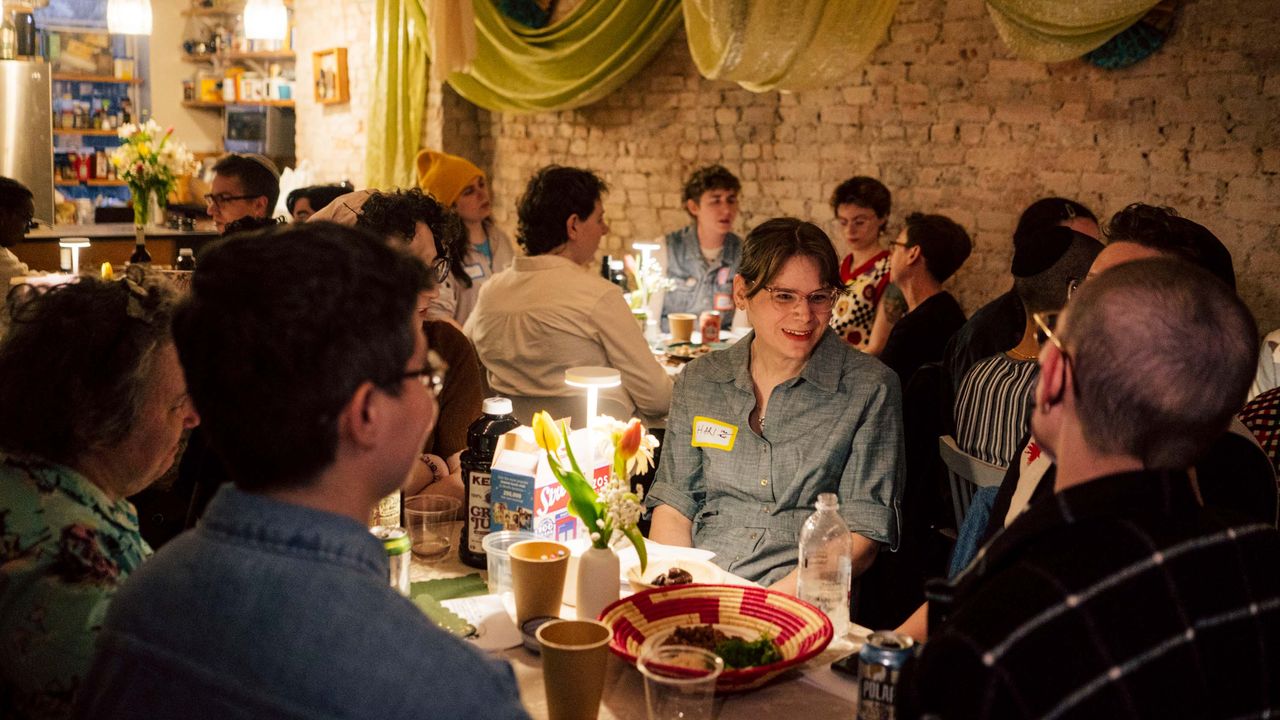
Forty transgender Jews walked into a dinner church in Brooklyn. It sounds like a bad joke, but it’s actually an annual Passover gathering, a spiritual tradition of gathering with queer friends, with an extra Jewish twist.
This is the second year for the Trans+ Seder, a holiday ceremony and meal for trans, non-binary and gender non-conforming Jews and their allies, hosted by Neighborhood: Urban Center for Jewish Life, an organization that creates pop-up Jewish community and cultural events in Brooklyn.
I am a non-binary Jewish community organizer and spiritual leader, and inviting people together through ceremony, song, and food is my way of helping build a better world. As America becomes increasingly dangerous and complicated for trans people and Jews, I started the Trans+ Seder Project to create an event where people working to embrace all of these identities can come together in a meaningful and celebratory way.
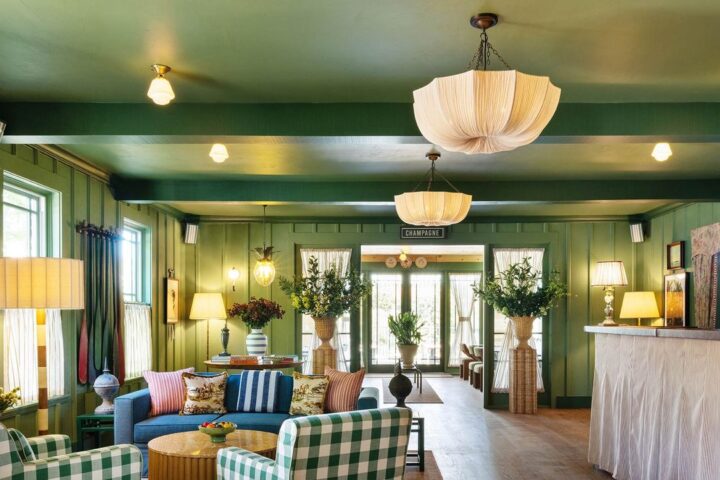
On Monday night, the Trans+ Seder gathered at St. Lydia’s, a cozy brick storefront in Gowanus, Brooklyn, where progressive Christians gather weekly to cook food in the spacious and well-loved kitchen. The room was decorated with lace and linen tablecloths, handmade ceramic Kiddush cups, treasured Seder plates brought from home by event organizers and volunteers, and even some leftover Easter decorations. Flower arrangements abound, placed alongside cans of Dr. Brown’s soda (a Passover staple for many).
Some guests attended the event to introduce a transgender element into their regular Jewish or holiday events. Others attend Jewish gatherings as a supplement to their queer social schedules, or are regulars at rare but vibrant spaces where Jewish and LGBTQ+ identities are not only tolerated together but viewed as intersections where friends, lovers, and misfits of all kinds can find joy and community.
Breaking bread (or in this case matzah) is a key element of the Trans+ Seder concept – when we dine together, we become each other’s honored guests; we become no longer strangers to each other. Many attendees ditched their childhood Passover traditions and Instagram accounts in favor of a Passover meal from CedarStar Catering, run by a Lebanese Jewish woman, while enjoying kosher meals that were vegetarian, gluten-free, and still miraculously delicious. For dessert, there’s a variety of kosher versions of Passover staples, such as Joyva jelly rings and toasted coconut marshmallows (filed under the weird-but-good category).
Co-host Eliana Rubin, a transgender Jewish educator and playwright, spoke about the tradition of ritually opening a piece of matzah, saying that as a trans woman, “I open myself up again and again,” she said, before introducing the concept of “kintsugi” and asking participants to think about what the gold is when it is opened.
Also hosting the Passover Seder is ritualist, scholar, and magazine producer Ari L. Monts/Emet, who reflects on Trans+ The impetus for the Passover Seder was to “create a space where the message of freedom from oppression conveyed by the Passover story is no longer out of reach, and where the great ideas our tradition offers us feel close, personal, and intimate. We wanted a space where our stories and the stories of our ancestors could come together, dance, and be transformed into something new—and I think we did that.”
While the rituals and liturgy of the Trans Seder are innovative, one of the main goals is to explore the trans and queer themes already woven into the Passover tradition—celebrating struggle, striving for liberation, and emphasizing collectivity, we are another link in the long chain of progressive Jews reimagining their traditions to transform society. Today’s Brooklyn scene constitutes one of the highest concentrations of queer Jewish flourishing in history, and one of the goals of this event is to capture and cultivate that energy. The Seder is also a course correction aimed at countering years of marginalization and erasure of transgender participation in Jewish community life.
So why is tonight different from other nights? It’s different because when the room is filled with trans souls, there’s no need for apologies or explanations. Marginalized people can truly own their voices, whether they are loud, quiet, broken, golden, hormone-twisted, or always angelic. However, the purpose of this gathering is community, connection, and tradition, but with a twist—and that’s the authentic part.