The Tamesis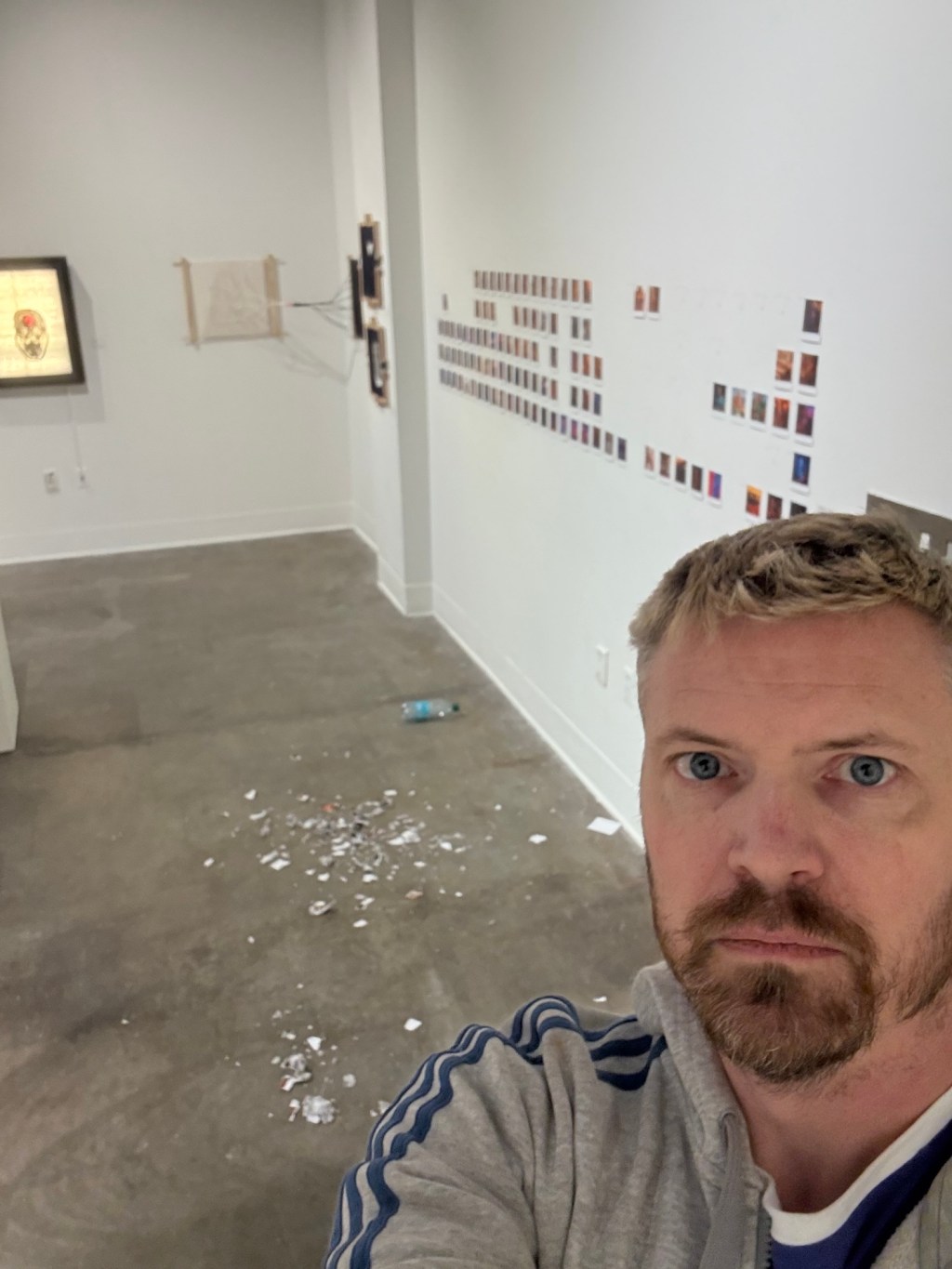
A University of Alaska Fairbanks undergraduate student has spoken out about his controversial meal after he was arrested earlier this week for eating an AI-generated artwork on display at an art museum exhibit.
Graham Granger, a student in the school’s film and performing arts program, was charged Wednesday with a class B misdemeanor criminal mischief after he tore up a set of Polaroids owned by artist Nick Dwyer, causing less than $250 in damage.
“[Granger] He tore them into pieces and stuffed them in as fast as he could. ” said an eyewitness nation. “It was like you see people participating in a hot dog eating contest.” About 57 of the 160 images from the show were destroyed, according to the police report.
Related articles

Granger interviewed nation After being released from Fairbanks Correctional Facility, he said he wanted to pay a fine rather than serve time in prison and clarified that the vandalism was not premeditated. “I saw the work of artificial intelligence, and as an artist, it was really insulting to see something so effortless next to all these beautiful pieces in a gallery,” he said. “To put this kind of ‘art’ next to truly great works is unacceptable. It’s a very personal piece, but because it wasn’t created by the artist himself, it loses substance.”
He went on to describe his actions as “specifically a protest against the school’s AI policy” and “performance art,” adding that he “needed something that would elicit a reaction.” He said he was surprised by the intensity of the response, which went viral, noting that an Italian art magazine reported on it and a Russian newspaper even contacted him.
Dwyer, for his part, told the publication that he didn’t accept Granger’s explanation for destroying his project, likening it to destroying personal property as a form of protest against the oil industry. He said he considered pressing charges because Granger violated the “sanctity of the gallery” but ultimately decided against it. “AI is a lens through which it’s looking at human nature. Some people would think it’s stolen from artists. Another way of looking at it is that it’s an extension of human nature,” Dwyer said. “AI art could be a tax on artists. Taxation is involuntary; some say taxation is theft. This is something we have to work on.”
The use of artificial intelligence in the creative industries has become the focus of controversy ranging from philosophy to law. In 2023, digital artists filed class-action lawsuits against Stability AI, Midjourney, and image-sharing platform DeviantArt, while other artists sued online retailer Shein for stealing their designs. Some of these lawsuits have achieved modest success in 2024, but the explosive growth of artificial intelligence continues to exceed the industry’s ability to resolve legal and ethical dilemmas.
“I think artificial intelligence is a very valuable tool,” Granger said. “I don’t think it has a place in art. It takes away a lot of the human effort that goes into creating art. If art can’t be improved through criticism, it can hardly be called art.”