The Tamesis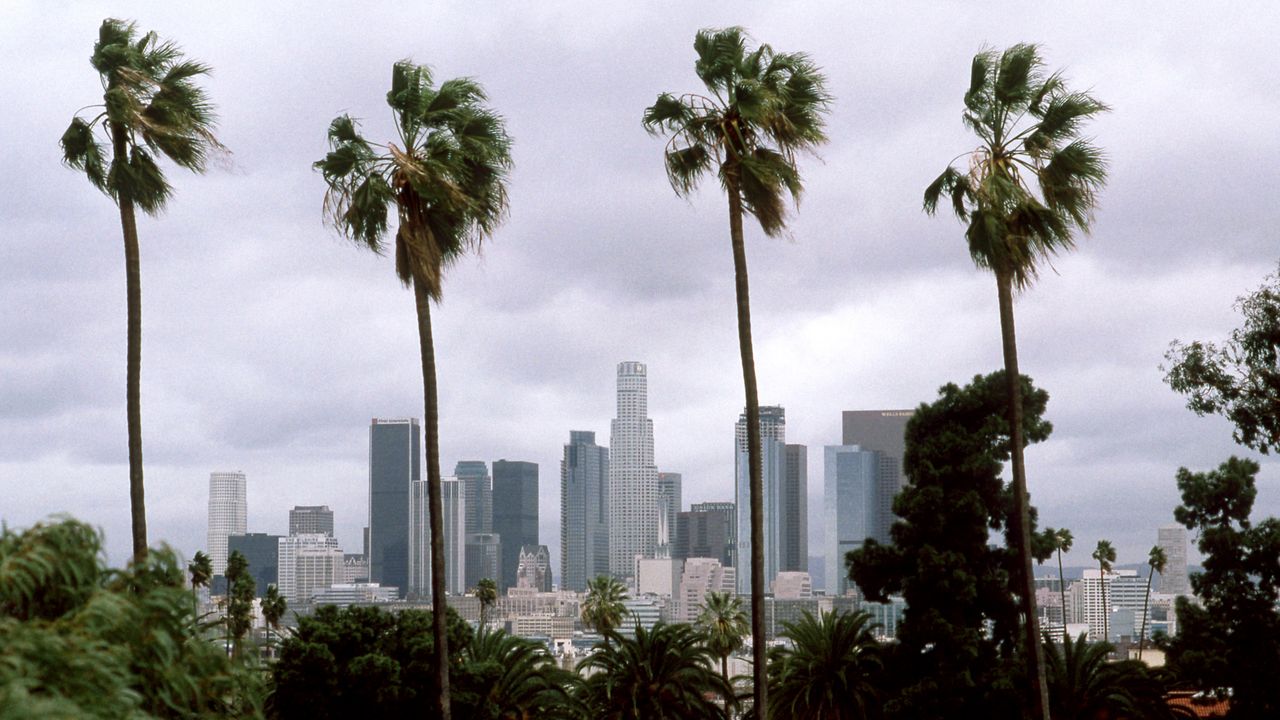
One year ago today, I was happily minding my business in New York—where I was staying longer than usual after the holidays to celebrate my father’s 70th birthday—when I started seeing Instagram posts about the Los Angeles wildfires.
Like many of us, I’ve become strangely accustomed to getting apocalyptic news through my feed, but this time, I watched from afar as my friends and neighbors panicked, mourned, and organized in my own city, which I was flying back to in just a few days.
As social media flooded with mutual aid requests and volunteer opportunities, I received updates from my partners on the condition of friends’ homes in the Palisade and Altadena, as well as reports on air quality in our East Hollywood neighborhood. I did those stupid, seemingly trivial things you do when you’re completely safe and your loved ones are across the country and just barely avoided danger; I donated to GoFundMes, I shipped travel bag items to my partner’s parents’ house in Orange County (where he took our dog to escape the worst of the smoke), I Googled “dog masks,” cried, feeling ridiculous, and then got on a flight home into a burning city.
When I picked up the car near a friend’s house in Mar Vista, it was covered in a thin layer of ash. Down the street, a masked neighbor was solemnly cleaning the outside of his car. We waved timidly, and for a moment we were transported back to the early days of the COVID-19 pandemic, when we were all gathered together but increasingly isolated by the disaster.
Like the pandemic, the Los Angeles fires are less an equalizer than a reminder of the city’s deep inequalities; the Eaton Fire disproportionately affected Altadena’s black and Latino residents, and a year later, many Angelenos still cannot afford to rebuild their homes. But in the early days and weeks while the fires were still raging, I noticed that all of us strangers were more prepared to offer reflexive and general kindness. I still noticed this: it turns out that warmth is not an emergency anomaly.
As I became more involved in the city where I lived, I discovered countless examples of people integrating community care into their daily lives—from the dozens of volunteers who cook and distribute food to homeless Angelenos in MacArthur Park every week, to the educators at the Altadena Seed Library sending seed care packages to families affected by wildfires. Yes, in times of severe, high-profile crises, mutual aid is critical, but it’s more than that.
Los Angeles has been incredibly tested since last year. Not only are we still recovering from the wildfires, but ICE raids have shaken the foundation of Los Angeles’ immigrant population. Many undocumented workers are now forced to stay home to avoid illegal persecution and arrest, leaving what was once a crowded street corner – a favorite spot for locals Fruit Ross A cup of jicama, mango and chamois was sold — empty, as some immigrants struggle to pay rent, exacerbating our city’s already severe housing crisis. Over the past year, I’ve seen a lot of people leave Los Angeles, burned out due to trauma, a depleting job market, or the skyrocketing cost of just about everything. Many of them are lifelong Angelenos with more ownership of the city than I will ever have—so when my long-term relationship ended in the fall, many of my loved ones assumed I would be one of them.
But I still believe in Los Angeles. I wanted to stay in the city, fight and organize, provide jail support and court sittings with the Los Angeles Tenants Union, and visit my neighborhood dye baths. I feel strongly that where you live should not be just an accident of birth or a benefit of privilege. It should be a choice—a choice you make anew every day and reinforced by the connections you make to the community that builds it.