The Tamesis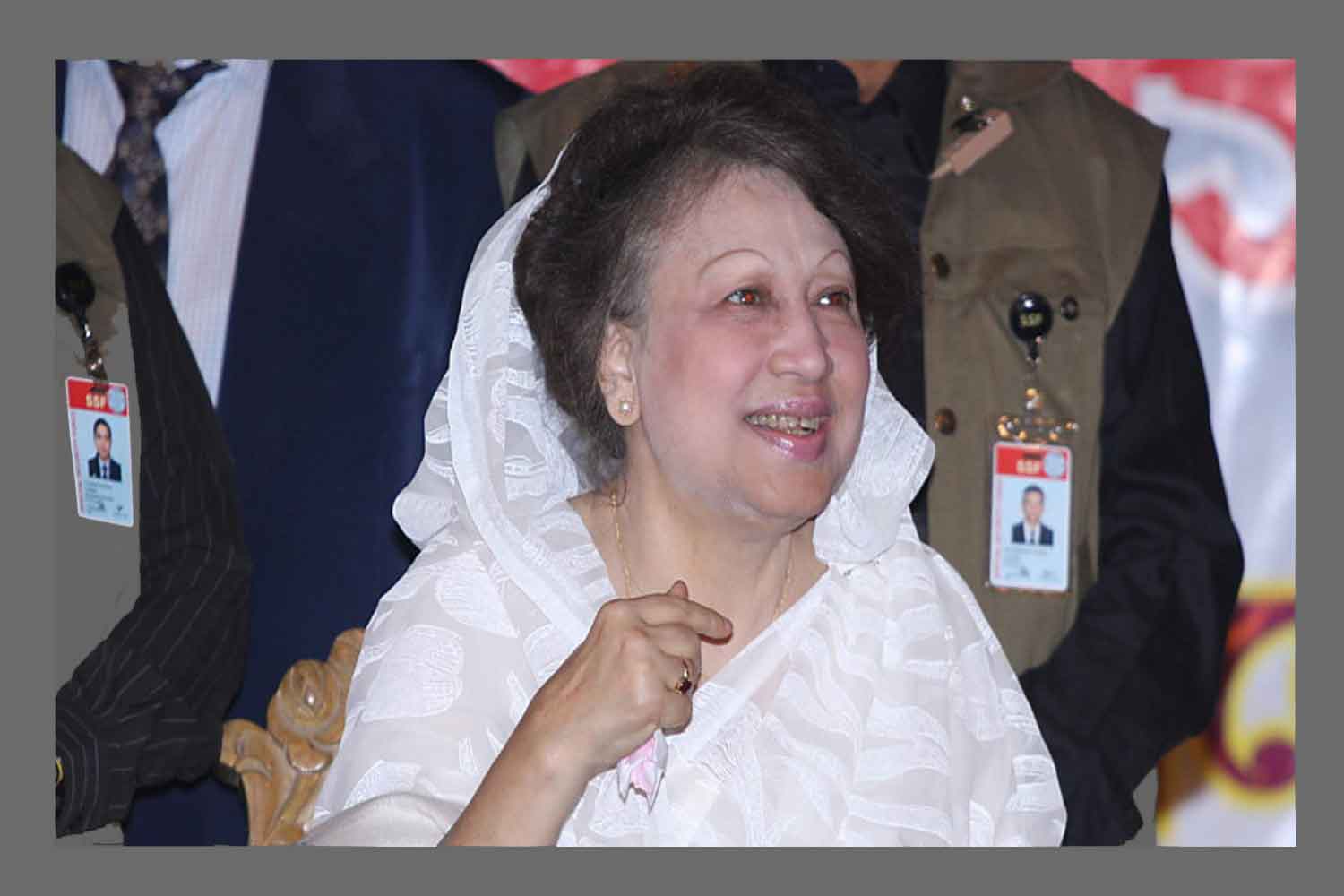
Dhaka – Khaleda Zia’s death ends a decisive chapter in Bangladesh’s history, one marked by the tumultuous evolution of the young democracy. To understand the gravity of her death on Tuesday, one must look beyond the polarizing politics of recent years and recognize the extraordinary trajectory of a woman who never seemed destined to become a leader but who went on to make lasting contributions to the nation’s democratic struggle.
Described in her early years as a “shy housewife” living in the shadow of her husband, President Zia Rehman, Khaleda began a transformation in the blood and chaos of 1981. Her husband’s assassination left the Bangladesh Nationalist Party (BNP) fragmented and leaderless. Senior leaders doubted her political abilities. Yet when the party faltered, she walked into the void.
It was on the streets of Dhaka that her shyness disappeared and her “uncompromising” persona emerged. She earned her nickname not through shrewd negotiation but through her steadfast refusal to legitimize the dictator in the face of the might of His Majesty Ershad’s military regime. She was detained multiple times, but her stubbornness became her greatest political asset. While her street agitation has become a thing of the past, her legacy is cemented by two symbols that fundamentally changed the fabric of the Bangladeshi state: the restoration of the parliamentary system and the institutionalization of a caretaker government.
After the collapse of the military junta in 1990, Khaleda led the BNP to a stunning victory in 1991 by forging a rare strategic alliance with arch-rival Sheikh Hasina. As Bangladesh’s first female prime minister, she presided over a groundbreaking transition from a presidential system, long vulnerable to authoritarian abuse, to a parliamentary system of government. This is a move aimed at consolidating democracy in the legislative body, which remains the bedrock of Bangladesh.
In 1996, Khaleda’s government emerged from a volatile political deadlock to ensure a fair transfer of power. The Congress she formed proved short-lived, and the Thirteenth Amendment was adopted amid violent protests. This amendment formally incorporates the non-party caretaker government system into law. She immediately dissolved parliament and resigned, surrendering to the very neutral authority she had just delegated, a now rare show of democratic compliance. Although she lost the subsequent election to the Awami League, she retained a unique electoral advantage: she remains the only leader in the country’s history to win every parliamentary seat she contested.
Beyond that, her mark has reshaped the daily lives of millions of people. Under the guidance of Finance Minister M Saifur Rahman, she introduced Value Added Tax (VAT) in 1991, a difficult reform that broadened the country’s revenue base. But it was in the classroom that she changed the fabric of society. Recognizing that development was impossible without women, her government launched a national subsidy program in 1994 to provide free secondary education to girls. This single policy is one of the most important national initiatives to empower rural women in our country.
However, she was also impressed by her intense clashes with Sheikh Hasina. The 2007 violence and subsequent army-backed intervention that jailed both leaders marked the beginning of a dark period in the country’s politics.
The tragedy of Khalida’s last ten years is profound. In January 2015, while confined to her office in Gulshan, her door blocked by a police truck filled with sand, she received news that her youngest son, Arafat Rahman, had died. Isolated from the outside world, she was forced to grieve alone. The nadir came in 2018, when she was sentenced on corruption charges involving the Zia Orphanage Trust – charges her supporters had long argued were politically motivated. She became the only inmate in the abandoned old Dhaka Central Prison. For two years, Khalida was forced to live in a dilapidated colonial-era building, a period of intense isolation that took a toll on her health but not her determination.
Khaleda was acquitted of all charges and convictions after Muhammad Yunus took over as interim leader. This complete innocence was not only a legal victory; This publicly proves her long-standing claim that her imprisonment is a political construct of Hasina’s regime.
History will likely remember her final act—years of silence and imprisonment—as one of her most politically significant. During Hasina’s long and increasingly brutal rule, Khaleda became a symbol of silent resistance. The wheels last turned in 2024, when a student-led uprising ousted Hasina from power. Khalida’s rivals fled the country and were later sentenced to death in absentia. However, Khalida’s most unmistakable reaction after this dramatic reversal was her calmness. After six years of silence, she made her first public speech from her hospital bed, urging the country to reject “revenge politics”. This is the final lesson in leadership: Choose to heal a broken nation rather than settle scores.
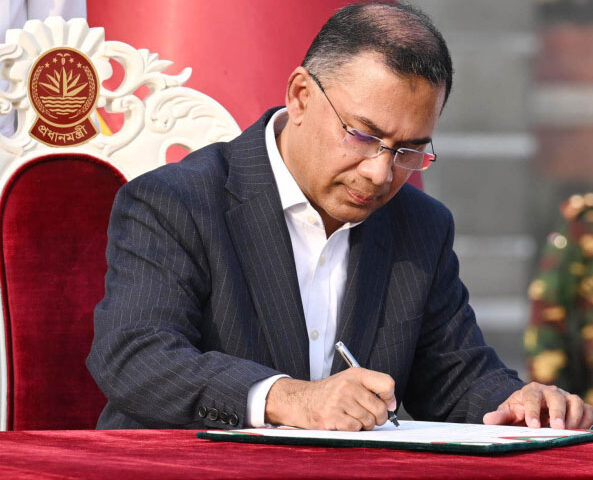
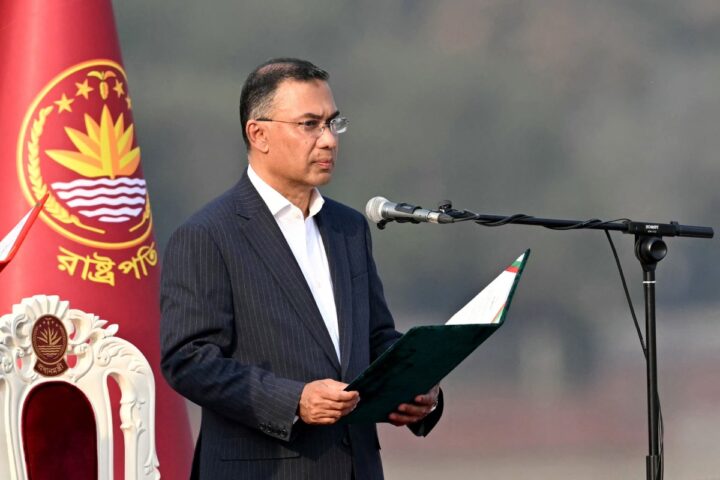
With her death, the baton officially passed to her son, Tarique Rahman, who had just returned from exile in London just days before her death. The reunion is short-lived, but in her absence, his responsibility for the party is destined to be long and heavy.
The Bangladesh Khaleda Zia left behind was very different from the Bangladesh she inherited in 1981. She was not a trained politician but a survivor who went beyond the domestic sphere to overthrow dictators and help build the backbone of parliamentary democracy. In a country often ruled by guns, she proves that the most powerful weapon may be the determination of a strong woman.