The Tamesis
If your beauty cabinet is already full of Korean skincare or you faithfully follow a 10-step K-beauty routine, it may or may not surprise you to learn that Japanese skincare has a similar methodology—just with its own distinct philosophy and hero ingredients. Think less trend, more tradition.
According to esthetician Emma Jinn, “Japanese skincare is all about prevention, consistency, and respecting your skin. No harsh steps, no rushing results, just solid basics done really, really well.” The goal is not instant transformation, but gradual, visible improvement over time.
Vogue’s Favorite Japanese Skincare Products
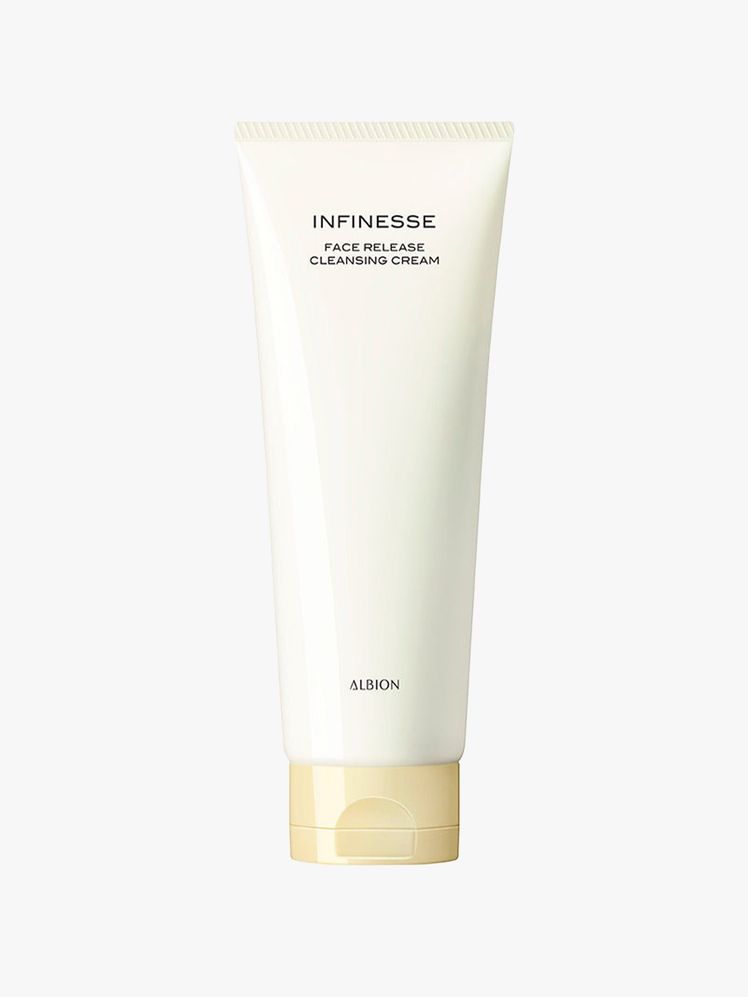
Albion Infinesse Face Release Cleansing Cream
Jump to review
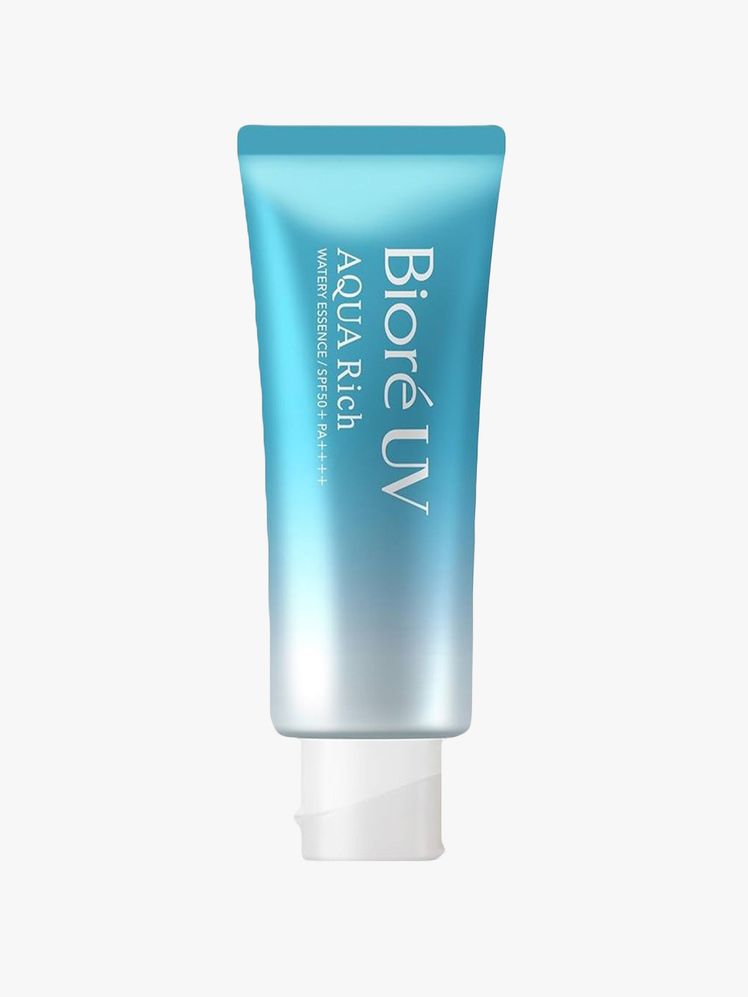
Biore UV Aqua Rich Watery Essence SPF50+ PA++++
Jump to review
The structure of the J-beauty routine will feel familiar, but there are a few key differences. Board-certified dermatologist Jane Yoo, MD explains that hydration in Japanese skincare is built in layers rather than relying on a single heavy product. “Lighter lotions and essences are applied first, followed by creams or emulsions,” she says, allowing the skin to stay deeply hydrated without feeling greasy or congested. Texture matters just as much as ingredients, with an emphasis on small, consistent steps that support skin health over the long term. The products themselves tend to be gentle, thoughtfully formulated, and often more affordable than you might expect, making them easy to incorporate without overhauling your entire routine.
Below, we break down the nine essential steps of a Japanese skin-care routine, according to experts. As always, consider this a framework rather than a rulebook. You can customize it based on your specific skin concerns, skin type, and whether you’re getting ready for the day or winding down at night. Scroll to discover skincare brands and products used by Tokyo beauty buffs to inspire your ritual.
In This Story
AM + PM Step 1: Oil Cleanser
Dr. Yoo explains that the first step in a Japanese beauty routine is oil cleansing. “Oil cleansing is foundational because it removes oil-based impurities like sunscreen, makeup, excess sebum, and pollution without disrupting the skin barrier,” she explains. Rather than stripping the skin, Japanese skincare emphasizes gentle yet thorough cleansing that helps preserve hydration. Many J-beauty cleansing oils also reflect centuries old beauty practices, often incorporating traditional Japanese botanical oils that support softness, balance, and overall skin comfort (all while being a superb makeup remover).
AM + PM Step 2: Water-Based Cleanser
After an oil cleanser lifts away sunscreen, makeup, and excess sebum, a water-based cleanser finishes the job by removing sweat, dirt, and environmental residue. Dr. Yoo explains that double cleansing is a skin-care cornerstone in Japan, because it cleans deeply without disrupting the skin barrier. “This method helps preserve moisture while allowing subsequent steps like toner and moisturizer to work more effectively,” she continues. Japanese water-based washes are typically creamy foam cleansers or gentle gels that feel soft on the skin and rinse clean without leaving it tight or dry.
Bi-Weekly AM Step 3: Exfoliation
While exfoliation is still part of Japanese skincare, it’s approached far more gently and infrequently than in many Western routines. Instead, active ingredients are selected sparingly and with intention. Jinn explains that “Japanese skincare tends to lean away from frequent use of AHAs and BHAs, and when they are used, it’s typically at much lower concentrations than Western brands.” Instead, she prefers exfoliants formulated with rice bran for brightening, which softly buffs away dead skin while leaving the skin exceptionally smooth and comfortable. As for frequency, she recommends exfoliating just two to three times per week to maintain non-irritated, healthy skin.
AM Step 4: Lotion
“In Japanese skincare, toner is referred to as lotion, and its primary role is hydration and skin conditioning, not exfoliation or stripping,” says Dr. Yoo. These formulas are designed to replenish the water lost during cleansing, restoring comfort and softness immediately after washing. “Many Japanese brands explicitly contrast lotions with Western toners that often contain high levels of alcohol and are used for oil control or extra cleansing.”
AM Step 5: Essence
“Essence is viewed as a lightweight treatment layer that delivers hydration and skin conditioning without overwhelming the skin. This step helps refine skin texture and clarity over time, which aligns with the Japanese focus on gradual improvement and long-term skin health,” explains Dr. Yoo. Designed for daily, consistent use, essence bridges the gap between hydration-focused steps like lotion to nourish your complexion and more targeted products such as serums or moisturizers.
AM + PM Step 6: Serum
Depending on your skin type and goals, face serums are used as targeted support products in a Japanese skin-care routine. “They are meant to address specific concerns such as dullness, dark spots, dehydration, or uneven texture while maintaining overall skin balance,” says Dr. Yoo. Rather than relying on long ingredient lists, many Japanese serums focus on a smaller number of carefully selected actives, often sourced from natural ingredients like rice, sea botanicals, or green tea. “This approach reflects a broader cultural value placed on balance, simplicity, and refinement,” she explains. Serums are typically lightweight, allowing them to layer comfortably between other Japanese beauty products, like essences and moisturizers.
AM + PM Step 7: Light Moisturizer
“Moisturizer is used to seal in hydration from earlier steps like lotion, essence, and serum, which are central to Japanese routines,” explains Dr. Yoo. Moisturizing, she adds, is essential for maintaining skin balance and a healthy barrier. “Many Japanese moisturizers are formulated to deeply hydrate without feeling greasy, making them comfortable for everyday use regardless of climate or skin type.” This emphasis on elegant, lightweight textures encourages consistent daily use, which is key for long-term hydration and barrier support.
AM + PM Step 8: Heavy Moisturizer
Because Japanese skincare prioritizes prevention as much as correction, moisturizers are used daily not only for dry skin, but also to protect against environmental stressors, dehydration, and early signs of aging, even for balanced or combination skin types. Dr. Yoo describes this as a “double moisturizing” approach, where hydrating steps like lotion and essence provide the first layer of moisture, followed by a cream or richer moisturizer to seal everything in and minimize moisture loss without heaviness or congestion.
AM Step 9: Sunscreen
The best form of anti-aging is staying loyal to your daily SPF application. UV exposure is viewed as a major contributor fine lines, pigmentation, and barrier damage, which is why sunscreen is used consistently year-round, explains Dr. Yoo. “Daily sun protection is treated as an essential preventive skin-care habit, not just something reserved for beach days or outdoor activities.” Japanese sunscreens are typically formulated to be lightweight, non-sticky, and comfortable enough for everyday wear. “They often offer broad-spectrum protection with both SPF and high PA ratings, making it easier for users to choose formulas that effectively defend against both UVB and UVA rays.”
Everything You Need To Know
What makes Japanese skincare so special?
Japanese skincare is deeply prevention-focused, according to Dr. Yoo. “The goal is to protect the skin early through daily habits like moisturizing and wearing sunscreen, rather than waiting to correct damage later. This mindset is why sun protection and barrier-care are so central to Japanese routines.” There is also a strong emphasis on maintaining a healthy skin barrier. Many Japanese formulas prioritize gentle cleansing, hydration, and barrier-supporting ingredients like ceramides to minimize irritation and prevent moisture loss over time.
When we test and review a product, we take a holistic approach to deliver well-rounded product recommendations. First, we lean on Vogue’s vast network of experts—from board-certified dermatologists to celebrity estheticians—to gain professional acumen on the industry’s standout products, ones these specialists would actually use on their clients. We pair their expertise with our editorial best practices to curate the thoughtful edits you read on our site.
As it relates to Japanese skincare, we selected the best based on the following characteristics: ingredients, texture, packaging, finish, and the skin-care concerns they address. To do this, we paired our own personal tests of each formula with expert guidance and reviewer insights to determine which we would recommend to you.