The Tamesis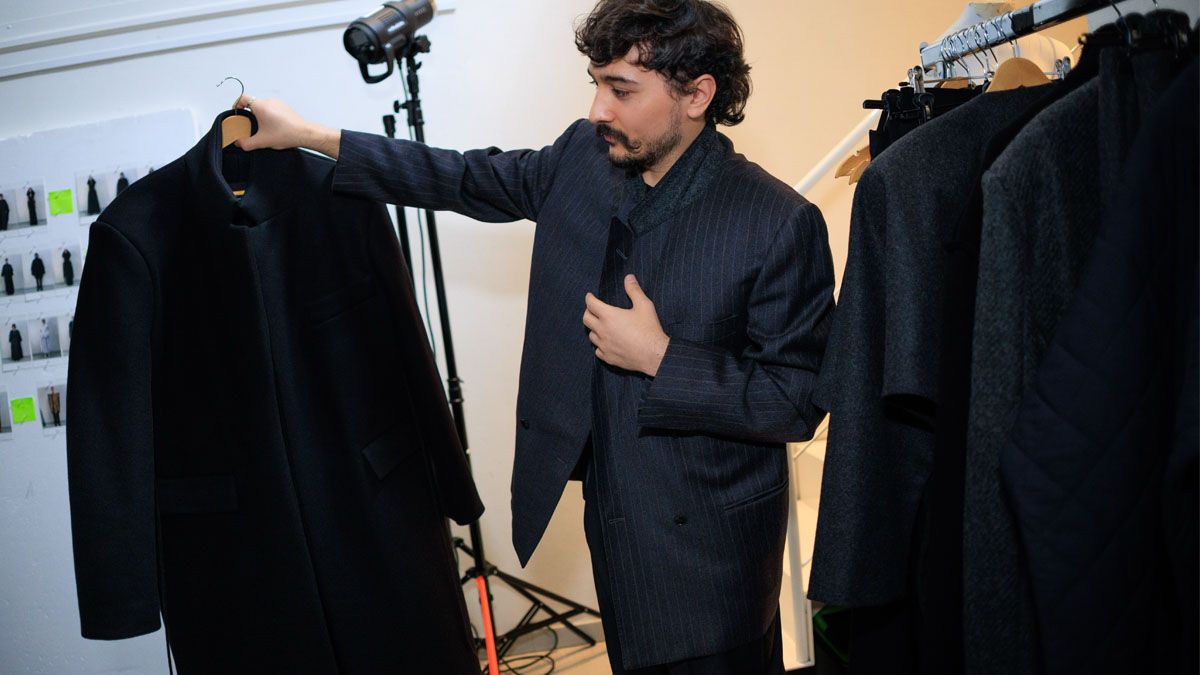
Georgian-Azerbaijani designer Galib Gassanoff is preparing to show his autumn/winter 2026 collection in Milan on Friday evening. But that wasn’t the only thing on his mind. Two weeks ago, his brand Institution by Galib Gassanoff was announced as a semi-finalist for the 2026 LVMH Prize. The next round of competition will be held during Paris Fashion Week on March 5.
The playing environment is nothing new to Gasanov. In January, he won the Zalando Visionary Award in Copenhagen, receiving a €50,000 prize, and held the SS27 spring/summer fashion show in the Danish capital, which was fully funded and went ahead as scheduled. While industry awards are known for providing emerging brands with a path to expansion, Gasanov’s mission isn’t to develop the next big luxury brand with hundreds of stores. Instead, he wanted to build a well-thought-out small business that would support the artisans and community in which he grew up.
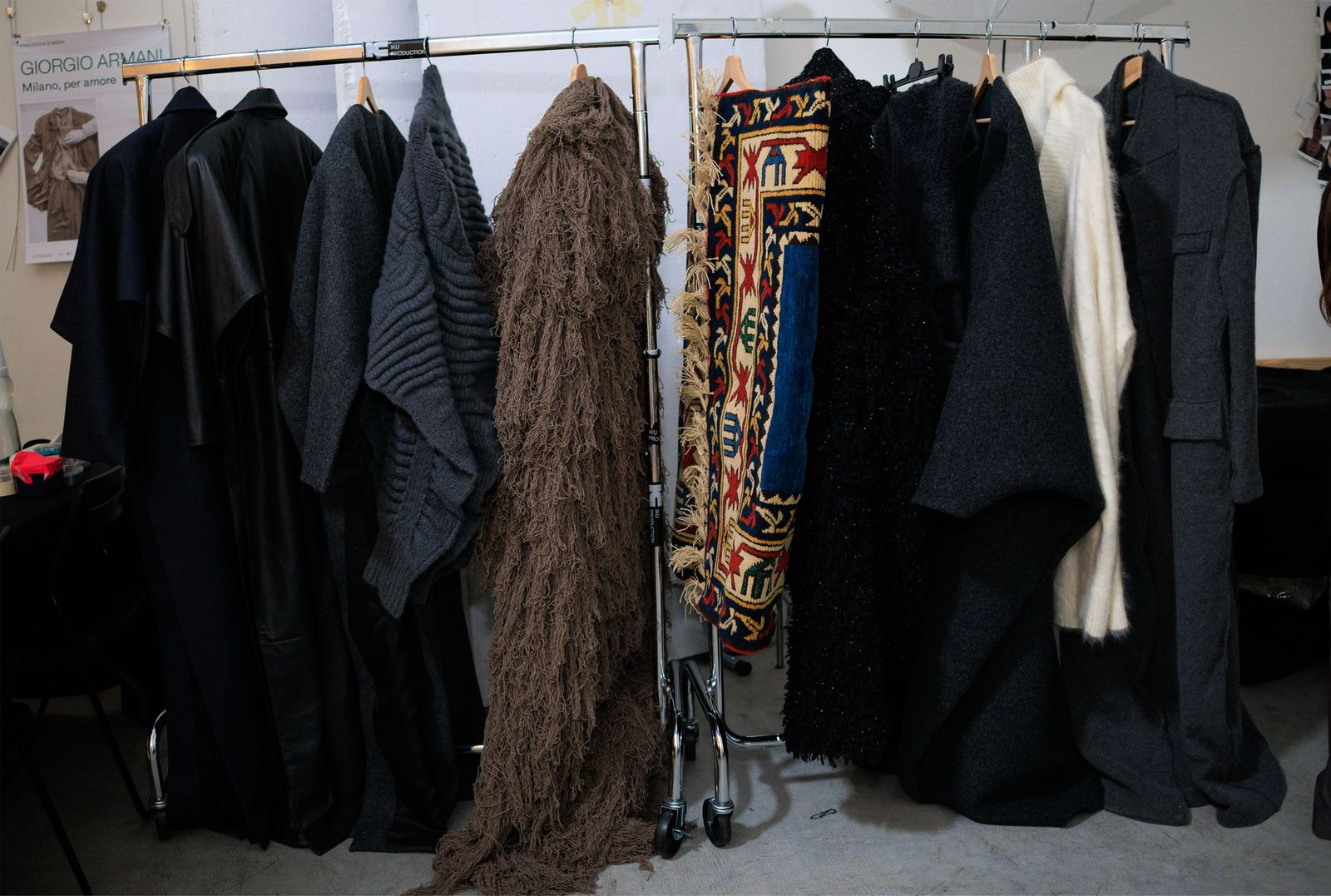
Ahead of this season’s Milan show, I met Gasanov in the makeshift studio space he rents to host castings and dates in lieu of his two-bedroom apartment, which doubles as the brand’s headquarters. Upon entering, I saw an abundance of shearlings, yak hairs, feather-light leathers and beautifully woven rugs from the Fall/Winter 2026 collection; when designers pulled out pieces, they were so large they sometimes required another pair of hands to reveal the cuts. These intricate garments are made by artisans in rural Georgia and Azerbaijan, and for each piece he tells me the history of the village or region where it was made and the artisans who made it. “It’s important that every series has a story and a history,” Gasanov said. “And I like to keep the hand-sewn element in all the collections, which isn’t great for profit margins.”
But he doesn’t care much about the numbers right now. The Galib Gassanoff-designed institution is currently “more of a project” than a business, the designer admits. Before launching each collection, Gasanov works with institutions such as the Ministry of Culture of Azerbaijan or the House of Culture in the Roman capital to ensure funding focuses on and provides financial support to the community of artisans who produce his pieces, from which his brand takes its name. In addition to this funding, the brand has several small stockists: concept stores Antonia (Milan), Escapist (Tbilisi, Georgia) and Rebelle (Osaka, Tokyo), which were added last year. The Zalando bonus helped Gasanov pay rent, retain a staff member and two interns, produce the next collection, and compensate the artisans who made it.