The Tamesis
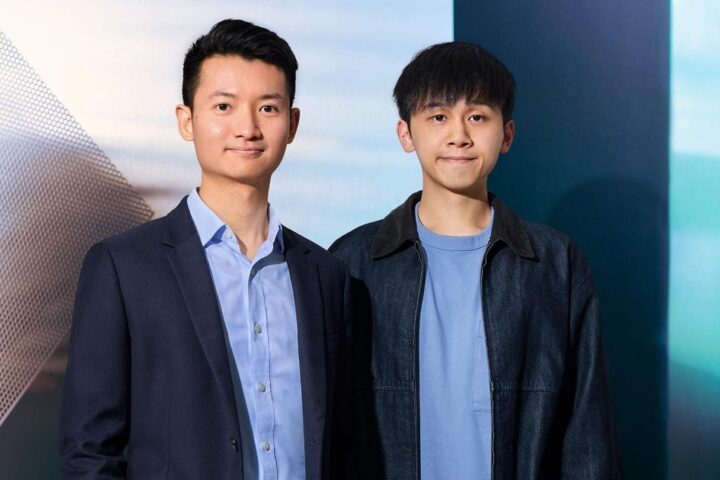
Freddy Coomes and Matt Empringham’s first two collections were launched under the Aletta banner, and the label for their latest collection, their third, has a new name: Letter. While the shift to homophones is a bureaucratic necessity, it still prompts people to take stock of their creative practices: processes, intentions, parameters.
In a stark white cube in a burgeoning gallery district in central London, they present a series of works that crystallize their latest idea – an exhibition of 15 white mannequin looks, each sporting a hastily cropped, rocking bob. Their first physical presentation—and their second collection as Newgen winners—invited detailed engagement with worthy garments.
The collection is an extension of the designer’s ongoing interest in the properties and potential of paper: here, crepe varieties are often used to create artificial flowers. The result has a strong, visceral appeal. For example, a vermilion spaghetti-strap top with a perforated polka dot pattern hangs loosely on a box-shaped pleated skirt with a polka dot pattern drawn in ink. This stark geometric contrast has a strong impact. Or a skirt, bluebell in color and form, with an artfully ruffled hem and ruffles running down the back, its implied fluidity negated by its rigid materiality.
The relationship between visual impact and material reality is both pleasing and confusing, and ultimately the sticking point. The pair have previously discussed the uncanny nature of their work, and the word “surreal” pops up in articles about it, but this frenzied atmosphere doesn’t fit with the superconscious intent on display here. Most works are the result of painstaking investigation into the physical properties and integrity of the chosen materials. The 20-inch-wide crepe paper rolls they used set a key parameter, directly influencing the structure of the evening gown, for example, which featured a geometric bodice and glossy black skirt on the upper half and a tiered peach-colored skirt on the lower half.
Even the pieces in woven fabrics followed a similar structural logic: a Marine Corps sweatshirt featured a blunt bateau collar; sheer gauze was embellished with origami bows that hung from mannequins like tissue-paper carapace; a dense satin dress was carefully cut and draped from single pieces of fabric, held together by a back zipper. Even on a tonal and textural level, the dry sheen of the silk echoes the dark pigments and mattes of the paper, resonating with a satisfying innocence.
The only garment that really breaks up the line’s paper doll dominance is a two-tone wool sweater—a rough, drab knit, some colored like a damp, cold field. They look like the kind of clothes your grandmother might have worn out of stubborn nostalgia rather than comfort, although a study of the delicately pleated surfaces suggests the composition is more refined than their original references.
The contrast between proletarian steadfastness and bright paper products – serious, elegant, refined craftsmanship – outlines a wry, uniquely British wit that inspired the creative instincts of Coombs and Emplingham. It also shows a keen appreciation for the culture’s inherent awkwardness, and a nuanced understanding of how to exploit it to bewilderingly chic effect. Perhaps most troubling, however, is the ambiguity of the workplace. Both refused to consider it a work of fine art, but the gallery setting of this presentation highlighted an uncanny, almost offensive sense of objectness to the clothes. This also raises the question whether their work is better suited as a presentation of ideas: as meta-fashion, a conversation about materials, craftsmanship and cultural context. About clothes clothes.
With their papery composition, you can’t help but wonder how these pieces will hold up when worn (an idea emphasized by the rain outside the demo), not to mention how flatteringly they’ll fit on bodies that don’t conform to mannequin proportions. Coombs and Emplingham will no doubt be asking similar questions when they take their collection to a Paris showroom next week. As A Letter is still in its relative infancy, there is no doubt that this experience will solidify and illuminate future directions. If things are confirmed, what happens next will be worth watching closely.