The Tamesis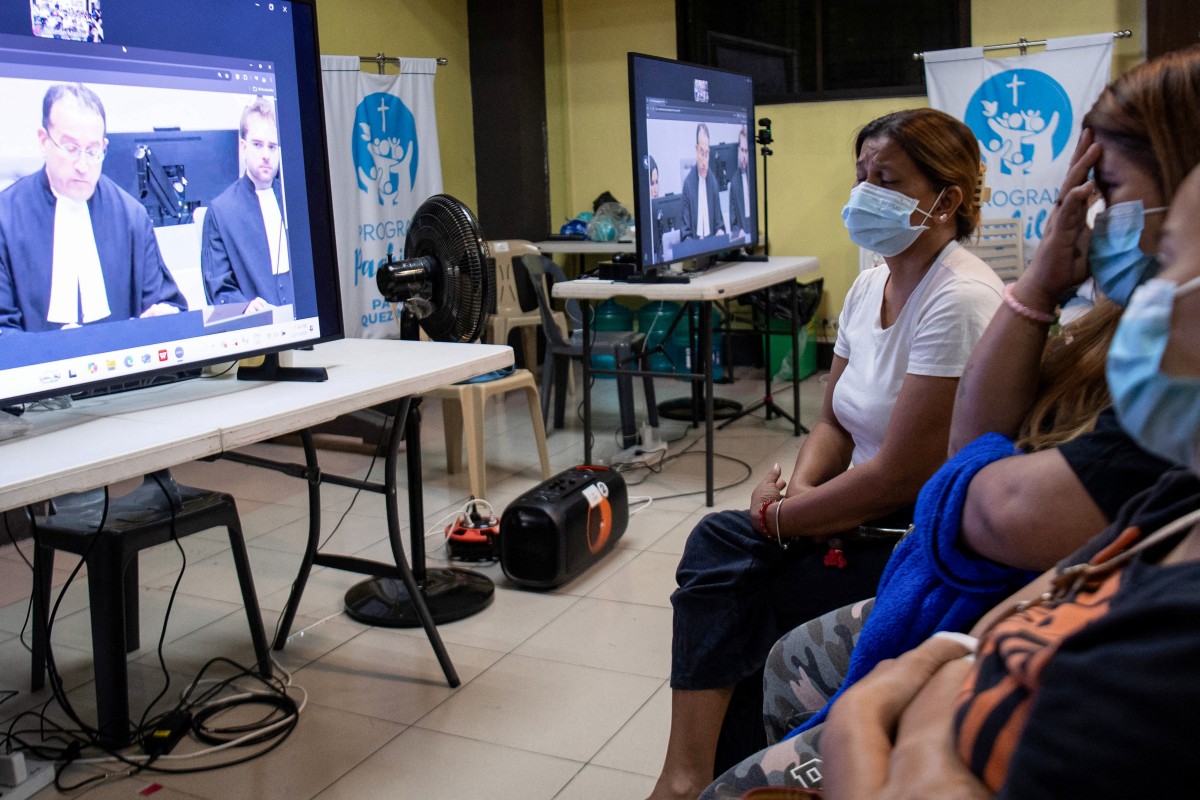
February 24, 2026
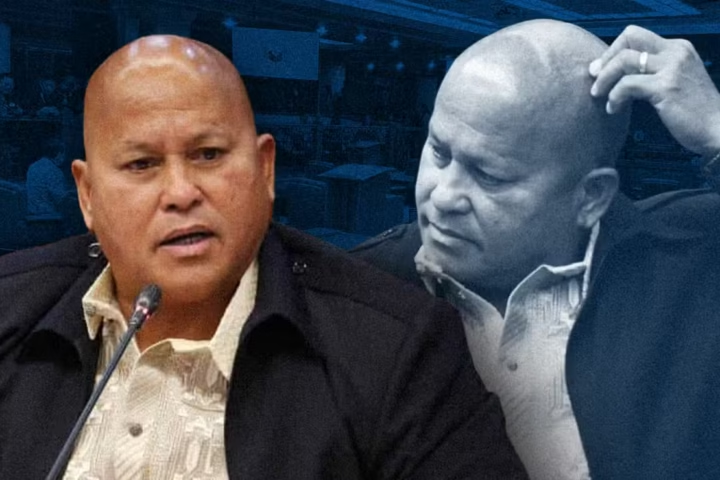
The Hague – Ten years after former President Rodrigo Duterte launched his scorched-earth drug war, the arc of history is finally turning toward justice. This week, something unprecedented happened in the global capital of international law: an Asian leader faces trial by the International Criminal Court (ICC) for crimes against humanity.
Despite hiring one of the highest-paid law firms with a top-notch public relations department, the Duterte team has repeatedly failed to stop the proceedings. After a year in detention, the former president must have realized that he no longer had to deal with the local courts that he had skillfully manipulated and intimidated for decades. I don’t know how Duterte can afford his extremely expensive ICC legal team after serving as a lifelong provincial governor, but he must have come to realize that ordinary antics have no impact on the real court. He must face reality.
I vividly remember the first wave of extrajudicial killings before Duterte seized Malacañang. Outgoing and seemingly disgraced former President Benigno Aquino III is packing his bags as the police force preempts the incoming commander-in-chief’s bloody campaign promise to rid the country of criminals and drug traffickers. The first reports and images I saw of the nascent drug war were on these solemn pages.
Despite Duterte’s assurances to the public that he would “transform” once he takes office, hours after delivering his first State of the Union address, he has cemented his most threatening instincts. Soon, the streets of Manila turned into killing fields. Critics of the war on drugs have been systematically targeted in the most vicious ways, with outspoken human rights advocates like former Sen. Leila de Lima becoming a touchstone of Duterte’s “reign of terror” strategy. When then-Supreme Court Chief Justice Maria Lourdes Sereno tried to save our constitutional democracy, she was summarily fired for the most questionable of reasons. Other opposition leaders were forced into exile or forced into de facto political silence. Our democratic checks and balances collapsed almost overnight.
The next thing I knew, even my hometown, Baguio City, was under Duterte’s murderous streak: a suspected drug dealer was gunned down on Session Road. Baguio is obviously far from perfect, but before that, I had not even heard of a single heinous crime in our community, nor had I encountered the proliferation of illegal drugs in the subway. As a human rights advocate and a proud Baguio boy, this is both infuriating and humiliating. After the cold-blooded murder of Kian de los Santos by Duterte’s followers, I found myself broken one night. I sobbed helplessly, looking at the rooftops, tears streaming down my cheeks, and yelling, “What can I do? Why are we so helpless?”
For all of us who care about human rights and believe in the inalienable rights of every Filipino regardless of class or creed, it means the world to see Duterte finally face some measure of justice. It’s refreshing to see families of victims given the opportunity to hold perpetrators accountable.
It has been one of the most excruciating journeys of uncertainty for those desperately seeking justice for the tens of thousands of Kian de los Santos who were massacred just so Duterte’s followers could meet their daily “quotas” in a phony drug war. This is precisely why I am deeply disappointed with the timing, if not the implicit policy advice, of some so-called progressive legislators who suddenly speak of the need for trials to be held in domestic courts rather than the International Criminal Court. “Ideally,” we should never have had someone like Duterte ascend to the presidency in the first place. Ideally, we should have a stronger opposition that can not only protect its brave members, like De Lima, but also mobilize nationwide resistance before our streets turn into killing fields. Ideally, we should fix our justice system so that we have zero action against any of the main architects of the mass killings under Duterte. Ideally, our leaders would be less focused on appealing to the worst instincts of their constituents and instead guiding the lost flock toward the Promised Land. Ideally, we should have a firm political conviction in the face of the deadly populism that brought us Duterte.