The Tamesis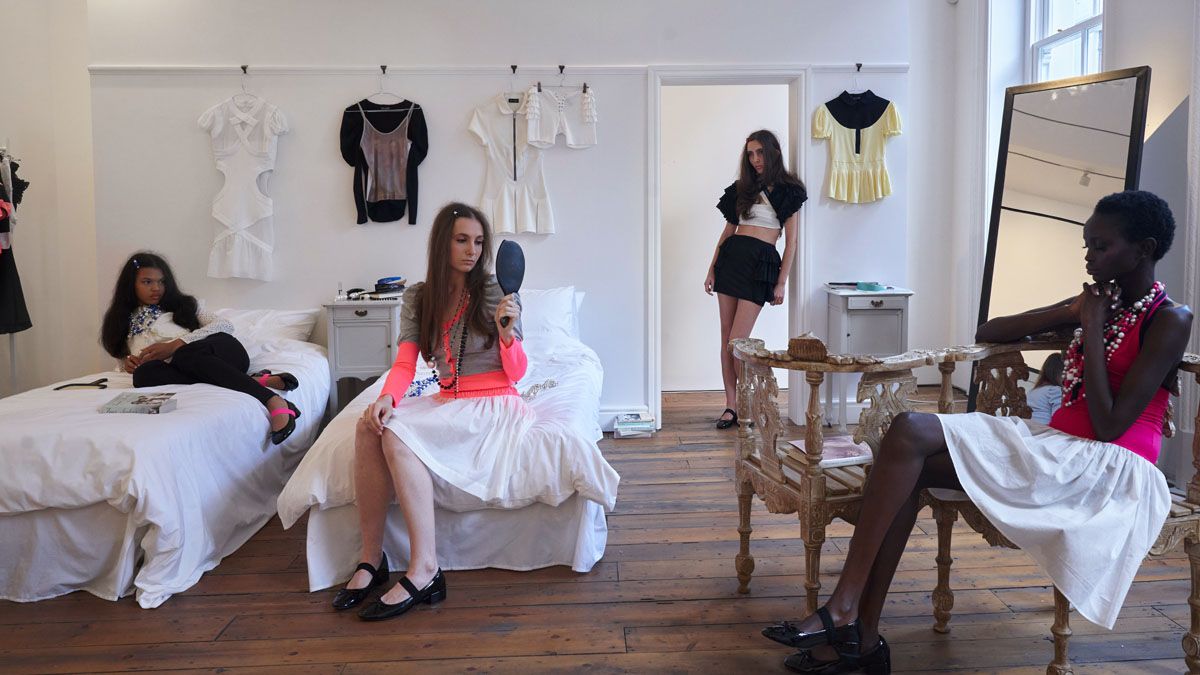
This decision shaped the trajectory of the brand. Rather than letting a single heroic offering dominate, Safdie expanded the narrative across the series, further incorporating tailoring and Old Hollywood references. Notably, she initially removed the Peachy shorts for the second collection before relaunching them in updated versions as part of a wider balancing act. The tension between maintaining recognizable characteristics and demonstrating evolution remains at the heart of her strategy.
“It’s been a journey of pushing myself to be creative—in pattern cutting, in the pieces I want to make,” she says. Today, the brand’s revenue base is more diversified. Headbands, bikinis, shorts and polo shirts form the backbone of the business and serve as entry points into the world of Safdie. “Polo shirts have been very successful,” Safdie noted, attributing their performance to their wearability and price positioning.
The result is a clearer product ladder. Entry-level pieces allow customers to “buy the brand now,” while more directional runway looks reinforce fantasy and media narratives. For Safdie, the challenge continues: to remain recognizable for the success of the Peachy shorts without being defined by them.
Turn community into business
Safdie’s most unique lever for growth is what she’s built around clothing. In an era when many young brands rely heavily on digital advertising and influencer nurturing, Safdie prioritizes real-life experiences. Physical gatherings allowed her to get closer to consumers, turning a passive online audience into an active network.
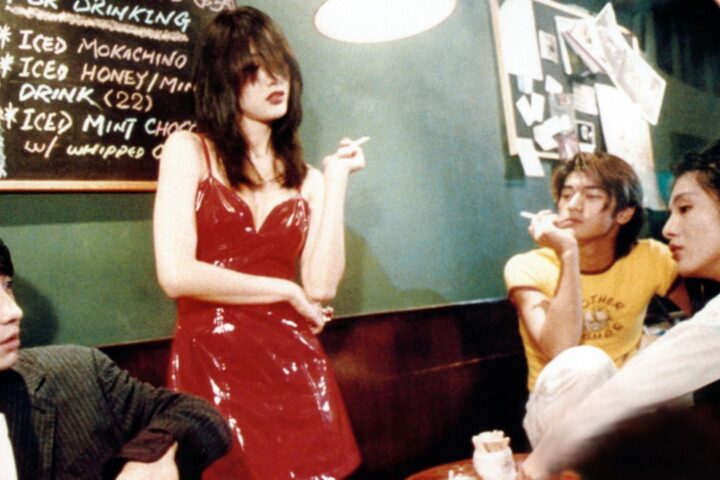
I first met the designer at a dinner party in 2024. She carefully selected a book for each guest – mine was virgin suicide — I later attended one of her screenings, and the audience themselves felt part of the scene. “When we do pop-ups or movie clubs, we see girls walking down the street and we think, ‘Well, they’re going to come to the pop-up.'” You know it right away. It’s not even a question mark,” she said.
The brand’s protagonists are drawn from Safdie herself and the women around her – a mixture of personal references and life experiences. “It’s intuitive. That’s why I don’t do menswear, because I don’t know where to start,” she said. An instinct-led approach makes business sense: it creates a customer who sees herself in the brand, and the brand in turn gets to know her intimately. Crucially, community building was never viewed as a strategy. “It’s not like, ‘Oh, I’m going to create a movie club for marketing.'” It’s more like, ‘I want to decide which movies to see on the big screen and invite all the girls who love this brand.’ ‘”
The next stage is the geographical stage. With about 65% of demand coming from the US, about 20% from Asia and the rest from Europe, Safdie is looking to export IRL models. “I really want to do pop-ups in the US and Asia. I also really want to travel. Most of the stuff I do is in London, so I’d love to do things around the world,” she said. She sees international expansion not as a single large-scale push but as cultural replication, recreating the intimacy of her East London screenings and studio parties in cities where her online audience is already concentrated.
Runway ambitions are equally measured. “I would love to do a fashion show at some point. I’m not saying it’s always going to be a show, but I feel like right now, at the stage my brand is at, it feels more interesting,” she said.
In a market saturated with brands chasing algorithmic growth, Safdie’s approach feels almost countercultural: Build worlds, gather people, and let the sales follow.