The Tamesis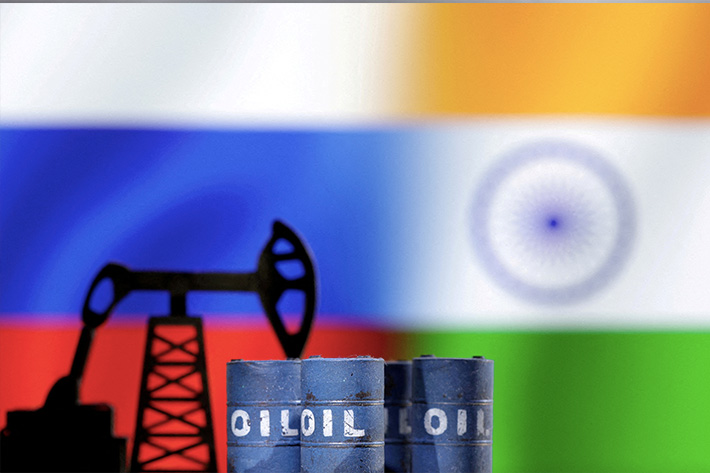
India cut Russian oil imports in January to the lowest level since the end of 2022 due to pressure from the U.S. tariff deal, Reuters reported, citing data from industry sources.
Supplies from the Middle East replaced them and rose to the highest share during the same period.
New Delhi has stepped up its purchases of Russian oil after the West imposed sanctions on Moscow over its invasion of Ukraine. It has since insisted that buying discounted Russian crude was for its energy security.
Also on AF: Altman admits ‘urgent’ need for AI regulation at India summit
But New Delhi has been under intense pressure from the West for months to cut purchases. Since August last year, India’s exports to the United States have been subject to an additional 25% tariff as a “punishment” for New Delhi’s purchase of Russian crude oil.
Earlier this month, U.S. President Donald Trump unexpectedly announced a temporary tariff deal with India that included the lifting of the penalty. Trump said India would no longer buy Russian oil as part of the deal.
Although India responded that its energy decisions were based solely on ensuring cost-effective supply, Moscow’s share of total oil imports fell to 21% in January, with Russian crude oil imports falling to about 1.1 million barrels per day that month.
This is the lowest amount of Russian oil that India has imported since November 2022, effectively cutting Moscow’s share to its smallest share since October 2022, Reuters said. After the Ukrainian invasion began, India’s oil imports from Russia reached as high as 2 million barrels per day in a few months.
China becomes largest buyer of Russian seaborne crude oil
Meanwhile, China has replaced India as the largest buyer of Russian seaborne crude since November.
Sumit Ritola, chief research analyst for refining and modeling at Kpler, told Reuters that import levels could fall further to an average of 1 million to 1.2 million barrels per day in February and about 800,000 barrels per day in March.
“February numbers are likely to be slightly lower due to timing, as some end-of-month cargoes will be offloaded next month,” he said, adding that Kopler expected Russian flows to India to taper off over the medium term rather than stop altogether.
Trump also said that his administration will pay close attention to India’s oil imports and will re-impose a 25% fine if India resumes Russian oil. Last week, Reuters reported that India’s three largest refineries rejected traders’ offers for Russian oil in March and April.
Middle East returns to top spot
Meanwhile, to make up for declining Russian oil production, Indian refineries tapped alternative-grade oil from Middle Eastern, South American and Western countries.
Middle Eastern oil accounted for about 55% of India’s total imports in January, while the share of Latin American grades rose to about 10%, a 12-month high.
“Data so far in February have shown Saudi Arabia regaining its position as India’s largest supplier, with imports hitting a record high,” Ritola told Reuters.
Data showed that Russian oil purchases fell in January, pushing OPEC’s share of India’s crude imports to an 11-month high.
Venezuela is in the mix
Some Indian refineries also buy oil from Venezuela. In his statement on the tariff deal, Trump said he wanted India to increase energy purchases from the United States and Venezuela.
India’s second-largest refiner, state-run Bharat Petroleum, made its first purchase of Venezuelan oil for delivery in April. Reuters reportsciting sources familiar with the industry.
Private refiner HPCL Mittal Energy also reportedly bought crude from the South American country for the first time in two years.
The two refineries have each purchased 1 million barrels of Venezuelan Merey crude grade, sources said.
Sources said the heavy crude oil purchased through two separate transactions is planned to be loaded together on a very large crude oil carrier to save transportation costs and will increase the amount of crude oil India imports from Venezuela to at least 6 million barrels by April.
Also read:
India rejects Russian oil for US deal as protests brew
Indian stocks, rupee soar on US trade deal, despite few details
India could face higher tariffs if Russia continues to buy oil
How India-US trade deal talks collapsed
India’s exports to the United States to grow by 22% in 2025
U.S. sanctions force Indian and Chinese refiners to cut Russian oil output
India’s Adani bans sanctioned oil tankers from docking at its ports
Canada Carney leads trade shift away from U.S. to China, India and Australia
Modi says huge EU-India trade deal is finalized
India to ‘cut’ EU car tariffs in ‘mother of all trade deals’
How Trump lost on India