The Tamesis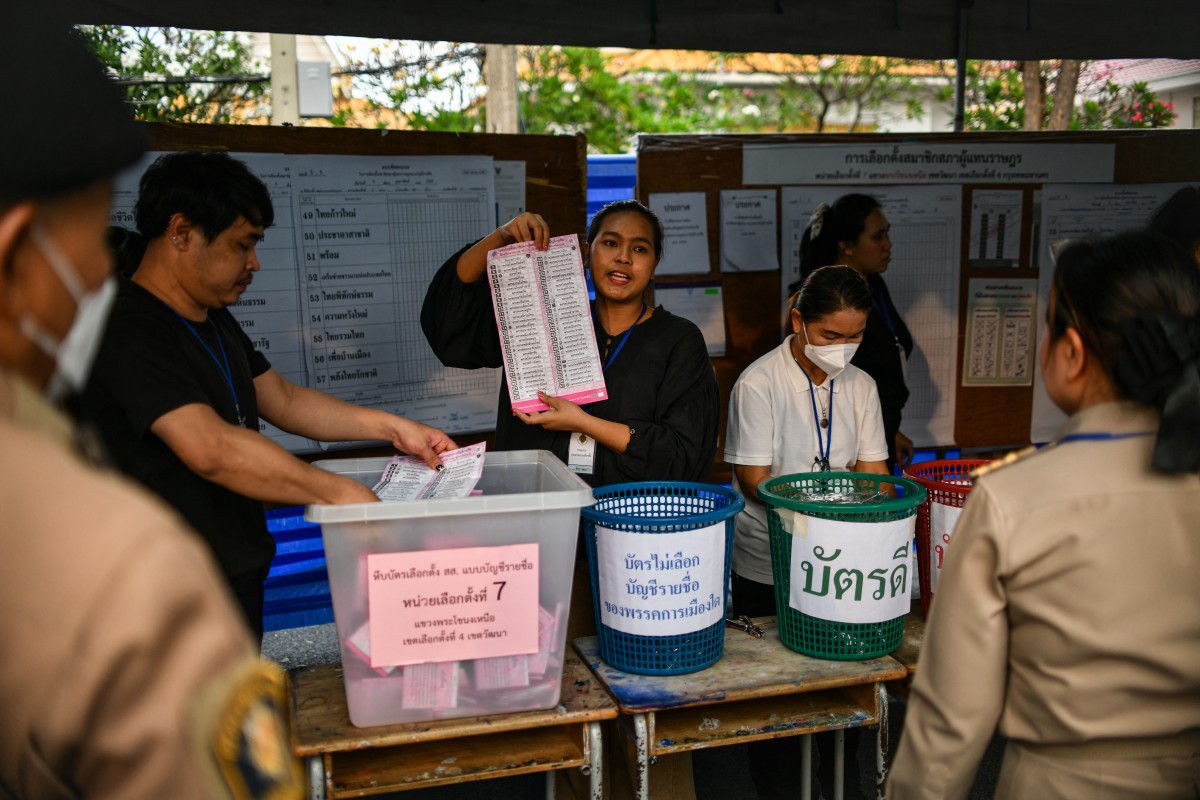
2. The principles of ballot and electoral security also stem from the Universal Declaration. It stipulates that elections must be “free and fair.” Therefore, laws are enacted to ensure the security of ballots and the fairness and integrity of the electoral process. This includes preventing vote fraud, the use of fake votes, cross-district voting and ensuring proper management and control of the distribution of votes.
The Ombudsman has written to the Electoral Commission requesting clarification within seven days from February 16, 2026. If the Electoral Commission fails to respond within the stipulated time, the Ombudsman will proceed with the case and decide whether to refer it to the Constitutional Court.
deputy prime minister Bowon Sak Uwano Make it clear that these issues can ultimately be decided by the Constitutional Court.
Furthermore, this expanding problem is being compared to two examples of invalid elections in the past two decades.
The first occurred during the 2006 political crisis, when the then People’s Alliance for Democracy (PAD) staged prolonged protests starting in late 2005, which resulted in the then Prime Minister Thaksin Shinawatra Parliament was dissolved on February 24, 2006, and new elections were called for April 2, 2006. However, the situation became more tense when the opposition announced a boycott of the election and would not field parliamentary candidates, forcing Thaksin to resign rather than dissolve parliament.
Subsequently, a petition was submitted to the Ombudsman Benjede Cincanettiprofessor of law at Hosei University, and General Sayyud KederpurChairman of the P-Net Democracy Foundation, petitions the Constitutional Court to rule on the legality of the elections of April 2, 2006. The petition raises four key questions:
- The election date was considered inappropriate and unfair as it was only 35 days before the dissolution of Parliament.
- The arrangement of polling stations, with voters facing the polling station to cast their votes but with their backs to election officials, has raised concerns about breaches of direct voting and secret ballot principles.
- The petition calls for an investigation into whether large political parties have hired candidates from smaller parties to run in elections.
- The electoral commission decided to certify the election results without a quorum, raising concerns about whether it violated the law.
This incident also triggered the so-called “judicial activism“. On May 8, 2006, the Constitutional Court ruled that the April 2, 2006 election was invalid on the grounds that the polling station was improperly arranged and the election date was unfair.
Another example occurred during the 2014 government elections. Yingluck Shinawatra. Following protests by the People’s Democratic Reform Committee (PDRC), Yingluck Shinawatra announced the dissolution of parliament as prime minister on December 9 to ease political pressure, while the PDRC launched a campaign to block polling stations.
The Ombudsman subsequently submitted a petition to the Constitutional Court, asking the Constitutional Court to rule on whether the election was unconstitutional under Article 245(1) due to the inability to complete national voting in one day. The Constitutional Court voted 6 to 3 that the election violated Article 108, paragraph 2, of the Constitution and declared the election invalid.
Twenty years later, examples of invalid elections in 2006 and 2014 are being compared to the current situation.
Amid the ongoing turmoil over government formation, the political landscape is changing as “political actors” push for relevant agencies to investigate. This raises a question: In the current political game, which one needs to be resolved first, is the formation of a government under the leadership of the Bhumjaithai Party or the decision whether the elections are invalid?