The Tamesis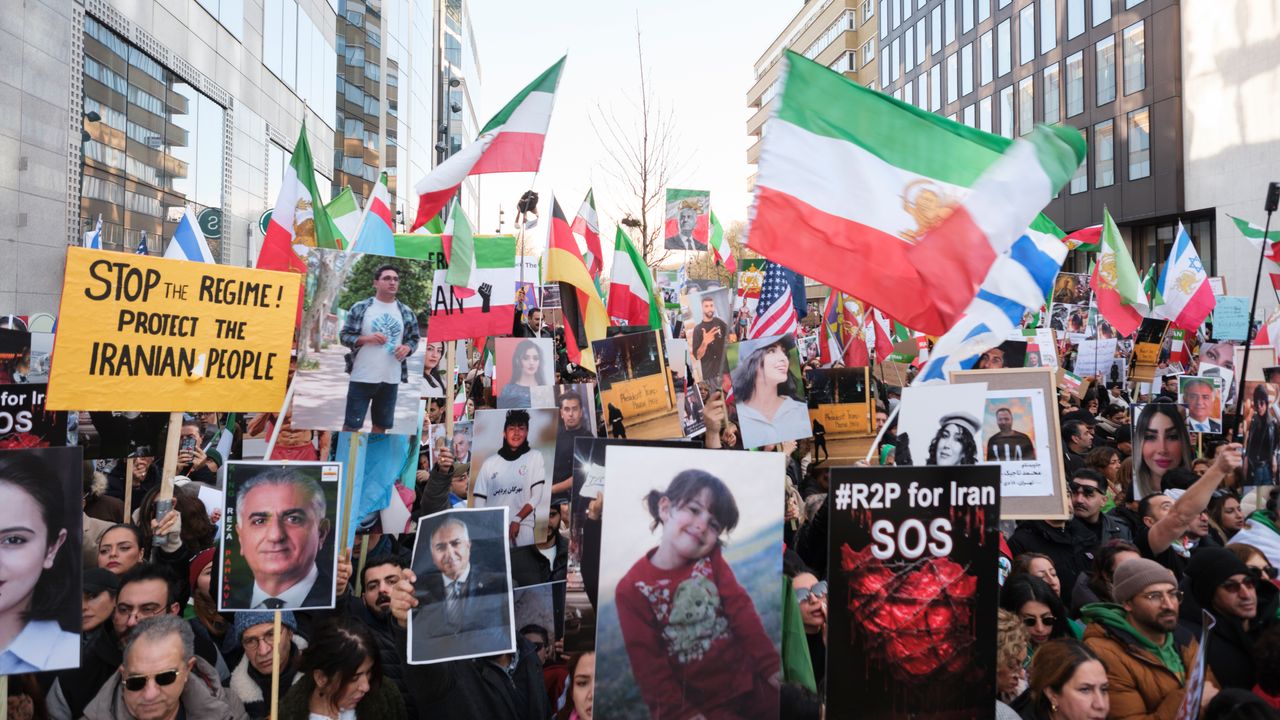
Demonstrations broke out in Iran on December 28, 2025, the Iranian currency collapsed, and the country’s regime responded fatally. Protesters were brutally massacred on January 8 and 9, killing more than 6,000 people, according to the human rights activist news agency (Hrana), but some estimates suggest the death toll is much higher. A weeks-long internet shutdown means receiving news from Iran is extremely difficult and severe restrictions remain in place.
For Iranians abroad, this means an agonizing wait for news about their families, with many feeling helpless in the face of such unimaginable brutality. As the situation in Iran remains dire and several opposition politicians have been arrested this week, Fashion Talk to three Iranian designers to find out why their home country needs our support now.
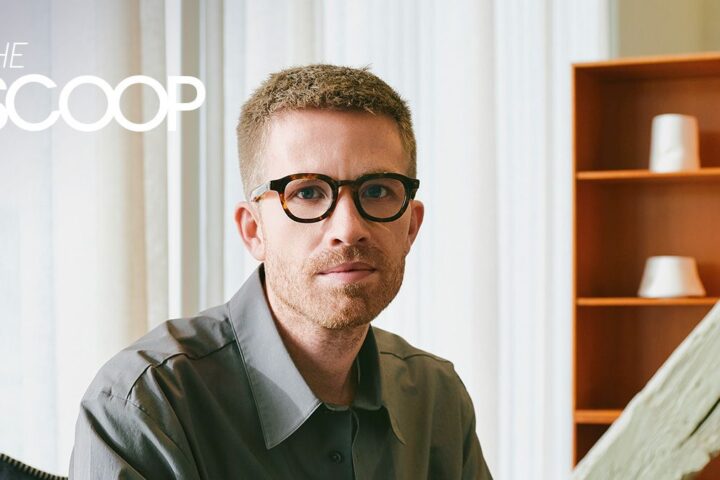
Naza Yousefi, founder of Yousefi
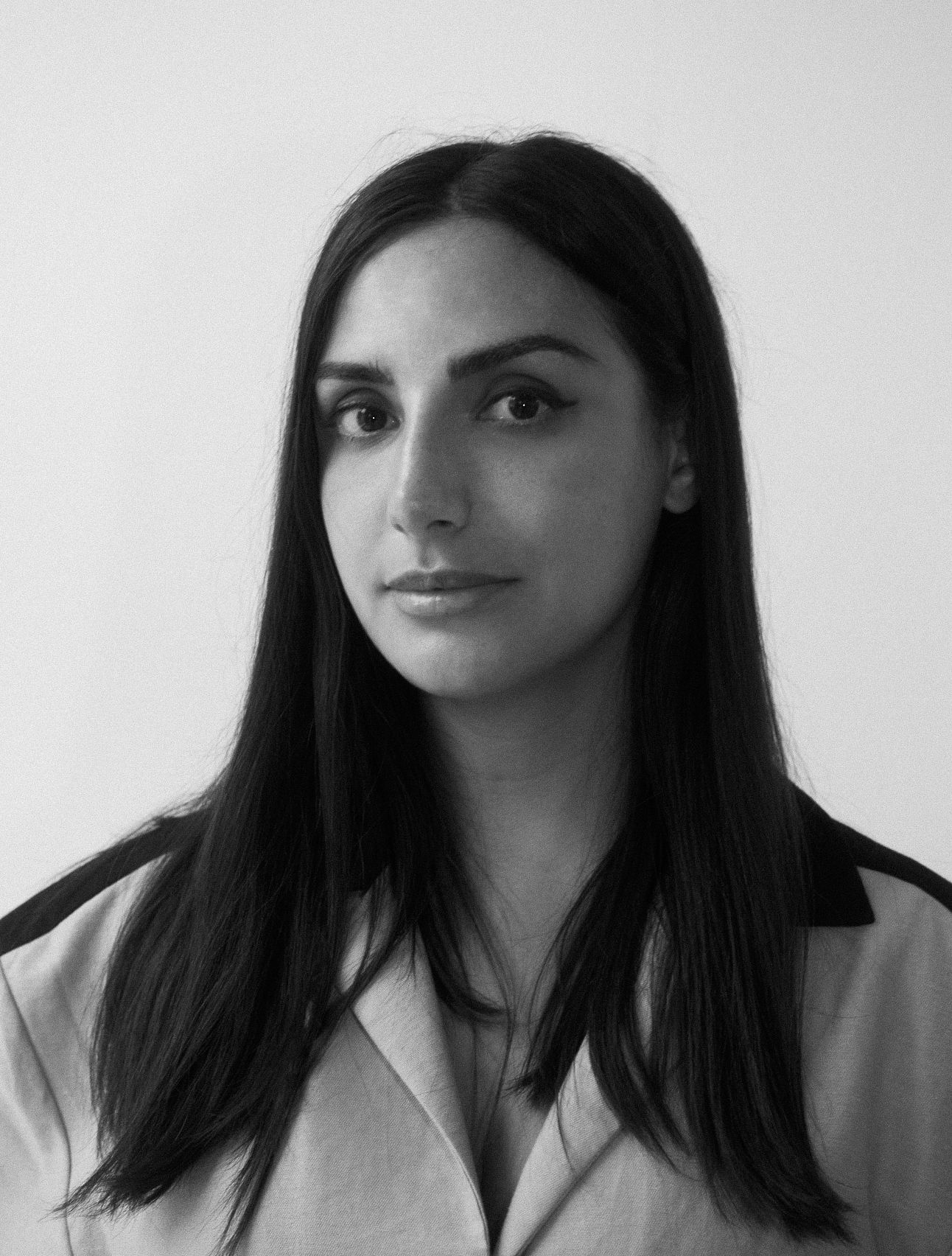
Photo: Courtesy of Youzefi
“This is a very traumatic and disturbing time. Watching events unfold in a place that is so emotionally close to you but so physically far away can create a constant sense of helplessness. Having experienced war as a child, I am particularly sensitive to the impact that long-term fear and instability can have on people The hardest part is seeing ordinary lives, families, young people, civilians slowly reduced to headlines or abstractions, rather than being recognized as individuals living under tremendous and constant pressure. The distance also makes you realize how quickly complex realities can be simplified, which is almost as painful as the events themselves.
Information is fragmented through families, messages and what people are able to share online. I’ve stayed in touch with my family, which I’m grateful for, but there’s always an underlying uncertainty that can never be completely eliminated. It becomes abundantly clear how exhausting life can be without a basic sense of security or freedom, and how much emotional energy is invested in just getting through mundane days. There’s often a gap between what’s said about life inside Iran and what’s actually happening, which is why it’s particularly important for me to listen to the people there.
My hope is for an end to violence and dehumanization, and for Iranians to have dignity, safety, and a sense of agency over their lives. I also hope that conversations outside of Iran will move away from divisions and moral binaries and instead reflect the reality that most people want the same basic things: peace, security, and a future for their children. Holding on to this common humanity is vital to me, especially when it becomes most easily overlooked. “
Paria Farzaneh, founder of Paria/FARZANEH
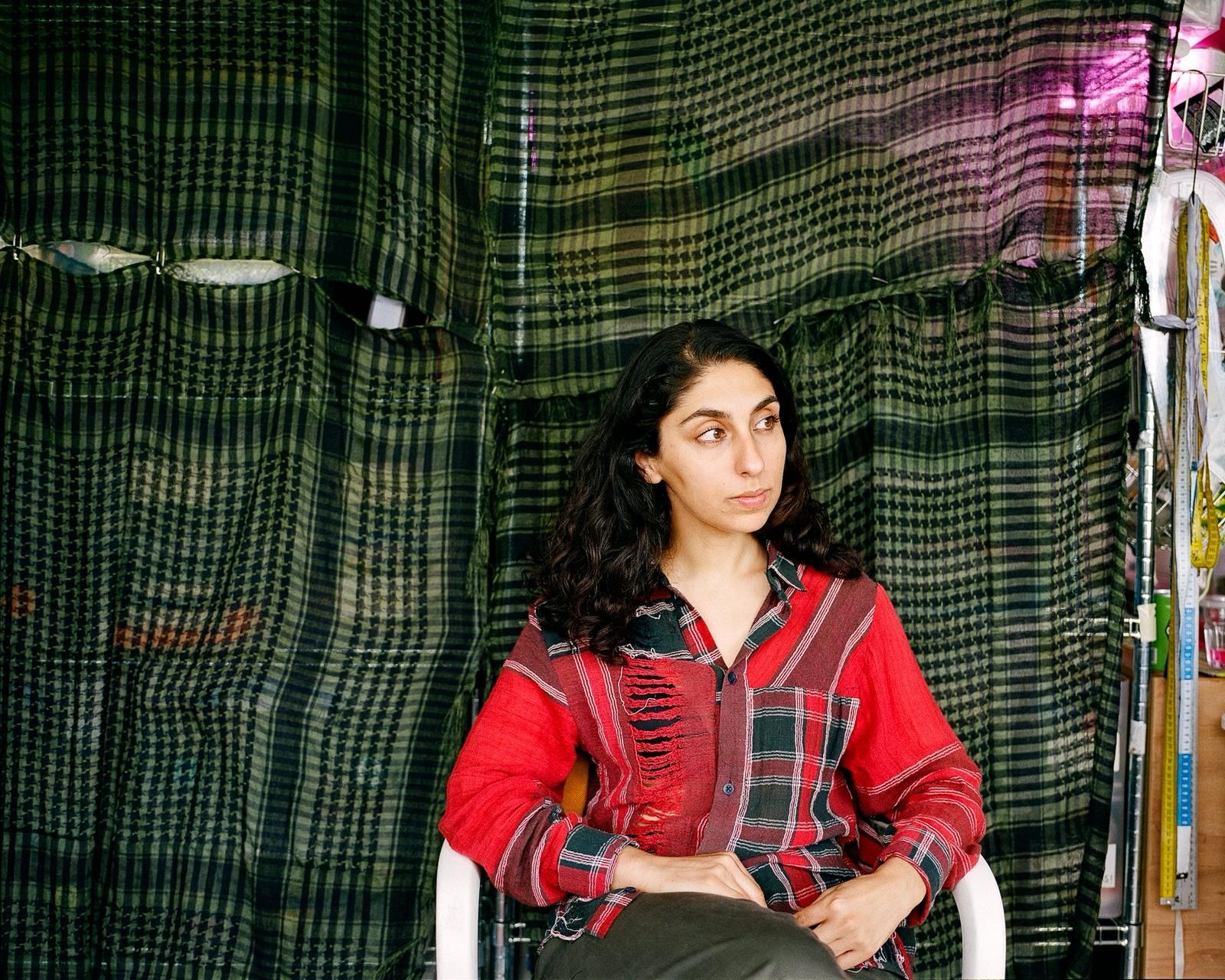
Photo: Jackson Hale, courtesy of Paria Farzaneh