The Tamesis
February 13, 2026
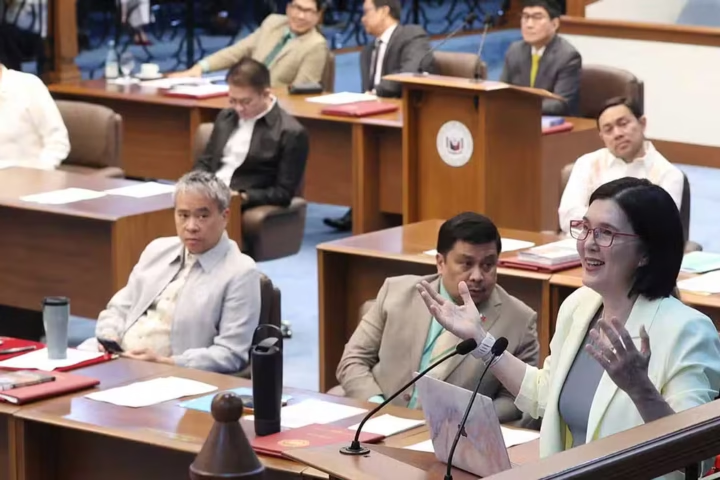
Manila – I was reading an interesting analysis online at the East Asia Forum by eminent scholar Mark Thompson, “Marcos Jr.’s grip on Philippine presidency loosens” when news broke that Senator Vicente Sotto III’s Senate presidency had survived a plot by Senator Loren Legarda to replace him. As one of two outsiders (i.e., non-senators) called in to help save his Senate presidency, reportedly including President Marcos, it got me thinking about Thompson’s reading of the situation and his assumptions about the political circus.
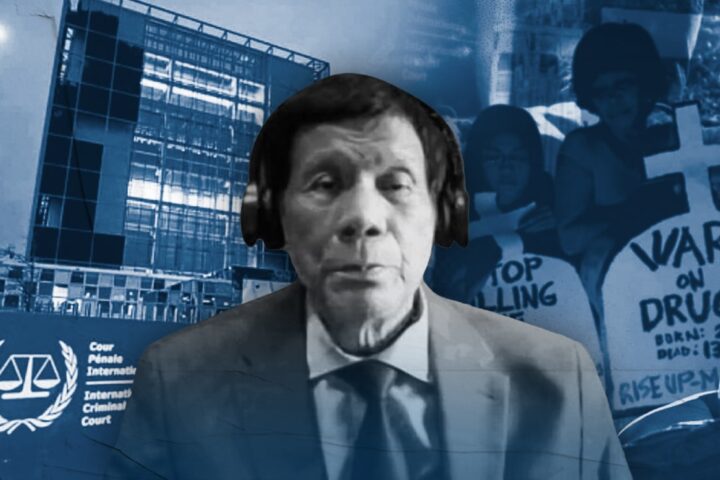
Thompson’s hypotheses include, first, that his “biggest political misjudgment” was to refer his predecessor to the ICC; second, that Vice President Sara Duterte was “in deadlock with the pro-government bloc” in the Senate midterm elections; and third, that the anti-dynasty bill and the appointment of Jesus Crispin Remulla as Ombudsman “will only further entrench the country’s powerful dynasty” and make “any containment of the Duterte family…against Marcos unlikely.” All in all, Thompson argued, “Marcos’s promises to preserve civil liberties and improve government accountability appear to have limited voice over a resurgent illiberal populism fueled by discontent and the temptation of punitive leadership.”
Putting the above assumptions aside: First, turning over the former president would be less a miscalculation than a huge gamble, especially since the president didn’t exactly seek to do so. Secondly, the Vice President was able to fight the government in the mid-term elections, which would have been a KO, but it was not the case because the other half of the remaining Senate was the majority government, and because the opposition led by the Vice President had too narrow a seat to put together a formidable list in the first place, this is still a flaw. Third, while the anti-dynasty bill sponsored by Marcos (Ilocos Norte Rep. Sandro) is laughable from a serious standpoint, if surveys are to be believed, it is likely serious enough for most voters who happen to think the problem lies with dynasties outside their own districts.
Relatedly, even semi-active ombudsmen can cause a lot of grief compared to the “all-seeing, not-hearing” ombudsmen of the Duterte era. In any case, under the vice president, the shock and awe of the Duterte phenomenon has retreated to regional jurisdictions in Mindanao and ethnic enclaves in Cebuano, while also retreating from the very place that made its surprise victory possible in 2016: control of Luzon, where the fabled Lingayen-Lucena corridor alone equals the votes of the Visayas and Mindanao combined.
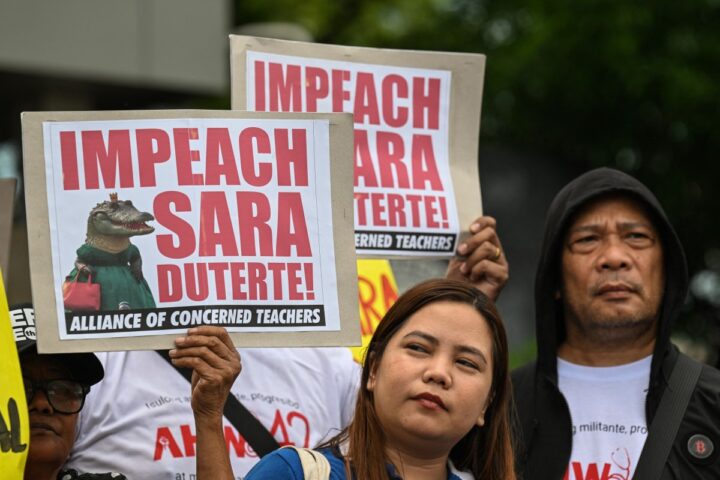
Faced with a raw deal — and ultimately in the dock — senators attempted a coup to save themselves and benefit potential coalition partners with other benefits pending, such as sending a carriage to protect the vice president as she faced a second impeachment. Their failure — especially since some senators may be wary that protecting some of their own from jail could have significant consequences for their political futures — suggests that things are getting pretty nerve-wracking for Duterte and his friends.
Even as affection for the former president may fuel opposition to the old man’s eventual stay in The Hague, the Duterte family is reminded of a reality they cannot change. Their popularity can be exploited in the polls (but with fewer votes), but never in the streets, where political popularity manifests itself between elections and surveys. A Supreme Court sympathetic to the Vice President’s plight might save the Vice President because too many non-lawyers, and worse still, politicians, seem to harbor a blasphemous idea that judges are not only responsible but impeachable mortals. But the bailout has angered not only politicians but also lawyers and civil society, and impeachment remains a possibility.
So how could the president’s grip possibly loosen? The hierarchy will not take back its mandate; the military remains in the barracks, resented by the Duterte group’s fondness for China; his control of both houses of Congress continues; the economy is weak, but no sector seems interested in bringing it to a standstill due to regime change.
The president has five months left for the ombudsman to bring charges that could restore his approval ratings: something he can brag about during his State of the Union address in July. He’s still a year away from his swan song in 2027, “Sona,” when he expects to find someone, anyone, to name and fight against — well, that’s also the timeframe in which impeachment will play itself out. If not, he has two years to declare a constitutional convention and hold a referendum to elect a new government in 2028. His successor could be elected to purely ceremonial offices.