The Tamesis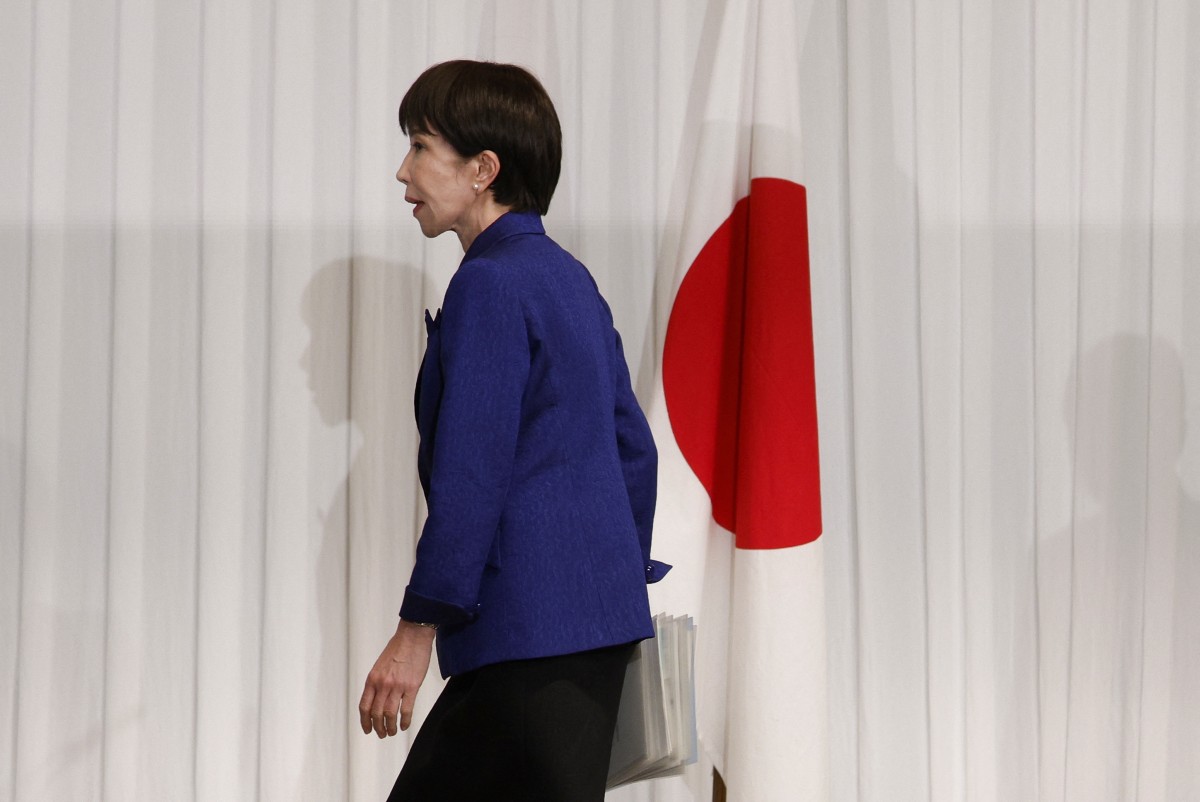
February 12, 2026
Seoul – Japanese voters did something they rarely do. They gave nearly unlimited power to a leader not out of nostalgia for stability but out of impatience with drifting.
As a result, Japan appears more decisive and predictable, but also more diplomatically challenging to its neighbors, including South Korea.
On Sunday, Prime Minister Takaichi Sanae led the Liberal Democratic Party to a decisive victory with 316 seats in the 465-member House of Representatives. No political party in postwar Japan has been able to cross the threshold of a two-thirds absolute majority on its own. A snap election was held just 110 days after she took office, turning a fragile minority government into a powerful one.
The result restored the LDP to a level of control not seen since the 1980s. Together with its coalition partners, the ruling bloc now holds nearly three-quarters of the seats in the House of Representatives and is strong enough to overcome resistance from the Senate, where it is in the minority, and dominate the legislative agenda.
This mission is based on a careful combination of assurance and rupture. The high market proposed disorderly changes. As Japan’s first female prime minister, she stands in stark contrast to familiar faces in the opposition. Her promise of a “strong Japan” resonated with voters uneasy about a stagnant economy and an unforgiving security environment.
Economics did most of the electoral work. “Economics” departs from the austerity instincts that have long constrained Japanese policy. The high market emphasized aggressive fiscal spending, industrial investment and temporary food consumption tax cuts.
During the campaign, she talked more about growth than constitutional change.
The market reacted quickly. Stocks rose after the vote, while the yen weakened, reflecting expectations of loose fiscal policy and continued resistance to rising interest rates. Investors and voters alike heard a clear directional signal.
There was little resistance from the opposition. The hastily assembled centrist coalition failed to present a coherent alternative or a convincing leadership team.
However, economic pragmatism is only half the story. Takaichi is also Japan’s most confident security leader in years. Her party now has the numbers to push for changes that once seemed politically out of reach.
Formal amendments to Article 9 would still require a two-thirds majority in the House of Lords and a referendum, which could delay constitutional changes until after the 2028 Lords elections.
Even so, policies that achieve many of the revised goals can still move forward. Defense spending is expected to exceed 2% of GDP. Restrictions on arms exports may be eased, along with plans to create a national intelligence agency and revise core security documents.
This agenda is closely aligned with Washington’s expectations. U.S. President Donald Trump publicly welcomed Takaichi’s victory, praising her commitment to “peace through strength.” For the United States, a more capable Japan reduces the burden of regional deterrence.
For Beijing, Japan’s strength means friction. China restricted exports of rare earths after Gao’s Taiwan comments, a sign that security disputes can quickly spread into the economy.
For South Korea, the impact is mixed. A strong Japanese government provides predictability and the ability to honor agreements. President Lee Jae-myung was quick to congratulate Takaichi and reiterated “shuttle diplomacy” building on the Nara summit in January and supply chain and artificial intelligence cooperation plans.
At the same time, Japan’s shift to the right has exacerbated old sensitivities. Issues such as visits to the Yasukuni Shrine or the annual Takeshima Day event could quickly cool relations if not handled carefully.
The task facing South Korea is challenging, but not insurmountable. As Japan’s high market era becomes a structural reality, the Lee Myung-bak administration must deepen economic and security cooperation with aligned interests while maintaining strict historical boundaries and territorial integrity.
Seoul’s strategic flexibility, not sentiment, will help determine whether Tokyo’s consolidation of power will stabilize the region or exacerbate existing frictions.